
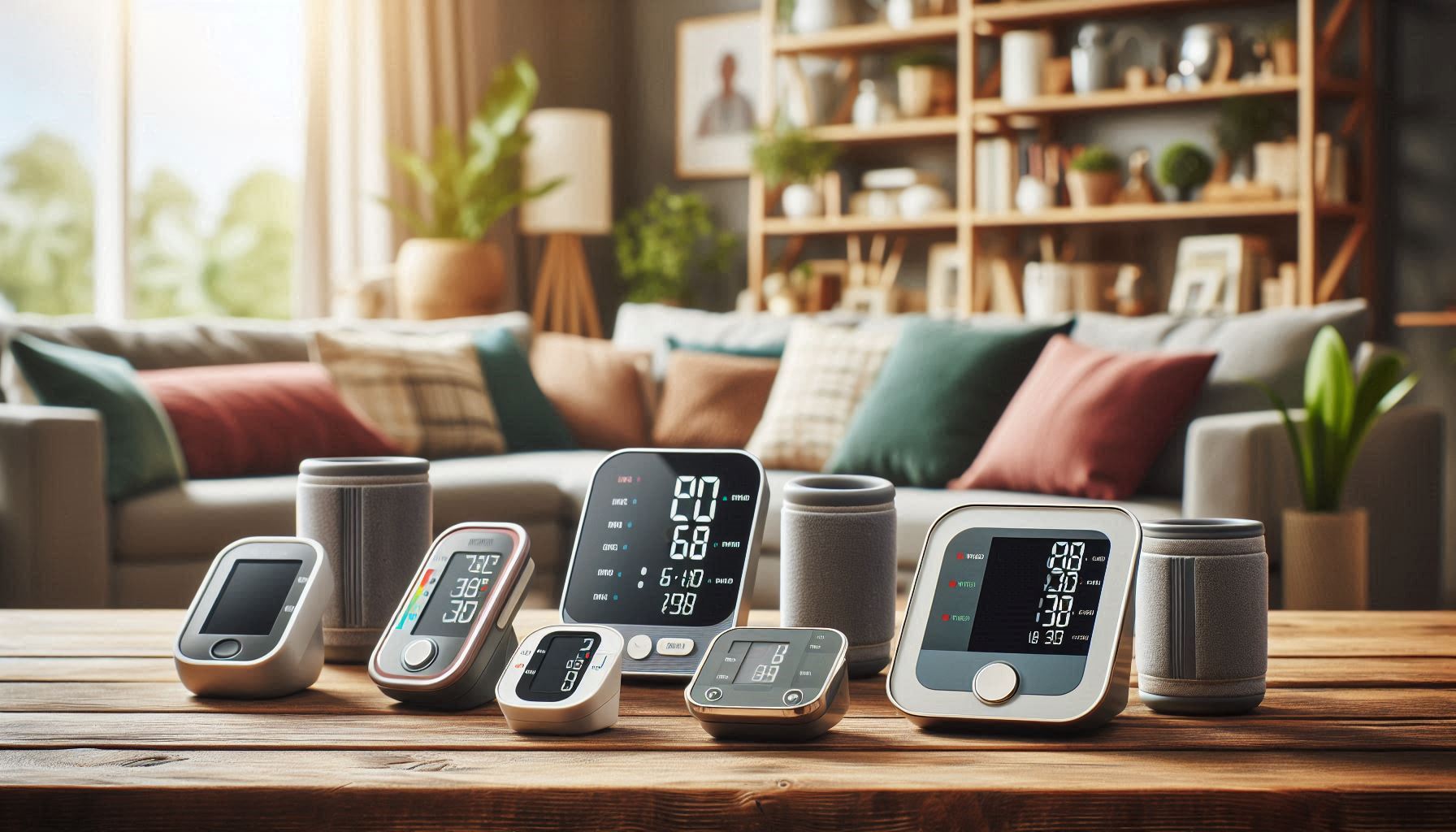
Home blood pressure monitors are super handy for keeping track of your health between doctor visits. So, in this article, we shall be looking at the Top 5 Tips For Using Home Blood Pressure Monitors. Taking regular readings with your monitor at home can help spot patterns, track how treatments are working, and even give some peace of mind if you’re managing high blood pressure. With so many different models out there, some with fancy screens, others with smartphone connectivity, and some that are just straight simple, it can get confusing if you’re not sure what you need.
I’ve been in this position as someone who needs to check my blood pressure at home, so I understand how it feels to figure all this out. Luckily, getting the most from your home blood pressure monitor is pretty attainable with some helpful tips and tricks. Whether you’re just starting or need a short refresher, these top five tips will help you get reliable results and feel more confident tracking your numbers at home.
Why Use a Home Blood Pressure Monitor?
Being able to check blood pressure at home isn’t just about convenience. Sometimes readings at the doctor’s office are higher due to nerves, called “white coat syndrome.” Plus, blood pressure can change throughout the day based on factors like stress, meals, or caffeine. Having a monitor at home gives a much more complete picture and lets you give more precise info to your healthcare provider.
Many people with hypertension (high blood pressure), heart disease, or kidney problems use these devices regularly to keep track of their health. Also, doctors often use home readings to guide treatment choices or check if medication is working. So, getting comfortable with your device and using it right is worthwhile.
Top 5 Tips For Using Home Blood Pressure Monitors
1: Pick the Right Type of Blood Pressure Monitor
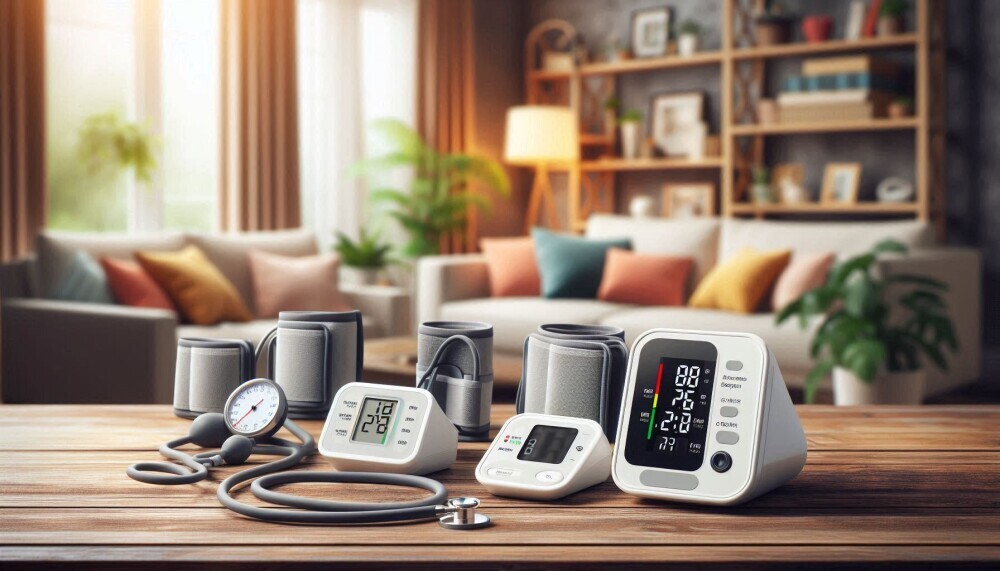
Not all home blood pressure monitors are the same, so finding one that suits your needs is important. The most common types you’ll spot are:
- Upper Arm Monitors: These are the classic type, with a cuff around your upper arm. They usually provide the best accuracy, and the American Heart Association recommends them.
- Wrist Monitors: These are more compact and sometimes more comfortable, but accuracy can drop if you don’t keep your wrist at heart level.
- Finger Monitors: These are less common, and doctors generally don’t suggest them since accuracy can be unpredictable.
If your arm size is outside the average, look for models with adjustable cuffs or check the listed cuff sizes. Some monitors store plenty of readings, connect to apps, or allow multiple user profiles, which comes in handy if a few people are using the device at home.
Checking if the model you’re considering is double-checked or recommended by a trustworthy medical group is also smart. Organizations like the American Medical Association or British Hypertension Society keep lists of double checked monitors to check before you buy.
2: Get the Cuff Placement and Size Right
A blood pressure reading will only be accurate if the cuff fits well and is in the correct spot. A cuff that’s too small or too large can give numbers that are far from accurate. Most adults need a standard size, but if your arms are larger or smaller, take a quick measurement and pick the right size.
To position the cuff, slide it over your bare upper arm about an inch above your elbow crease. The tubing should run down the centre of your arm. Make sure the cuff is snug but not cutting off circulation; you should be able to slide a finger underneath comfortably. Some cuffs have guides that show where to place them for the best results.
Wrist monitors require that you keep your wrist at heart level while measuring, and you should follow the instructions closely. Many people get off readings from wrist models simply because the wrist wasn’t kept level with the heart.
3: Be Consistent About Timing and Conditions
Blood pressure fluctuates all the time, so consistency really helps. Aim to take your readings at the same times daily. Morning and evening are often best. Don’t measure right after exercise, a big meal, or during stressed moments, as these can skew your typical reading.
To get the most accurate results, always:
- Sit quietly for at least 5 minutes before you take a reading.
- Avoid caffeine or tobacco for half an hour before measuring, since these can bump your numbers up.
- Don’t forget to empty your bladder. Needing to go can raise your blood pressure slightly.
- Sit upright, feet on the floor, and support your arm at heart level.
If you want to look back and compare readings, jot them down the same way each time. Lots of monitors do this for you automatically, which saves time and keeps things organized.
4: Record and Understand Your Readings
Logging your readings can help you and your healthcare provider see trends in your blood pressure over days or weeks. Some monitors keep track for you, while others sync with apps or online tools. A simple notebook still works, as long as you record the time, date, and any notes about how you’re feeling or what you were doing.
Normal blood pressure usually stays under 120/80 mmHg, but targets may differ depending on your health and age. The top number (systolic) is the pressure when your heart beats. The lower number (diastolic) is when your heart is at rest. Ask your doctor what goal range is best for you and when to check in if your readings don’t seem right.
If you see readings that are much higher or lower than normal, or if you notice symptoms like dizziness or headaches, check with your doctor. Sometimes monitors give odd numbers, but big changes are always worth talking about just in case.
5: Maintain and Calibrate Your Monitor
Just like any health gadget, blood pressure monitors need a little care to work correctly. Keep the cuff clean and store your monitor safely, away from heat and sunlight. Change batteries as needed, and bring your monitor to appointments every now and then to double check its accuracy against your doctor’s. Many clinics will do this for you if you ask.
Modern monitors often tell you if there’s a mistake or the cuff isn’t fitted correctly. If you get strange results or your device starts acting odd, consult the manual or call customer support. If your device falls or takes a hit, check if it’s still reading correctly, since sensors can sometimes get knocked slightly out of place.
Challenges and Common Questions
Even with the right equipment, using a home blood pressure monitor can bring up questions. Here are a few things I’ve run into (and how I handle them):
- Irregular Heartbeats: Some devices warn if they pick up irregular rhythms, which can mess with accuracy. If you see this a lot, ask your doctor.
- Same Results Every Time: If your numbers never change, even with different conditions, the cuff may not be inflating properly, or the monitor has a problem, have it checked.
- Nervousness While Measuring: Feeling anxious can raise your blood pressure. Use relaxed breathing before taking a reading and practice until the process feels routine.
- Big Swings in Readings: Large shifts from one check to the next can happen if you aren’t sitting still, or if the cuff isn’t in the same place. Try to relax for a bit and double check your cuff placement.
For any doubts or challenges, your doctor or pharmacist can help make sure you’re using the monitor the right way. Don’t hesitate to reach out with questions. They’re there to help.
Extra Features Worth Considering
The basics work for most users, but some next level cool features on newer blood pressure monitors can give things a boost. Bluetooth connections let you follow your numbers on your phone, and some apps provide reminders, charts, and easy sharing with your doctor. Multi user profiles make it simple for families to all use one device while keeping readings organized.
Voice prompts are a smart addition for people with vision issues, and big, clear displays help everyone out. Some monitors even show average readings over time, offering extra insights for doctor visits or personal tracking.
Conclusion
Home blood pressure monitors help you keep a closer eye on your health and let you work together with your healthcare team for stronger results. Use the right monitor, stick to good habits, and record your numbers to spot trends and catch issues sooner. Making a routine out of checking your blood pressure means less stress and more consistency in your readings.
Building these habits gives you a clear picture of your health and helps track down any patterns or changes quickly. Every bit of effort you spend on getting accurate readings makes it easier for you and your doctor to make smart choices about your care. So, whether you’re brand new to home blood pressure tracking or already experienced, these tips are worth keeping in mind.
Our Thanks!
We would like to express our sincere thanks to you for reading this article on Top 5 Tips For Using Home Blood Pressure Monitors. We hope that you have found it helpful and informative. If you would like some further reading on this topic, take a look through our blog. Or, you could read our related articles which are titled How To Get The Best From Your Blood Pressure Monitor, Top 4 Blood Pressure Monitors For Seniors and The 6 Best Wrist Blood Pressure Monitors.
Please let us know in the comments section below this article which type of blood pressure monitor you are currently using or plan to buy in the future!
**Here is a bit of transparency. Our website www.vertevia.com does contain affiliate links and Amazon links. So, if you did make a purchase through the website, we may receive a small commission. This is at no extra cost to you whatsoever. It’s just a way for you to support us as we continue to bring you top quality content**
All the best!
Eamon