
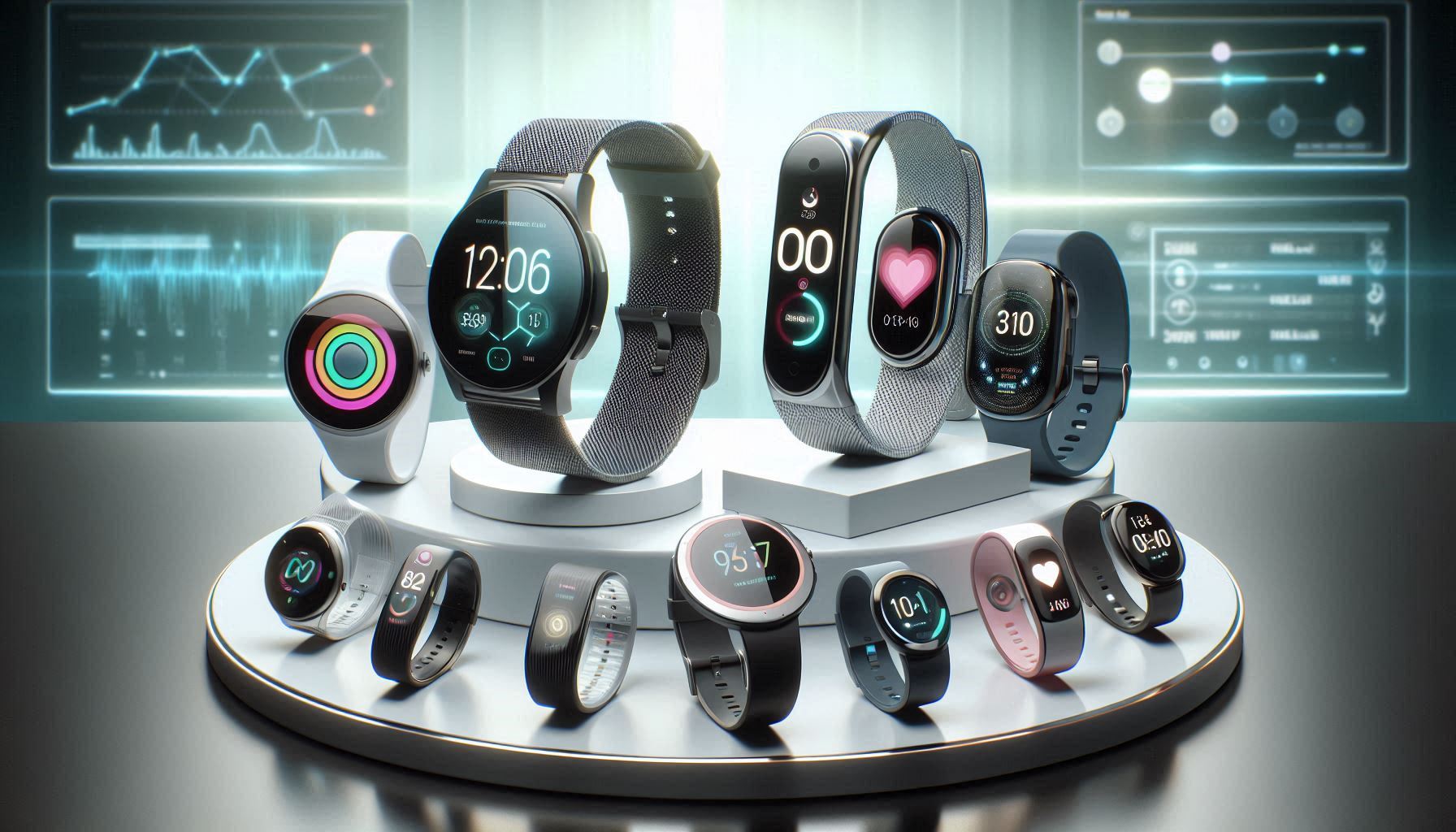
Welcome to Vertevia.com. A lot has changed since the covid era in many walks of life. Not least in the wearable health tech industry. In this article, we shall be looking into Wearable Health Tech In The Post Covid Era. Did you start using wearable health tech after covid? Or maybe during covid? Please let us know in the comments section at the bottom of this page. Right, let’s get started!
Introduction
The world of wearable health tech has changed a lot since Covid-19 upended the way we think about wellness and daily habits. I’ve watched all sorts of gadgets go from simple step trackers and heart rate monitors to devices that now help people keep tabs on their oxygen levels, sleep patterns, stress, and more. The post Covid era is full of new possibilities, with even more reasons to check out wearable health technology, whether you’re managing an ongoing health issue, curious about your daily habits, or simply looking to stay one step ahead with your health.

How Wearable Health Tech Grew After Covid-19
Pandemic life made people hyper aware of their wellbeing. Suddenly it was normal to monitor for symptoms, track physical activity, and look for anything out of the ordinary. Because of this switch up, wearable health tech devices have become a simple way to watch out for our health without the hassle of regular doctor visits or complicated medical equipment.
Covid-19 pretty much fast tracked changes in how most of us value continuous tracking, early warnings, and remote medical care. According to market reports, the global wearable health tech market may cross $150 billion by 2028. That’s a big jump from before the pandemic, thanks to more people wanting data driven health and a larger pool of health conscious buyers.
Wearables now offer more than exercise stats. Features like blood oxygen tracking, temperature sensors, advanced sleep tracking, and even early illness detection algorithms are now available. Even companies in insurance, work safety, and telehealth have started using wearable data to keep people safer and healthier.
Beyond the standard gadgets, there’s been a rise in devices designed for more specific needs, like child friendly watches that monitor heart rate and body temp. Even pet health trackers are gaining traction, showing that our interest in health monitoring is spreading fast. Will it or has it already, become an obsession?
Popular Types of Post Covid Wearable Health Devices
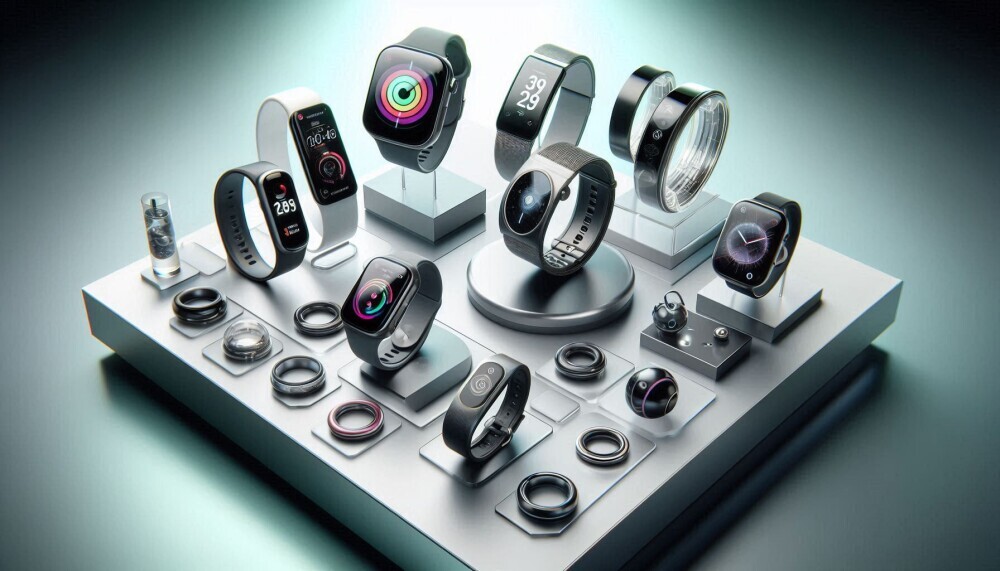
Modern wearable health tech comes in a bunch of useful forms. The main types I see in daily use:
- Fitness Trackers: Slim wristbands like Fitbit and Xiaomi’s Mi Band keep up with heart rate, steps, calories, sleep, and sometimes even your blood oxygen.
- Smartwatches: Apple Watch, Samsung Galaxy Watch, and others work as both mini smartphones and powerful health monitors. Some can even do single lead ECGs right on your wrist.
- Smart Rings: Devices like Oura Ring look like jewellery but deliver accurate sleep, activity, and temperature tracking. They’re super comfortable and pretty discreet.
- Medical Grade Wearables: Things like the Dexcom G7 for continuous glucose monitoring and ECG patches for heart patients stream medical data straight to phones or health care teams.
I’ve noticed that comfort, battery life, and how easy the device makes it to share data all matter a lot, especially if you plan to use a wearable every day. Beyond the basics, style and how the wearable fits your daily routine can make the biggest difference in whether you stick with it or not.
Key Features You’ll Find in Modern Wearable Health Tech Devices
So, let’s now have a look at the features I think you’ll really like:
- Blood Oxygen Monitors: Tracking oxygen levels became a big deal during Covid-19. Many devices now include pulse oximeters as a basic feature. This helps spot low oxygen before other symptoms appear.
- Continuous Heart Rate Tracking: Real time heart rate checks are handy for catching unusual spikes or drops. This is useful both during workouts and at rest.
- Sleep Tracking: Sleep stages, interruptions, and sleep quality data are now standard. Many of these also use temperature and movement sensors for more accuracy.
- Respiratory Rate Monitors: Monitoring breaths per minute can be an early warning sign for certain illnesses, including respiratory infections.
- ECG and Arrhythmia Detection: Higher end devices let you run on the spot ECGs, flagging issues like atrial fibrillation and helping people stay ahead of heart related problems.
- Activity Reminders and Stress Tracking: Alerts to move, breathe, or relax can help break up long workdays or ease anxiety, which is especially relevant now when many work from home.
Wearable health tech devices have also started offering features like skin temperature monitoring and even blood pressure estimation. These make the technology even more attractive for everyday use, beyond just fitness buffs. Some wearables now include hydration tracking and menstrual health insights, showing how all in one they’re becoming for a variety of health needs.
How to Choose a Wearable Health Device That Fits Your Needs
Picking the right wearable is all about figuring out what you want to keep an eye on, and what you’ll actually wear. Here’s how I usually approach it:
- Decide What You Want to Track: Sleep? Activity? Blood sugar? Go for a device that specializes in what you care about. If you’re mainly after sleep insights, a smart ring or something with solid sleep tracking is worth checking out.
- Check Device Comfort and Style: If the wearable feels bulky or causes skin irritation, you won’t use it. Try it on if you can or read lots of user reviews about all day wear and comfort.
- Look at Battery Life: Longer battery life is one of the main reasons people love certain devices. Charging every day gets annoying pretty fast, so check how often you need to plug it in.
- Make Sure It Syncs with Your Phone: Almost every wearable comes with its own app. Look for easy data syncing with your smartphone or computer, and make sure it works with your operating system.
- Research Data Privacy: Health data is personal. Choose products from companies that take privacy seriously and let you control how your information is used or shared.
With so many choices, careful research helps buyers make informed decisions. Company track record and customer support matter here too, especially for devices that collect sensitive or medical data.

Everyday Ways People Use Wearable Health Tech
Wearable tech is no longer just for athletes. Here are some real life use cases that highlight how mainstream this stuff has become:
- Daily Preventative Health: Keeping tabs on trends in your heart rate or resting oxygen, which might prompt early detection of illness and reduce anxiety for many.
- Chronic Condition Management: Devices that track blood glucose or ECGs can help users and their doctors make smarter medication and treatment decisions.
- Remote Health Monitoring: Doctors and nurses often use patient data from wearables during telehealth visits, making healthcare more accessible for people in rural or underserved areas.
- Office and Home Wellbeing: Employers are using wearable devices as part of corporate wellness programs, giving employees new tools to destress, improve posture, or prevent burnout.
- Family Health Monitoring: Devices can alert caregivers about changes in an elderly family member’s health, helping them stay independent longer.
Kids are getting in on the action too, with colourful trackers that gamify staying active. Even pets can wear health trackers now, giving peace of mind to owners looking to monitor their furry friends’ activity and rest.
Challenges and Drawbacks to Look Out For
No tech is perfect, and wearables are no exception. I’ve run into a few snags and read about some common drawbacks:
- Battery Life and Charging Hassles: Some feature packed smartwatches last only a day or two per charge. Forgetting to charge your wearable could leave you without important data overnight.
- Accuracy and Overdependence: Not every data point is 100% reliable, especially blood pressure or blood oxygen readings on cheaper trackers. Using these techs as a general guide is good, but always check with a doctor for anything serious.
- Privacy Worries: Sensitive data could be vulnerable to hacks or accidental sharing. Always check how and where data is stored, and what company policies say about selling or sharing info.
- Cost: Medical grade wearables and advanced smartwatches can be pricey. That said, entry level trackers are better than ever and still deliver a lot of value.
Accuracy and Overdependence
I’ve noticed that while most wearables do a great job at step or movement counting, they can sometimes overestimate metrics like calorie burn or misread sleep cycles. It’s a good idea to use these numbers as reference points rather than medical facts, especially if you notice something strange or get unexpected alerts.
Data Privacy
Your health info is extremely personal. Devices that don’t provide strong encryption or clear privacy controls aren’t really worth the risk, especially as hacking and data leaks across the health tech industry are on the rise.
Battery Life
Modern wearables are much better than earlier models, but charging every day is still a downside for smartwatches loaded with features. If you just want simplicity and can do without constant notifications, basic trackers that last a week between charges are often a better choice.
Cool Advances Worth Watching
Wearable health tech is still getting smarter. Here’s some newer stuff on my radar:
- Non invasive Blood Sugar Monitoring: Researchers are working on ways to measure blood sugar using light, sweat, or other signals, which could really help people with diabetes skip the finger pricks.
- Smart Fabric and Sensors: Clothing that monitors health, like shirts that record lung function or leggings that guide your squats, will likely hit the mainstream soon.
- AI and Predictive Analytics: New software not only tracks trends but also uses artificial intelligence to warn about illness or give personalized health suggestions based on your unique data.
Other developments include mood tracking based on heart variability and skin responses, and even wearable patches for tracking hydration or sun exposure. These improvements could make daily health management even easier and more effective, pushing the field well beyond basic step tracking.
Frequently Asked Questions
People have plenty of questions about wearable tech, and for good reason. Here I’ve tackled a few that come up the most:
Question: Can I trust what my wearable tells me about my health?
Answer: For stuff like steps, activity, and general trends, they’re pretty accurate. For serious stuff like heart irregularities or low oxygen, take any warning as a sign to check with a pro, not a diagnosis.
Question: Will my data stay private if I use a wearable device?
Answer: It depends on the company and device. Always check privacy settings, read the policy, and opt out of sharing if given the choice.
Question: Is it worth upgrading to an expensive wearable?
Answer: If you need medical grade tracking or want deep insights into sleep, activity, or heart health, pricier models make sense. For everyday tracking, more basic models are usually enough.

Final Thoughts
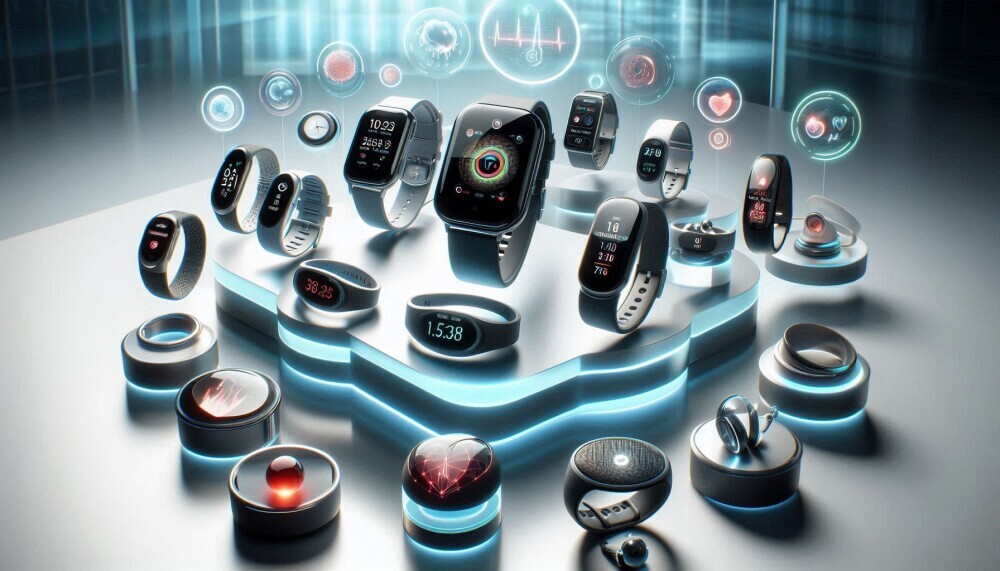
Wearable health tech in the post Covid era has really changed how we look after ourselves. Each new update makes these devices even more useful. Whether you’re a casual user or someone who wants to keep a closer eye on your health, there’s a device out there that can make the job easier and give some peace of mind along the way. The most exciting part is that wearable tech is only going to get more powerful, user friendly, and accurate. So if you’re thinking about jumping in, now’s a great time to track down a gadget that fits your goals and keeps you feeling your best.
Our Thanks!
Many thanks for taking the time to read through this article on Wearable Health Tech In The Post Covid Era. We hope that you have found it informative and helpful. For further reading, why not take a browse through our blog? There are plenty of really helpful articles on a range of topics. You might like reading one of our related articles which is titled Top 5 Wearable Gadgets Every Fitness Enthusiast Should Own.
Please let us know in the comments which type and brand of wearable health tech you are currently using or plan to buy in the future!
**Here is a bit of transparency. Our website www.vertevia.com does contain affiliate links and Amazon links. So, if you did make a purchase through the website, we may receive a small commission. This is at no extra cost to you whatsoever. It’s just a way for you to support us as we continue to bring you top quality content**
All the best!
Eamon
The discussion around wearable health tech in the post-COVID landscape raises important questions about the balance between data accessibility and privacy. With the shift toward continuous health monitoring, how do developers ensure ethical data use while keeping these devices affordable and inclusive? I’m also curious about how healthcare professionals are adapting to interpret the increasing flow of real-time biometric data from consumers. Are there emerging standards or protocols to guide how this information is used in diagnostics or preventive care? The integration with AI is promising, but it seems like there’s a fine line between empowering patients and overwhelming them.
Many thanks Slavisa for your valuable comments. It really is an intriguing subject. Yes, what advances will AI bring to the wearable health market over the coming year or so.