
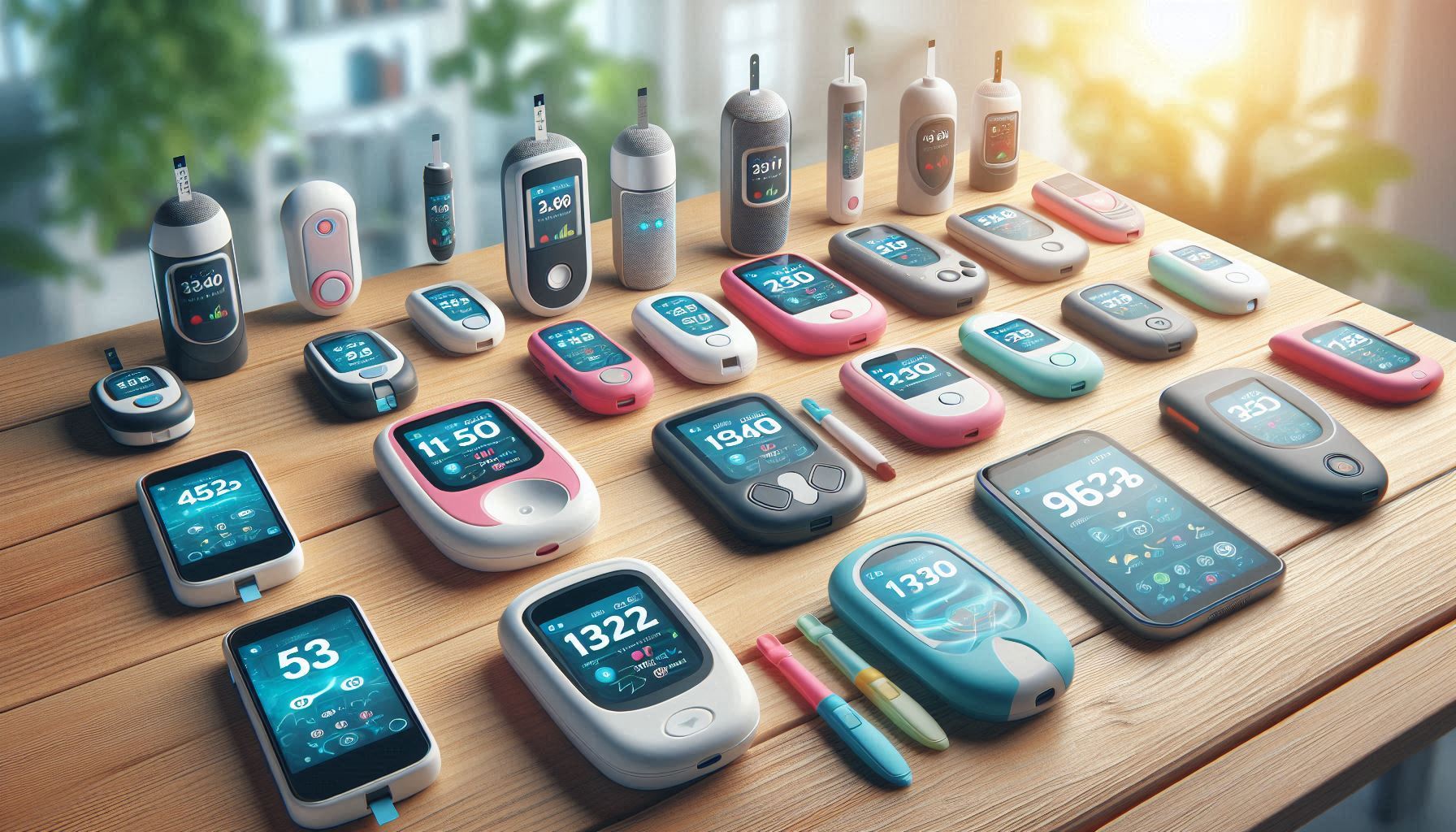
Today, we shall be looking into the world of blood glucose monitoring. The article title is Non Invasive CGM Vs Traditional Finger Stick: Pros And Cons. Advances in blood glucose monitoring are changing the way that diabetics can track their levels. Let’s get started!
Introduction
Blood glucose monitoring has long been a critical part of managing diabetes and maintaining overall health for those at risk of high or low blood sugar levels. For decades, the finger stick method has been the standard, providing direct readings by pricking the skin and testing a drop of blood. This approach is straightforward and reliable, but it can also be inconvenient, uncomfortable, and disruptive to daily life.
The development of non invasive continuous glucose monitoring, often called CGM, represents a major step forward in health technology. These devices use advanced sensors to track glucose levels through the skin without puncturing it. The result is a more comfortable and continuous way to monitor trends and changes. But how does this new method compare to the traditional approach? In this article, we will examine both, look at their key features, weigh the pros and cons, and help you decide which might be the better fit for your lifestyle and needs.
What is Non Invasive Continuous Glucose Monitoring?
Non invasive CGM uses sensor technology to detect glucose levels through the skin or interstitial fluid without drawing blood. These devices often rely on optical or electromagnetic sensing, measuring changes in the composition of body tissues that correspond to glucose fluctuations. Data is collected continuously and sent to a display device or smartphone application for review.
Key Features of Non Invasive CGM
- No skin puncture required
- Continuous tracking of glucose levels throughout the day and night
- Trend graphs and predictive alerts for highs and lows
- Integration with fitness and health applications
- Discreet design for everyday wear
What is the Traditional Finger Stick Method?
The finger stick method involves pricking the fingertip with a small lancet to obtain a drop of blood. This blood is placed on a test strip which is inserted into a glucose meter. The meter then provides an immediate reading of the blood glucose level.
Key Features of the Finger Stick Method
- Direct measurement from blood
- Immediate results in seconds
- Widely available and affordable
- Portable and battery operated
- Compatible with various test strip brands
Comparing Accuracy
- Non Invasive CGM: Accuracy can vary depending on sensor technology and calibration. While many modern systems are highly reliable for trend monitoring, they may show slight delays compared to direct blood testing due to measurement from interstitial fluid.
- Finger Stick: Generally considered the gold standard for point in time accuracy since it measures glucose directly in the blood. Results are instant but only represent one snapshot in time.
Cost Comparison
- Non Invasive CGM: Typically more expensive upfront, especially for the device itself. Some models require ongoing subscription services for data access or sensor replacements. Prices can range from £300 to £600 for the device with monthly costs for sensors or software.
- Finger Stick: Lower upfront cost with meters priced between £15 and £50. Ongoing costs include lancets and test strips which can range from £15 to £40 per month depending on frequency of testing.
Benefits of Non Invasive CGM
- No pain or discomfort from skin pricks
- Continuous monitoring provides more context and trends
- Alerts for highs and lows before they become dangerous
- Easy to use for those with busy or active lifestyles
- Can integrate with smart devices for health tracking
Benefits of Finger Stick
- High point in time accuracy
- Simple and affordable technology
- No need for complex software or connectivity
- Immediate results without data delay
- Works without battery draining apps or devices
Pros and Cons Summary
Non Invasive CGM
Pros
- Comfortable and painless monitoring
- Continuous tracking day and night
- Predictive alerts for better management
- Discreet and wearable
Cons
- Higher cost over time
- Potential slight delay compared to blood measurements
- Requires charging or battery changes
- May require occasional calibration
Finger Stick
Pros
- Accurate and reliable readings
- Affordable and widely accessible
- No dependence on connectivity or power
- Easy to learn and use
Cons
- Requires multiple daily finger pricks
- No continuous tracking between tests
- Can be inconvenient in public or during activities
- Potential for sore fingertips over time
Who Should Use Each Method
Non Invasive CGM is suitable for:
- People who dislike finger pricks
- Those who need frequent glucose monitoring
- Individuals with active lifestyles who want data without disruption
- Parents monitoring children with diabetes
- Anyone interested in long term trend analysis
Finger Stick is suitable for:
- Individuals testing less frequently
- People who want a low cost solution
- Those who prefer a traditional and proven method
- Individuals who do not need trend data but want accurate spot check
How to Get the Best from Your Wearable or Device
- Wear or use consistently to ensure accurate data
- Understand your readings and what they mean for your health
- Set alerts or reminders to check or review data regularly
- Combine data with lifestyle changes for improved results
- Keep devices and supplies ready to avoid interruptions
- Stay updated on new models and software improvements
Frequently Asked Questions
1. Is non invasive CGM as accurate as finger stick testing?
Non invasive CGM is accurate enough for monitoring trends but may have a short delay compared to direct blood readings.
2. Do I still need to do finger sticks if I have a CGM?
Some healthcare providers recommend occasional finger stick checks to confirm CGM accuracy.
3. Which is cheaper in the long run?
Finger stick testing generally costs less over time, though CGM may reduce indirect costs by helping avoid complications.
4. Can children use CGM devices?
Yes, many CGM devices are suitable for children and can help parents track glucose levels remotely.
5. Do CGM devices require calibration?
Some models need occasional calibration with a finger stick, though newer models may be factory calibrated.
6. Can I swim or shower with a CGM device?
Most are water resistant but you should check manufacturer guidelines.
Conclusion
Both non invasive CGM and traditional finger stick testing offer valuable ways to monitor blood glucose. The choice comes down to personal needs, budget, and lifestyle. CGM offers the advantage of painless, continuous tracking and predictive alerts, while finger stick testing remains a reliable and cost effective option for accurate point in time results.
As technology advances, the gap between the two methods will likely close, with CGM devices becoming more affordable and accurate. Until then, each approach has its place in diabetes care. The most important factor is finding a method you will use consistently, because regular monitoring is the key to maintaining stable glucose levels and protecting long term health.
Our Thanks!
Many thanks for reading this article on Non Invasive CGM Vs Traditional Finger Stick: Pros & Cons. We hope that you have found it helpful and that it aids your search for a suitable CGM blood glucose monitor. You should take a look at one of our related articles which are titled The Rise Of Non Invasive Glucose Monitoring: Are Needle Free Wearables The Future? or Best 5 Smartwatches With Glucose Monitoring Potential and How Non Invasive Glucose Monitoring Works: Optical Sensors Explained.
Please let us know in the comments which type of wearable health tech device you are currently using or plan to buy in the future! The comments section is just underneath this article!
**Here is a bit of transparency. Our website www.vertevia.com does contain affiliate links and Amazon links. So, if you did make a purchase through the website, we may receive a small commission. This is at no extra cost to you whatsoever. It’s just a way for you to support us as we continue to bring you top quality content**
All the best!
Eamon