
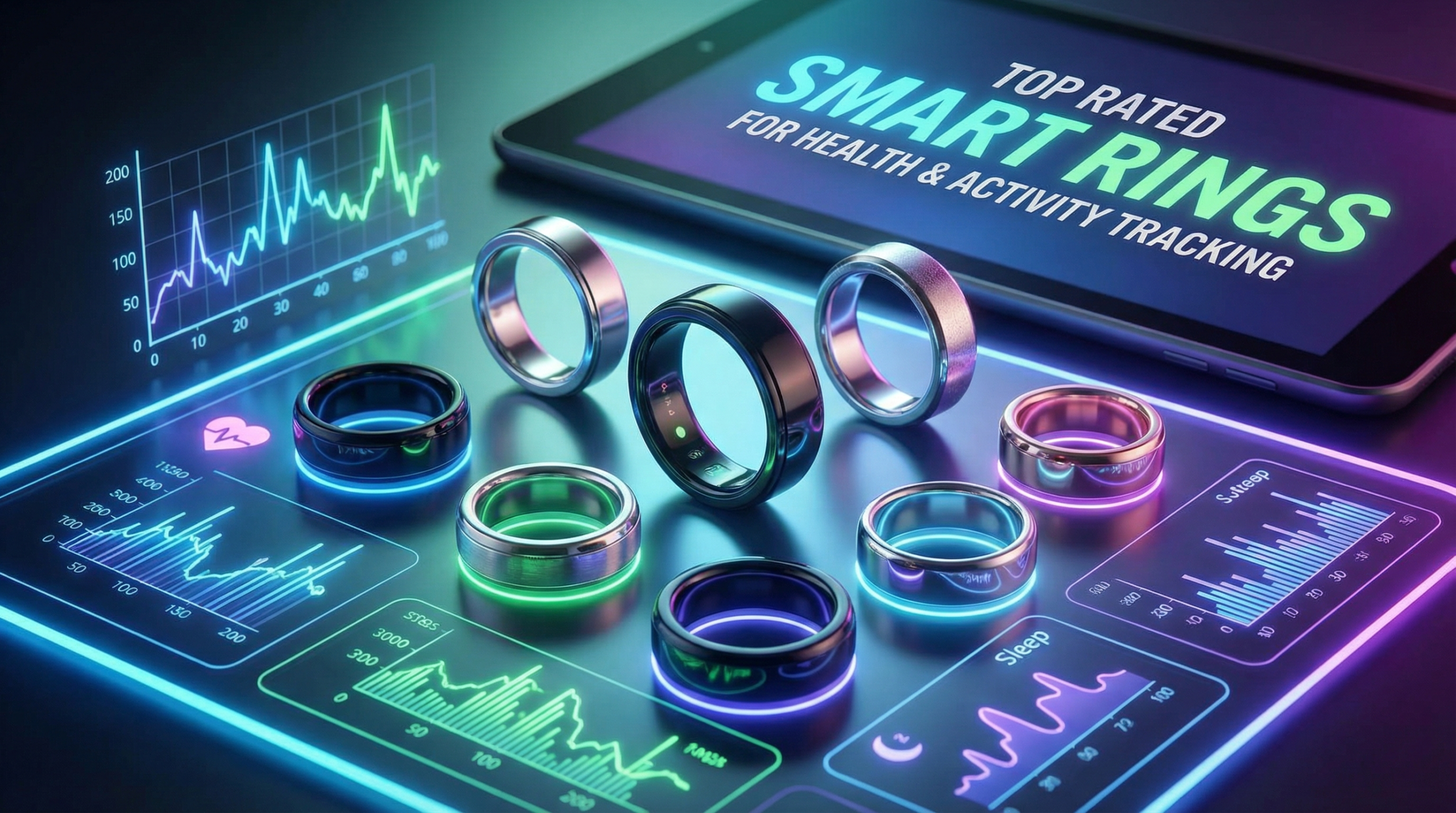
Welcome back to Vertevia. This blog post is on the topic of Top Rated Smart Rings For Health And Activity Tracking. If you like the idea of tracking your activity and health without wearing a chunky smartwatch or fitness band, smart rings are definitely worth checking out. I’ve been testing out several of these compact wearables for a while now, and the way they combine sleek design with packed in sensors is pretty impressive.
Here’s a look at some of the top rated smart rings for health and activity tracking, plus what you should keep in mind if you’re thinking of getting one yourself.
Why Smart Rings Are Popular for Health and Fitness Tracking
Smart rings have become pretty popular because they offer a low profile way to track all kinds of health stats. Unlike smartwatches or fitness bands, a smart ring sits on your finger almost like regular jewellery, but it’s still loaded with tracking technology. People love them for being comfortable, stylish, and surprisingly powerful for their size.
The smart ring market has expanded a lot since the first Oura Ring hit the market back in 2015. These days, smart rings can check your steps, heart rate, sleep stages, and even blood oxygen levels, all in a package that’s barely noticeable. For anyone who finds wrist devices annoying or wants something more discreet, a smart ring is a solid choice. Besides, their stylish looks mean you can wear them with formal or casual outfits without drawing unwanted attention. They just blend in.
Common Features Found in Top Rated Smart Rings
Most smart rings share some core features. If you’re shopping around, here are a few things you’ll spot on just about every top model:
- Step Tracking: Almost every smart ring counts your steps throughout the day.
- Heart Rate Monitoring: Uses tiny sensors to keep tabs on your heart rate, both when you’re working out or resting.
- Sleep Tracking: Monitors how long and how well you sleep; some even break it down by REM and deep sleep phases.
- Body Temperature: Some rings track changes in your skin temperature for extra wellness insights.
- Battery Life: Battery life usually ranges from three to seven days between charges, which is longer than many smartwatches offer. Having to charge less often makes smart rings much easier to stick with long term.
- Water Resistance: Most can handle sweat or a quick wash, and a few are even safe for swimming.
- Companion Apps: Data syncs to your phone using Bluetooth, and most companies have user friendly apps with dashboards to keep all your stats in one place.
Advanced models sometimes offer things like blood oxygen saturation (SpO2), heart rate variability, or stress tracking. Some rings will even let you know if your body needs more recovery time after exercise. More recently, a few smart rings have started focusing on women’s health features, such as period predictions and ovulation tracking, making them even more useful for a wider range of users.
Top Rated Smart Rings Worth Considering
I’ve rounded up a few of the best smart rings for health and activity tracking based on my experience, reviews from other users, and what they offer. These are worth having on your radar if you’re aiming for great tracking and sleek style.
1.Oura Ring Gen 3
Oura has been leading the smart ring pack for a while now. The Gen 3 offers in depth sleep analysis, tracks your heart rate continuously, and includes sensors for blood oxygen. You get daily readiness scores, which are super useful for knowing when to push yourself or take a break. The app presents everything clearly. The ring itself looks like a simple piece of jewellery. I found the comfort and battery life (4 to 7 days between charges) truly stand out. Plus, Oura’s advanced insights make it a go to for anyone wanting to get a better picture of overall wellness patterns. Many users mention that their guided sleep and recovery tips have made a positive difference in their habits.
2.Ultrahuman Ring Air
The Ultrahuman Ring Air is designed to give you a clean, lightweight wearable that is focused on metabolism, recovery, and sleep. It tracks steps, movement, temperature, resting heart rate, and activity levels, and provides powerful insights into your recovery and readiness for workouts. The app is beginner friendly, and you can wear it 247 without noticing it’s there. Battery life lasts up to six days. The titanium build handles everyday knocks well, and it’s a good pick for active lifestyles. The Ultrahuman Ring Air syncs smoothly with its app, which keeps things simple yet still lets you break down trends over time.
3.RingConn Smart Ring
This ring stands out for its solid price and reliable tracking. It covers basics like heart rate, sleep, blood oxygen, steps, and body temperature variation. The app isn’t as flashy as some, but it gives you all your data in a simple dashboard. I noticed battery life lands between five and seven days, which should be plenty for most people. If you want a straightforward smart ring that provides key metrics at a reasonable cost, RingConn is an easy pick, and it still brings needed features to the table. They’ve also been expanding their app’s analytics to cover more trends each month.
4.Circular Ring
The Circular Ring is a bit chunkier than the others, but makes up for it with customizable notifications and plenty of health metrics. You get sleep score breakdowns, energy levels, SpO2, and detailed daily stats. This model has a unique replaceable outer shell, so you can swap the look if you get bored. I found it does a good job giving sleep cycle feedback and recovery reminders, perfect for anyone focused on optimizing rest and training. Because the notifications can be tailored for fitness or other alerts, it works well for those who want their smart ring to do just a little more than the rest. It is also suitable for people looking for design flexibility.
How Smart Rings Actually Track Your Health
Smart rings use miniature versions of the same sensors found in fitness bands and smartwatches. Most use tiny LED lights and photodiodes to measure your heart rate and SpO2 by shining light through your skin. Little accelerometers and gyroscopes count steps and movement. Temperature sensors check for changes in your skin’s warmth, and in some cases, this can help spot when your body is under stress or fighting off illness.
All your data syncs wirelessly to your phone app, making it easy to review trends or spot patterns. If you wear your ring day and night, you’ll get a steady stream of information to help you tweak goals, improve habits, or catch early signs of needing rest. Long term stats can be handy for tracking progress, sharing info with doctors, or just being more aware of your overall health. Smart ring sensors keep making progress, and manufacturers are investing in software to provide insights on recovery, readiness, and lifestyle tips. It’s impressive how far this technology has come in just a few years.
Things to Think About Before Buying a Smart Ring
Picking out the right smart ring isn’t just about which one looks the coolest. Here are a few things I always consider before pulling the trigger:
- Fit and Sizing: Getting the right fit is really important. Some brands send a sizing kit before you order to make sure your ring feels comfortable and snug. Since you’ll be wearing it every day, going for the best fit is key. Most rings won’t function properly if they’re too loose or tight.
- Features: Decide what you care about most: sleep tracking, heart rate, recovery, or something else. Some rings skip certain metrics to focus on a few categories. If menstruation or advanced recovery tracking is important, be sure to check if your favourite model offers those extras.
- App Experience: The app is where all your info shows up. Some offer more insights, guidance, and customization than others, so reading reviews or checking screenshots can help.
- Battery and Charging: Nobody wants to charge things every day, so look for something in the four to seven day range. Most smart rings use a simple dock or wireless pad for recharging; some manufacturers even send an extra charging base.
- Style: Smart rings come in a range of styles, and you’ll probably want one that matches your everyday look since it’s always on your hand. Options range from matt finishes to shiny metallics and various colours, so you don’t have to settle for something that doesn’t suit your vibe.
- Price: Prices can range from around a $100 to over $400, depending on the ring and its features. Some even charge a monthly app subscription for advanced data breakdown.
Careful research helps buyers make informed decisions. It’s a good idea to read user reviews, double check warranty policies, and make sure any ring and app combo you choose works with your type of phone. Taking time to compare at least two or three different brands can help ensure your satisfaction after making the purchase.
Advanced Tips for Getting the Most Out of Your Smart Ring
After you’ve set up your smart ring and worn it for a bit, there are some easy tricks to squeeze out better results:
Wear it regularly: Consistency helps your device learn your daily patterns, so keep it on as much as possible, even at night if sleep tracking is your focus. Over time, having months of data provides insights into subtle changes in your activity or recovery needs.
Check and clean your ring: Sweat and dirt can block sensors, so give your ring a quick clean every now and then for the most accurate readings.
Sync your data daily: Make sure your ring and app are talking to each other regularly so nothing gets lost. If you’re traveling or offline for a bit, sync as soon as you reconnect to keep your records up to date.
Review trends, not just daily totals: Your weekly or monthly averages are usually more useful than single day numbers when it comes to understanding health or fitness changes.
Use reminders and alerts: Set up gentle nudges from your app if you want motivation to move more or wind down at night. Many rings also let you silence notifications whenever you want peace and quiet.
Smart rings are best at helping you spot trends, tweak routines, and catch sluggish days before they turn into burnout. Adding your ring’s data into your overall wellness plan (including diet, exercise, and mental health habits) is a great way to get a fuller picture of where you’re at. Also, sharing some of your long term stats with a personal trainer or doctor can help you get feedback tailored to your goals.
Use Cases: Who Benefits Most from Smart Rings?
Smart rings can work for just about anyone, but I’ve noticed a few types of people get the most benefit:
- Sleep hackers: Great for folks looking to monitor and improve their sleep patterns without wearing a band to bed. Many find that having accurate data on light, deep, and REM sleep helps them create better evening routines.
- Athletes and weekend warriors: Lots of useful training and recovery stats help fine tune workouts or alert you when to rest more. Recovery tools like readiness scores are especially helpful for avoiding injuries from overtraining.
- People who dislike traditional wearables: If you’re not a fan of watches or big trackers, a smart ring disappears into your daily style. Since rings are less likely to snag or get in the way, they can be a more comfortable choice for people in certain jobs, too.
- Anyone with a busy lifestyle: See trends quickly without sorting through lots of charts or dashboards, as most apps are set up to deliver the basics at a glance. This makes it easy for parents, students, or professionals to track wellness without extra effort.
Whether your goals are better sleep, more mindful activity, or just keeping an eye on your health, a smart ring fits right in with daily routines without having to mix things up. It’s all about making subtle improvements and catching patterns early.
Features Table
Frequently Asked Questions
If you’re looking for straight answers on smart rings, here are some of the most common questions I get. These detailed answers can help you make an informed decision:
Q1: How accurate are smart rings compared to wrist devices?
A: Most smart rings are surprisingly accurate for things like steps, heart rate, and sleep stages. Some may lag a bit behind premium smartwatches, especially during intense activities, but for everyday tracking they’re very reliable. Data may vary slightly from person to person based on fit and finger size.
Q2: Can I wear my smart ring while swimming or showering?
A: Many models are water resistant and can handle hand washing or a little rain. Some top rated smart rings like the Oura Ring Gen 3 are safe for swimming or showering, but always check your device’s specs before exposing it to lots of water.
Q3: Do smart rings track blood pressure?
A: Most smart rings do not track blood pressure directly. They track heart rate, blood oxygen, and other metrics. For blood pressure, you’ll still need a standard cuff or a specialized medical device.
Q4: How do I charge a smart ring?
A: Smart rings usually come with a wireless charging dock or a tiny USB powered pad. Drop the ring onto the charger and it refuels in about 60 to 90 minutes. Battery life varies, but you can expect to charge most rings once or twice a week.
Q5: Can smart rings replace a smartwatch?
A: For tracking sleep, steps, and basic health trends, a smart ring can do the job of a smartwatch. However, it often doesn’t show notifications or control music, so many people still use both together depending on their daily needs.
Q6: Are smart rings comfortable to wear all day?
A: Comfort depends on sizing and the ring’s design. Most brands ship a sizing kit first to help you get a good fit. A properly sized smart ring feels just like a wedding band or standard jewellery and can be worn all day and night, even while sleeping.
Q7: Will a smart ring work with my Android or iPhone?
A: Most smart rings work with both Android and iOS devices using a dedicated app. Always double check app compatibility before buying to make sure your phone is supported.
Q8: Are smart rings safe for people with pacemakers?
A: While smart rings are generally safe, the Bluetooth connectivity or sensor emissions may not be advised for everyone. If you or someone you know uses a pacemaker, it’s best to talk to a healthcare provider before using any wearable tech, including smart rings.
Summary
Smart rings are a great solution for tracking health and activity in a subtle, stylish way. They measure sleep, heart rate, steps, and more, all in a comfortable form you barely notice. With new advances each year, smart rings are getting better at helping people stay on top of wellness goals without extra hassle. If you’re looking for a tool to boost awareness and keep tabs on your health, a smart ring is definitely worth checking out. Smart rings are likely to keep getting smaller, smarter, and even more useful in the years ahead, making them an exciting space to watch for any health conscious tech user.
Thankyou for reading this article on Top Rated Smart Rings For Health And Activity Tracking. I do hope it has provided some valuable information to assist with your purchase decision. For more reading, take a look at these interesting articles below:
Please let us know in the comments which brand and type of smart ring or other wearable device you are currently using or plan to buy in the future!
**Here is a bit of transparency. Our website www.vertevia.com does contain affiliate links and Amazon links. So, if you did make a purchase through the website, we may receive a small commission. This is at no extra cost to you whatsoever. It’s just a way for you to support us as we continue to bring you top quality content**
All the best!
Eamon