
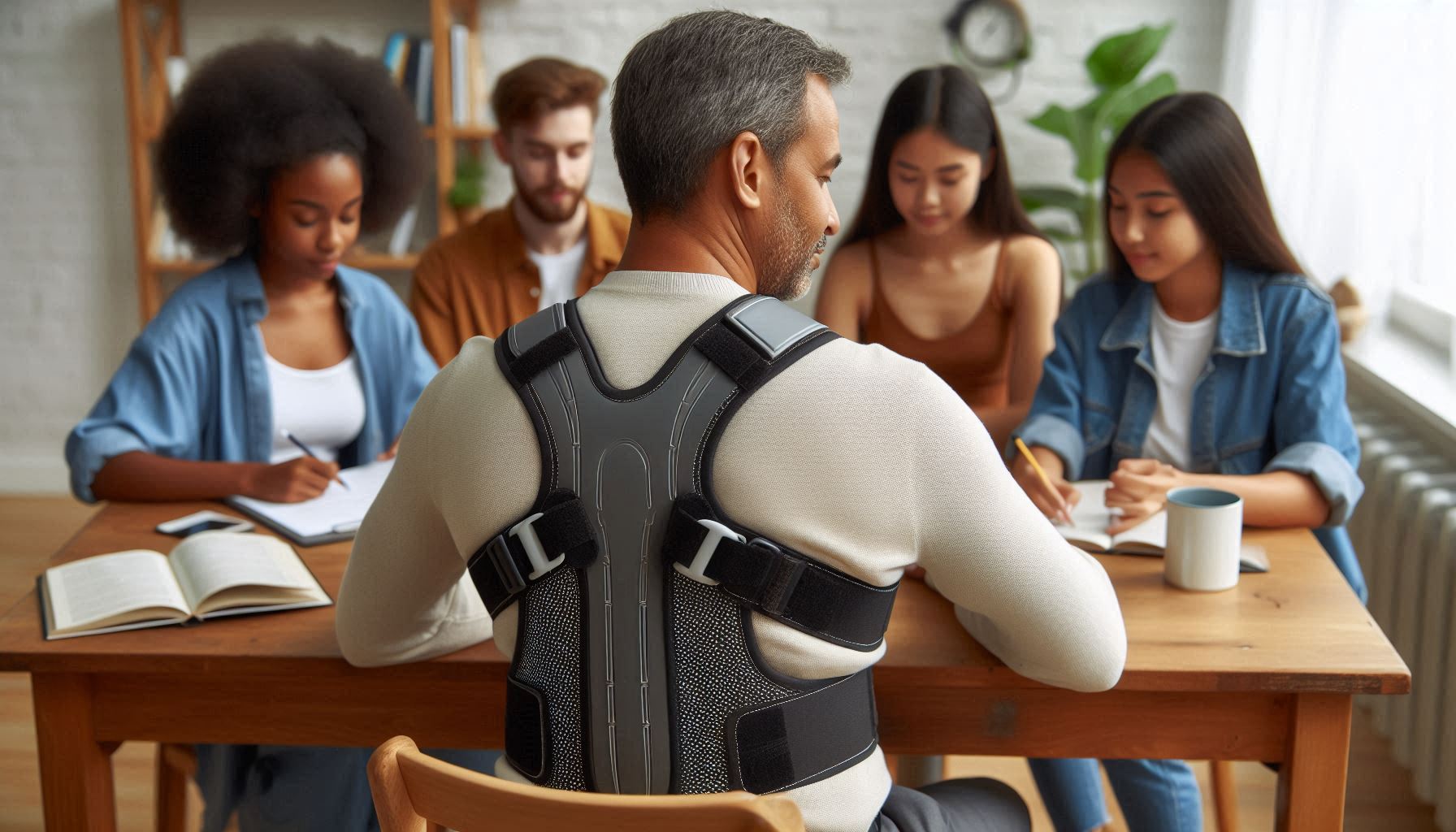
Millions of people suffer from lower back pain. It’s one of the most common complaints and really can have a detrimental effect on a sufferer’s life. Posture correctors are a main source of relief. In this article, we shall be looking at the Best 5 Posture Correctors For Lower Back Pain. Are you lower back pain sufferer who uses a posture corrector? Please let us know your thoughts in the comments section at the bottom of the page.
Introduction
Lower back pain is one of the most common complaints among adults today. Whether it stems from prolonged sitting, weak core muscles, poor posture habits, or strain from lifting, it is a problem that can bring daily discomfort and limit mobility. Many people look for practical solutions that provide relief and help retrain posture over time. While exercise and ergonomic adjustments are foundational, a well designed posture corrector can complement these efforts by providing gentle support and increased body awareness during daily activities.
In this article we explore five posture correctors that are well suited to relieving lower back pain. These options range from traditional supportive braces to smart wearable devices. We cover features, comfort, prices, pros and cons for each. We also provide guidance on proper use and realistic expectations, because posture correction is a journey, not a quick fix. By understanding how each product works, you can choose one suited to your lifestyle and pain relief goals.
Why Posture Correctors May Help
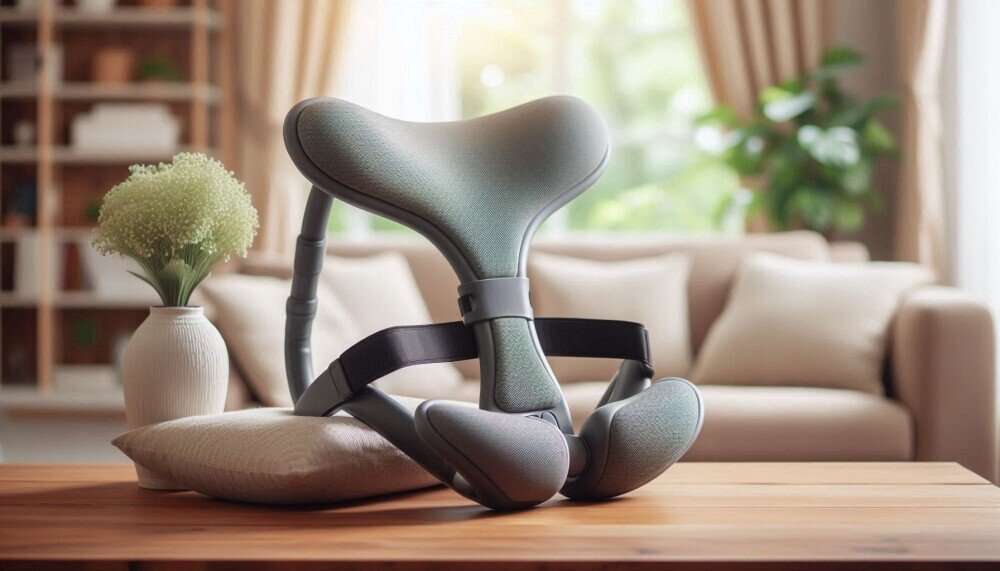
Posture correctors aim to realign the spine, encourage upright posture, and reduce strain on lumbar muscles. Many people unknowingly slouch or lean forward during daily tasks, increasing stress on the lower spine. A posture belt or brace can help hold the pelvis and lower back in a neutral position, reducing pressure and encouraging proper alignment. This physical cue can remind you to sit or stand straighter.
However experts note that these devices work best when used alongside exercise that strengthens core stability and flexibility. Reddit discussions and medical comments indicate that over reliance can weaken muscles over time. It is recommended to wear a corrector for limited intervals each day, gradually building posture strength. Realigning posture is a process. You must pair awareness tools with active muscle training for lasting results.
What to Look For in a Good Lower Back Posture Corrector
Look for adjustable straps that avoid digging into the armpits or ribs. Breathable materials help you stay comfortable during wear. Ideally the design includes lumbar padding or stays to support the lower spine. The device should be easy to put on and take off, and fit discreetly beneath clothing if needed. Smart posture devices require app integration and reminders, but offer additional feedback and awareness.
Also consider whether the corrector supports both lumbar and upper back alignment. Most back pain originates in the lower spine, but shoulder and thoracic alignment affect the entire posture chain. Price is important too. Some models cost around £30 to £40, while smart wearables can cost over £80. Finally safety and medical credibility matter. Look for devices used or recommended by physiotherapists and with adjustable support options.
Best 5 Posture Correctors for Lower Back Pain
1.Upright GO 3 Smart Posture Trainer
This is a wearable smart device that sticks to your upper or lower back. It vibrates gently when it senses slouching and syncs with a smartphone app for tracking and habit formation.
Features
• Lightweight sensor disc attached to the back
• Real time posture monitoring with app integration
• Gentle vibration reminders
• AI learning adapts cues over time
• Battery lasts about seven to ten days
Price: Around £100
Pros
• Very discreet under clothing
• Encourages awareness without mechanical restriction
• App tracking offers habit reports
• Flexible placement allows lower back usage
Cons
• Not traditional support for lumbar alignment
• Requires app calibration and user discipline
• Evidence limited to habit change rather than medical results
This device is best for those seeking posture awareness more than physical support. It helps you notice slouching cues but does not provide firm lumbar brace support.
2.ComfyBrace Adjustable Back Brace
This classic brace features wide adjustable straps, breathable neoprene fabric, and lumbar support. It focuses on the lower back while also lifting the shoulders into alignment.
Features
• Breathable neoprene and nylon mesh
• Adjustable cross straps for lumbar and shoulder alignment
• One size fits most with Velcro closure
• Removable lower lumbar pad
Price: Around £35
Pros
• Affordable and supportive for lower back
• Breathable and comfortable material
• Adjustable fit works under clothing
• Simple to use without apps
Cons
• Bulkier than smart models
• No tracking or reminder functionality
• May feel stiff for long wear without building muscle support
Ideal for users wanting physical support and alignment without reliance on technology or apps.
3.Mueller Lumbar Support Back Brace
This more structured brace includes a removable lumbar pad and rigid stays for added support. It is built to reduce strain during long periods of sitting or standing.
Features
• Rigid plastic stays plus a padded lumbar insert
• Adjustable belts secure snug fit
• Breathable mesh back panel
• Sizes to fit waist circumference up to around 50 inches
Price: Around £30 to £40
Pros
• Provides substantial lower back support
• Effective for mild to moderate lumbar pain
• Removable pad allows adjustability in support
• Durable and suitable for seated or active use
Cons
• Less discreet and may restrict movement
• Can feel too stiff for casual wear
• May trap heat during long wear
Recommended for people needing serious lumbar support during extended sitting or tasks that strain the lower spine.
4.SpineAlign Back Support and Posture Corrector
This brace feels like a lightweight backpack and is designed to be worn nearly full time under clothing if needed. It supports lumbar and thoracic alignment.
Features
• Padded shoulder straps and breathable back panel
• X strap configuration for upright posture
• Adjustable fit with extension straps
• Lightweight and low profile
Price: Around £40 to £50
Pros
• Comfortable and discreet under clothing
• Encourages awareness with mild support
• Doesn’t chafe and adjusts easily
• Suitable for office, home, or mild activity
Cons
• Only light level of support
• No lumbar pad or rigid stays
• Some users report initial slight soreness
Good for habit building and gentle support during daily activities rather than heavy duty correction.
5.AVIDDA Replaceable Plate Posture Corrector
This posture corrector offers modular support with either flexible or rigid back plates depending on level of discomfort or need. It covers lumbar and upper back alignment.
Features
• Interchangeable back support plates (soft or rigid)
• X back strap system with breathable fabric
• Multiple sizes available
• Designed to avoid underarm irritation
Price: Around £20
Pros
• Low cost with customizable support
• Breathable and adjustable design
• Good for both desk users and active wearers
• Plate changes allow personalization
Cons
• Less widely known brand
• Limited customer support or warranty
• Minimal instruction for exercise integration
Ideal entry level option for those wanting to try posture support without large expense.
Real User Insights and Limitations
Reddit users and clinicians frequently point out that posture correctors are reminders not cures. Some people report shoulder or chest muscle discomfort from prolonged wear. Doctors and physiotherapists emphasize that corrective devices should be worn only briefly. Typically 15 to 30 minutes at first, while combining stretch and strength training routines. Overuse can lead to muscle weakness if relied on too heavily. Many corrections require awareness combined with active improvement of core and postural muscles. In other words, braces support progress but cannot replace movement and therapy.
Usage Guidance for Best Results
Do not treat the device as a permanent crutch. Begin with short intervals of wear. Such as 30 minutes per session. Gradually increasing to a few hours per day. Only use it during mindful activity or posture challenging situations such as desk work. Combine the corrector with stretching exercises for hip flexors, chest, and strengthening for the core and upper back. Follow physiotherapist guidance whenever possible.
Regularly reassess comfort and fit. A correctly sized brace prevents chafing, ensures correct alignment, and avoids restricting breathing. Smart devices should be calibrated correctly and used intermittently to reinforce habit rather than dependence.
Frequently Asked Questions
1.Is it safe to wear a posture corrector all day?
Wearing one all day is not recommended. Most experts advise limited use initially. Up to one hour at a time, to allow your muscles to adapt gradually.
2. Can posture correctors make pain worse?
Some users experience discomfort or soreness as they adjust. This often signals that muscles are engaging. If pain persists, reduce wear time or consult a specialist.
3. Will posture correctors fix core weakness?
No, they aid awareness but do not build muscle. Strengthening and stretching exercises are essential for lasting improvement.
4. How do smart devices differ from braces?
Smart posture devices alert you to slouching using vibration and feedback apps, but they provide minimal structural support. Braces offer physical alignment help. Both can work together effectively.
5. Do these devices work long term?
They can help form good posture habits, but sustained progress depends on ongoing mindfulness and exercise beyond the device.
Conclusion
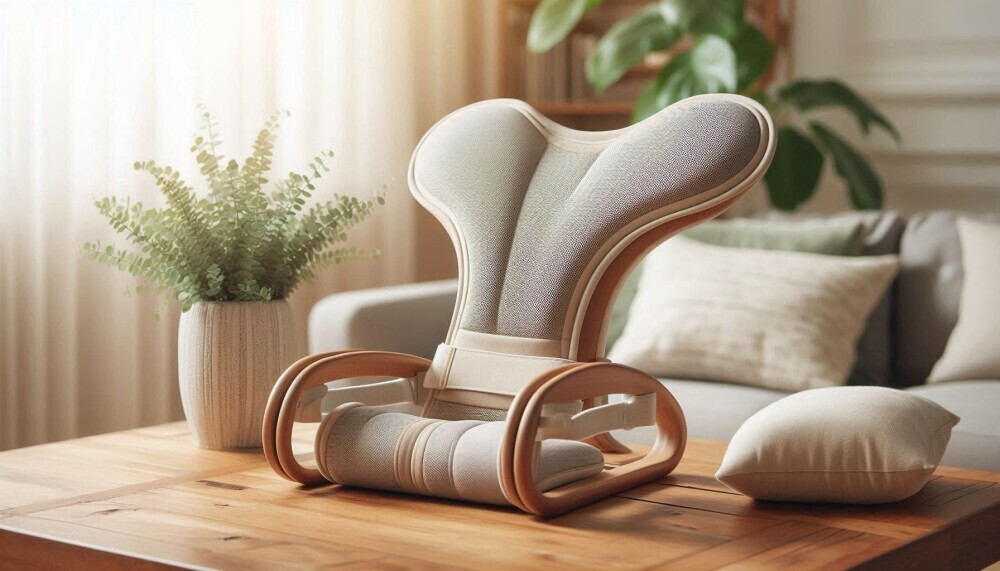
Posture correctors are most effective when treated as training tools. Not permanent fixes. They provide important physical cues or structural support that help remind you to sit or stand more upright, reducing lower back strain. Devices like the Mueller brace and ComfyBrace offer solid lumbar support for short term relief, while SpineAlign and AVIDDA provide lightweight alignment aids. The Upright GO 3 smart trainer encourages awareness and habit forming without rigidity.
To see real benefits you must pair any corrector with posture strengthening exercises and lifestyle adjustments. Muscles need to be engaged actively and stretched regularly to support long term posture changes. Use these tools wisely and intentionally as part of a balanced approach. With proper fit, moderate use, and complementary exercise, a posture corrector can be a helpful aid on your path to reduced back pain and better body mechanics over time.
Our Thanks!
Many thanks for taking the time to read this article on the Best 5 Posture Correctors For Lower Back Pain. I hope that it has been helpful to you in your search for a suitable posture corrector for your lower back. If you would like some further reading, take a look at our blog! Or you could read our related article which is titled Top 10 Best Posture Correctors 2025.
**Here is a bit of transparency. Our website www.vertevia.com does contain affiliate links and Amazon links. So, if you did make a purchase through the website, we may receive a small commission. This is at no extra cost to you whatsoever. It’s just a way for you to support us as we continue to bring you top quality content**
All the best!
Eamon