
Welcome to Vertevia and our blog article titled Most Accurate Heart Rate Monitor Wearables. Tracking heart rate is a pretty big deal now, whether you’re all about hitting new workout goals, keeping tabs on everyday health, or just love seeing the numbers. Reliable heart rate data makes workouts more effective, helps with overall wellness, and even spots odd health changes early.
Wearables have really stepped up their game, but finding the models that deliver true accuracy can be confusing. I’m sharing my experience with some of the most accurate heart rate monitor wearables that actually live up to the hype, plus what you’ll want to know before deciding on a purchase..
Why Heart Rate Accuracy Matters
It’s easy to assume most wearables get heart rate tracking right, but the differences in accuracy can be pretty wide depending on the tech inside and how you use them. A precise heart rate monitor tells you when you’re actually in your target zone versus just guessing based on effort. That makes a difference for athletes, people working on fitness, or anyone monitoring health on a doctor’s advice. Even outside the gym, accurate readings help spot potential problems like arrhythmias or recovery trends.
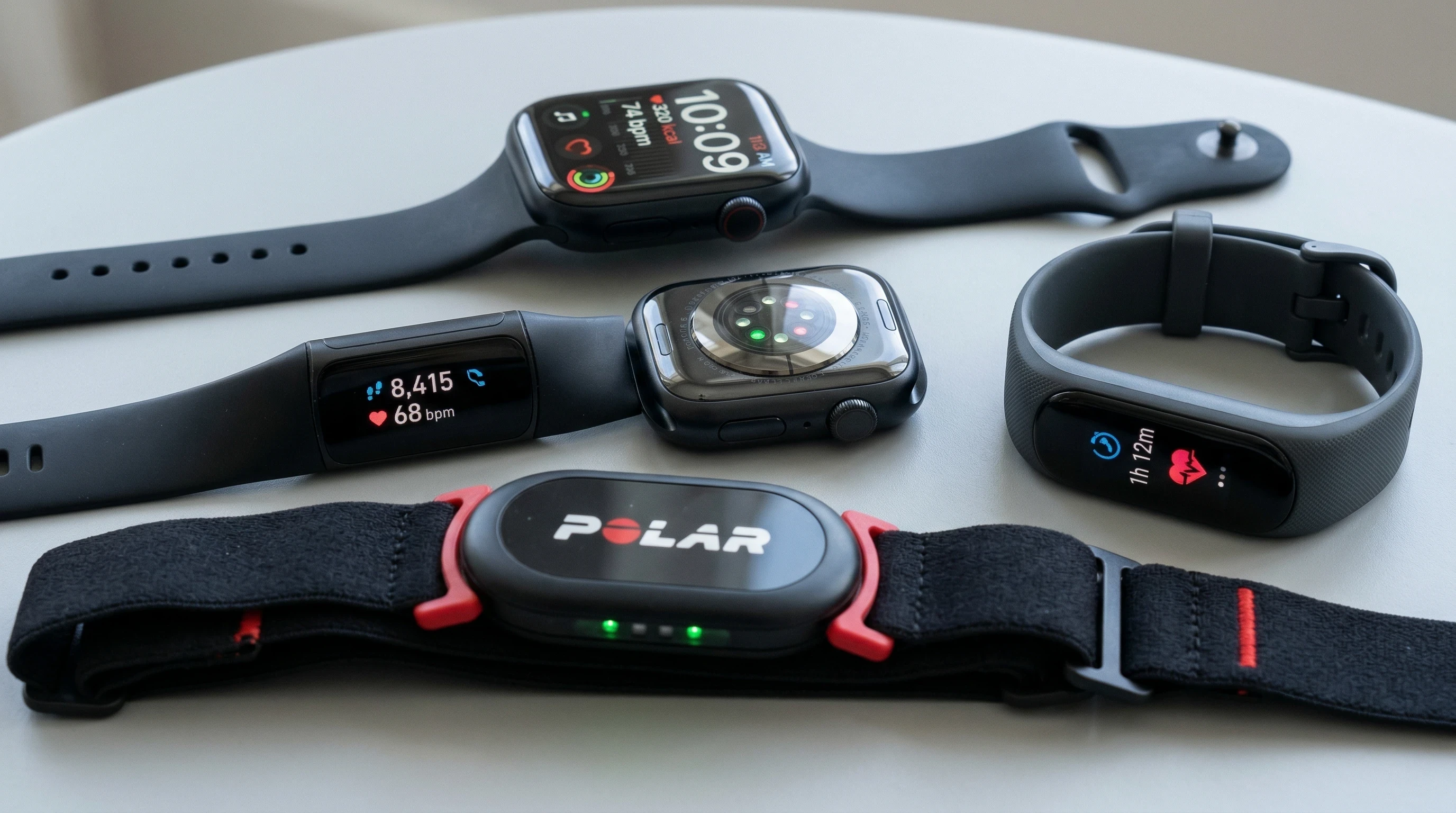
Fitness trackers, smartwatches, and chest straps all use different technologies for heart rate tracking. Optical sensors usually shine a light through your skin and pick up changes, while chest straps measure electrical signals right from your heart. Each option has trade offs, but some brands and models get closer to medical grade data than others. This difference can be especially important for those with specific training goals, medical conditions, or a real love for tracking performance over time. If you’re relying on your device for athletic peaks or health related alerts, accuracy isn’t just nice to have, it’s essential.
Popular Types of Accurate Heart Rate Wearables
The three designs that dominate the heart rate wearable space are:
- Chest Straps: Strap style monitors are the top pick for many athletes and folks who want near perfect accuracy. They track the electrical signals your heart actually makes, very similar to an ECG machine. Because the connection is close to your heart and unaffected by external light, you get very reliable readings, even when you sweat a lot or move quickly.
- Smartwatches: These use optical heart rate sensors (using light to read your pulse), which can be super convenient for daily wear. Advances in sensor design have made the latest models way more reliable than they used to be. Smartwatches are also packed with other features, making them an excellent option for all day tracking and general health.
- Fitness Bands: Slimmer and lighter than smartwatches, fitness bands focus on tracking basics but with enough tech to keep your numbers pretty steady. Some even use multiple sensors to boost performance. If you want a discreet tracker just for steps, calories, and heart rate, bands blend in well with everyday wear.
Features to Look for in Reliable Heart Rate Monitors
When accuracy is top priority, a few features really matter. So, here’s what I recommend checking:
- Sensor Quality: Higher quality sensors pick up on heart rate changes faster and do better as you move or sweat. Double check for newer generation sensors or multi wavelength LEDs. These upgrades genuinely give your readings a boost.
- Ant+ and Bluetooth Support: These let your wearable sync up with third party fitness apps or gym equipment, giving you a more complete picture of your workouts. Some pro level devices even offer memory storage for offline recording during tricky training sessions.
- Data Sampling Rate: Faster sampling means your wearable updates your heart rate more frequently. This comes in handy for interval training or high intensity sessions. If you look closely at specs, higher sampling rates almost always translate to more responsive graphs and better alerts.
- App Ecosystem: A user friendly app tracks long term trends, breaks down data, and sometimes even guides your training based on what’s going on with your heart. Bonus points for apps that provide actionable feedback rather than just a pile of numbers.
- Fit and Comfort: Even the best wearable won’t give you great data if it bounces around or feels awkward, so look for adjustable straps and a comfortable design. Some wearables now offer soft fabric bands or silicone finishes to cut down on irritation during day long wear.
Top 6 Picks for Accurate Heart Rate Monitor Wearables
I’ve tested a bunch of models over the years and talked to a ton of runners, cyclists, trainers, and people just interested in reliable tracking. There are a few standout models. Here’s a closer look at those that really impress when it comes to putting accuracy first.
1.Polar H10 Chest Strap:
Widely considered a legend for accuracy, the Polar H10 uses a super snug strap and advanced sensors to deliver solid results, even during intense sport. I find it’s comfortable for long runs and easy to connect to my phone or training watch. It can even record a workout without a phone nearby, making it a favourite for solo athletes and outdoor enthusiasts.
2.Garmin HRM Pro:
With advanced heart rate analytics and dual Bluetooth and Ant+ support, this model is great for those using various devices. The HRM Pro is built for lasting comfort and keeps its connection strong, even in crowded race environments. The memory function means you won’t lose recorded sessions if you step out of Bluetooth range.
3.Apple Watch Series (Latest Generation):
Apple keeps refining the sensors, and the Series 8 and Ultra deliver amazing accuracy compared to older versions, especially if the band fits right and you wear it just above the wrist bone. I like its spot checks and smooth graphing in the Health app for daily monitoring. With extra fitness features, it’s also great for casual health users seeking motivation.
4.Whoop Strap:
Whoop takes a slightly different approach, focusing on 24/7 data and recovery tracking. Its accuracy has improved with regular firmware updates. The sensor takes frequent readings and the band itself is soft, stretchy, and stays put even through tough workouts. The mobile app delivers detailed trends and recommendations. If you value recovery tracking and all the time wear, Whoop is worth checking out.
5.Garmin Forerunner Series:
The newer Forerunner watches (especially models like the 955 and 265) come with the latest Elevate optical sensors. I use mine for everything from tempo runs to sleep tracking, and it rarely misses a beat. Data syncs fast with Garmin Connect, giving you helpful trend analysis for long term improvement.
6.Fitbit Charge Series (Charge 5 or newer):
Fitbit’s PurePulse tech delivers solid real world accuracy, especially for daily wear and light workouts. It’s easy to forget you have it on, and I’ve found the heart rate reminders and trends handy for pacing my day. The slim build, friendly app, and support for sleep stages make it a perfect fit for new users or those not needing complex workout stats.
If none of the above fit your needs, it’s still worth looking at other major brands like Suunto or Coros, especially if you enjoy activities such as trail running, rowing, or swimming. Different brands may focus on specific activities, so reading the specs for each product is important. No matter the brand, be sure to look for up to date sensor technology for the best in class accuracy.
Overall Heart Rate Accuracy Winner
Polar H10
Garmin HRM Pro
Apple Watch
Whoop Strap
Garmin Forerunner
Fitbit Charge
Making Sense of Technology: How Heart Rate Monitors Work
Most wrist worn trackers and smartwatches use PPG (photoplethysmography). This essentially means shining green LED lights through your skin and measuring how blood flow changes the light bouncing back. The tech inside has gotten way better at filtering out motion and sweat issues, but if you want real precision, chest strap monitors still come out on top since they pick up your heart’s actual electrical activity (ECG).
Some newer wearables add more sensors or combine metrics to build better heart rate estimates. For example, some bands mix in motion tracking so your heart rate data doesn’t get thrown off when you move your wrist a lot. When trying out a new model, check for features like ‘multipoint sensors’ or ‘advanced algorithms’; these usually help boost the accuracy by a lot. New research even points to AI driven algorithms making future wearables even smarter and more responsive.
Things to Consider Before Buying a Heart Rate Monitor
Picking the right model isn’t always about tech specs; it’s about finding the one that fits your lifestyle and goals. The perfect wearable can make a big difference, whether you’re going after a marathon PR, monitoring your stress levels at work, or managing health events after a hospital visit.
- How You Plan to Use It: If you do a lot of HIIT classes or cycling, chest straps are worth considering. For all day use and sleep tracking, a wrist worn model makes more sense. If your goal is more about recovery or keeping an eye on stress during work hours, look for devices that do continuous tracking instead of just spot checks.
- Comfort and Style: Some straps can feel tight or itchy, so it helps to try on different types before deciding. Lighter models are easier for around the clock tracking. With a growing market, you can also find models that come in different colours and designs to match your style.
- App and Ecosystem: If you already use Apple Health, Garmin Connect, or Fitbit’s app, it makes sense to match your device to the system you like. Sticking with a familiar ecosystem makes data syncing seamless and helps you use all the features available.
- Battery Life: Chest straps often last for months on a single coin battery. Smartwatches and bands need more frequent charging, sometimes as often as every day or two, so check what you’re willing to keep up with. If you forget to charge, missing crucial heart rate data can be a real hassle. Some new solar charging wearables are beginning to appear on the market, offering longer run times for outdoor enthusiasts.
- Price: There’s a wide price range, but higher price doesn’t always mean better accuracy. Be sure you’re not just paying for features you’ll never use. Sometimes mid priced wearables outperform expensive models when it comes to just tracking heart rate.
Common Challenges With Heart Rate Wearables
- Fit Issues: Even the most accurate wearable gives bad data if you don’t have a good fit. I’ve learned that skin contact and tightness matter a lot. Too loose and your watch will pick up more motion than your pulse.
- Motion Artifacts: Movement tricks sensors, especially with wrist devices. During weight training or boxing, readings can spike or drop for no reason. Some brands have solved this better than others, but it’s a universal challenge. Testing your device in your most common workout settings can help you spot if any issues pop up.
- Tattoo Interference: Ink and very dark skin tones can make some optical sensors less accurate, though newer models are much better at handling this.
- Battery Drain: All those real time readings use up juice fast, especially when doing GPS tracked workouts with smartwatches. Bring a charger or have a back up plan for long events or trips.
Advanced Tips for Boosting Accuracy
Getting the best out of your wearable means paying attention to setup and how you wear it. Here are a few essentials to keep in mind for top notch accuracy every time you head out.
Wear Placement: For wrist devices, higher up from the wrist bone often grabs a steadier pulse. During workouts, tightening the band by a notch helps keep readings smooth. For chest straps, making sure the strap sits just under the pectoral muscles (flat against the skin) works best.
Regular Sensor Cleaning: Sweat, lotions, sunscreen, or skin oils can block the light sensors, so giving your wearable a wipe now and then makes a difference. It’s an easy habit that can help ensure your device stays accurate over time.
Sync Data With Medical Devices: If you need heart rate tracking for medical purposes, compare occasional readings with a medical grade ECG or pulse oximeter to get a feel for your device’s average error rate. This helps you get reliable numbers day to day and builds your confidence in using the wearable for health monitoring.
Update Firmware Regularly: Wearable manufacturers release updates that fix accuracy bugs or add features. Keeping your device’s firmware updated is an easy way to ensure you’re always using the latest improvements. This is especially important if you’re using less common brands or have recently bought a new model.
Real World Use Cases Where Heart Rate Accuracy Pays Off
- Interval Training: Rapid heart rate swings during sprints or HIIT test any wearable. Chest straps usually react in real time, and the best wrist trackers are starting to catch up. If you like Cross Fit or interval style bootcamps, investing in a premium monitor can really pay off.
- Sleep Tracking: Overnight, wearables note heart rate dips and spikes that hint at sleep quality. Bands like Fitbit Charge and Whoop Track excel here since they’re comfortable for all night wear. Accurate sleep data is popular with people focusing on recovery or stress management.
- Cardiac Rehab: For anyone doing post surgery recovery or managing heart concerns, a reliable wearable helps you stay in the approved training zone. Medical recommendation is to always double check big changes with a doctor. Having a trustworthy wearable offers peace of mind for patients and care teams.
- Mindfulness and Stress Management: Newer devices monitor not just your heart rate, but also heart rate variability. A stat linked to stress, relaxation, and overall wellness. For those interested in meditation or controlled breathing practices, accurate readings can help guide their sessions and keep daily stress in check.
Most Accurate Heart Rate Monitor Wearables Comparison
Polar H10
- Sensor Type Chest Strap ECG
- Accuracy Clinical grade precision
- Battery Up to 400 hours
- Best For Elite athletes and training
- Price Around $90
Garmin HRM Pro
- Sensor Type Chest Strap ECG
- Accuracy Extremely high accuracy
- Battery 12 months
- Best For Running and cycling metrics
- Price Around $130
Apple Watch Series
- Sensor Type Optical wrist sensor
- Accuracy Very good for daily use
- Battery 18 to 36 hours
- Best For Smartwatch health tracking
- Price From $399
Whoop Strap
- Sensor Type Optical sensor
- Accuracy Excellent recovery tracking
- Battery 4 to 5 days
- Best For Recovery and performance
- Price Subscription model
Garmin Forerunner
- Sensor Type Optical wrist sensor
- Accuracy Strong during running
- Battery Up to 14 days
- Best For Running and endurance sports
- Price From $299
Fitbit Charge
- Sensor Type Optical wrist sensor
- Accuracy Good for everyday fitness
- Battery Up to 7 days
- Best For Casual fitness tracking
- Price Around $159
Frequently Asked Questions
Q1: Can smartwatches be as accurate as chest straps?
Answer: New smartwatches come close, especially for steady state cardio, but chest straps are usually still better for quick heart rate changes during intense exercise. For most everyday users, top end smartwatches will be plenty accurate, but hardcore athletes still prefer straps for interval workouts.
Q2: How tight should a wearable be for accurate readings?
Answer: For wrist devices, snug but not constricting is ideal, just tight enough so it doesn’t slide around but won’t cut off circulation or leave marks. For chest straps, secure but comfortable contact to your skin delivers the best results.
Q3: Do tattoos really interfere with measurement?
Answer: Some older wearables struggled with tattoos, but newer models use better sensors and can usually handle them well. If you have heavy wrist tattoos, test a wearable before committing, or go for a chest strap which isn’t affected by ink.
Q4: Is it safe to use a heart rate monitor all day and night?
Answer: Most modern wearables are designed for round the clock wear, but be sure to clean them and your skin regularly to prevent irritation. Take breaks if the device feels uncomfortable, and pay attention to any rashes or redness.
Summary
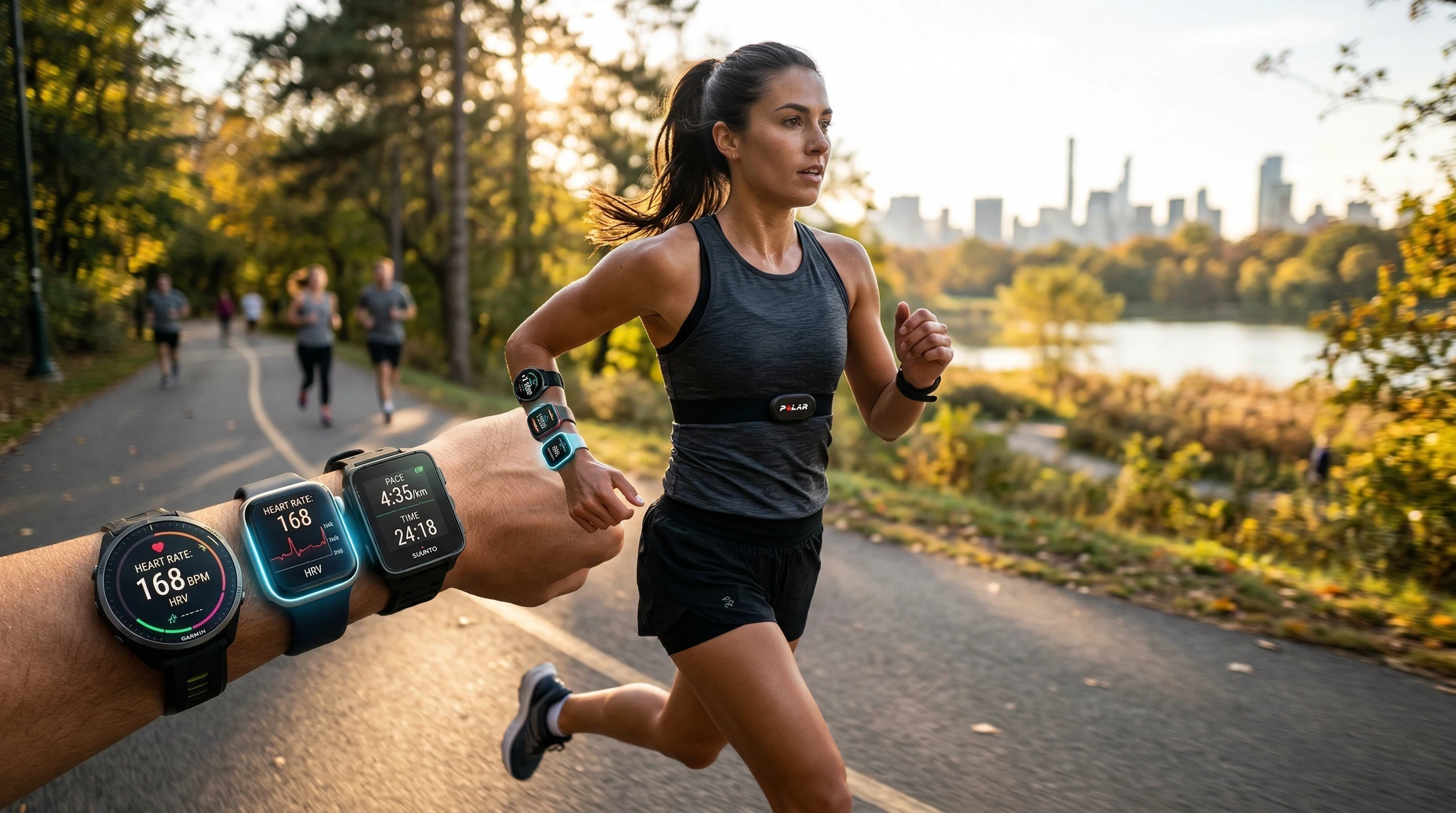
A good heart rate monitor makes tracking your workouts and health progress a lot easier. Whether you lean toward a chest strap for maximum accuracy or just want an everyday band, paying attention to features, comfort, and fit can make all the difference. Reliable heart rate tracking isn’t just about numbers; it’s about keeping your health on track, spotting trends early, and making sure all your efforts pay off.
The right wearable acts as your personal health assistant, letting you set new goals and stay motivated every day. Wrapping up, remember that investing a little time to pick the most accurate heart rate wearable pays dividends in data you can trust, so you can focus on what really matters: living well.
Related Articles
Thankyou
Thankyou very much for taking the time to read this blog post on Most Accurate Heart Rate Monitor Wearables. By reading it, you are really helping our blog to grow and we appreciate that very much.
Please let us know in the comments which type and brand of heart rate monitor wearable you are currently using or plan to buy in the future!
**Here is a bit of transparency. Our website www.vertevia.com does contain affiliate links and Amazon links. So, if you did make a purchase through the website, we may receive a small commission. This is at no extra cost to you whatsoever. It’s just a way for you to support us as we continue to bring you top quality content**
All the best!
Eamon