
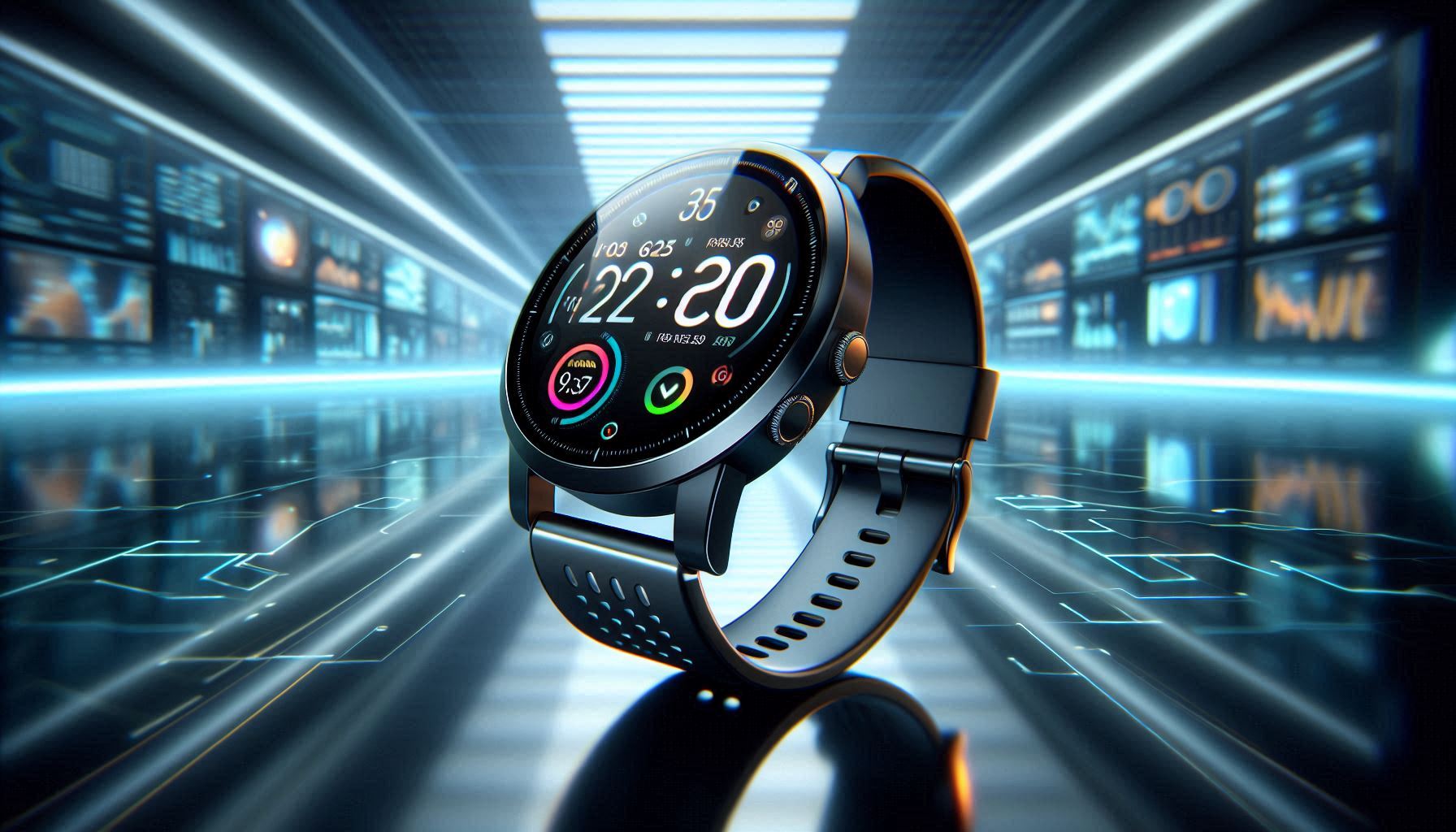
Are you a big Huawei fan? Today, our review article is titled Huawei Watch GT Runner 2: How Will It Perform? If you are a big follower of the latest smartwatches, this article is definitely for you. The world of performance smartwatches continues to evolve rapidly, and expectations for next generation devices are higher than ever.
Runners, endurance athletes, and data driven fitness enthusiasts are no longer satisfied with basic step tracking and heart rate monitoring. They demand precision, intelligent analytics, long battery life, and seamless training integration. Against this backdrop, anticipation for a successor to the original GT Runner is growing.
In this in depth comparison review, we explore how the Huawei Watch GT Runner 2 could perform, what features matter most, how it may compare to the previous generation, and who it is best suited for. We will examine key performance metrics, health tracking capabilities, battery life expectations, pricing in USD and GBP, and potential strengths and weaknesses. You will also find an eight question and answer section, followed by a detailed summary.
This guide is designed to provide authoritative, practical insight for anyone considering investing in a high performance running watch.
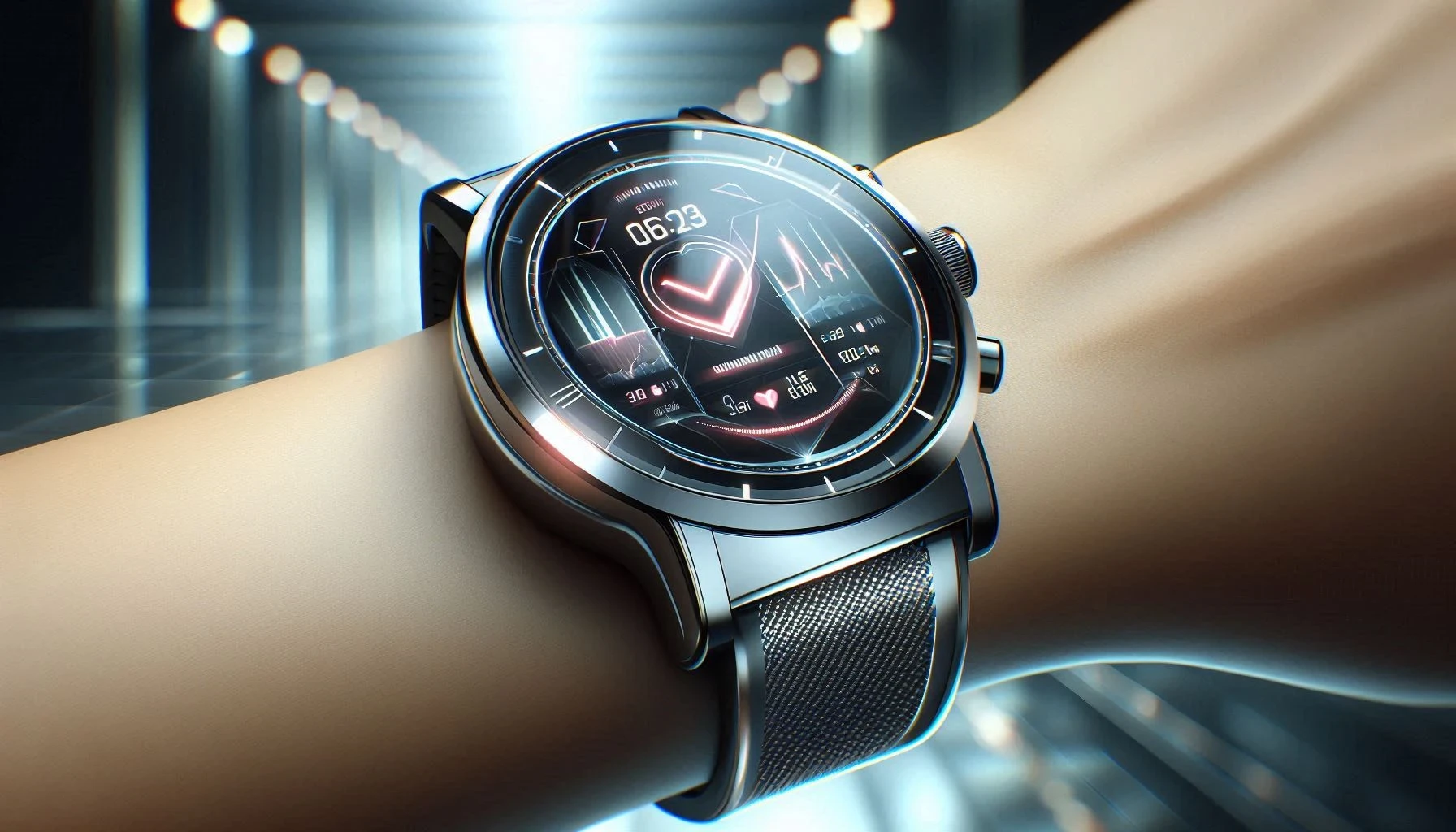
Brand Context And Positioning
Huawei has steadily built a reputation for producing fitness focused smartwatches with strong battery life and advanced health tracking. The original GT Runner was designed specifically for runners, prioritizing lightweight construction, GPS accuracy, and structured training metrics.
The anticipated successor, often referred to as Huawei Watch GT Runner 2, is expected to build upon this foundation. While official specifications may vary, we can analyse performance expectations based on Huawei existing wearable technology such as the Huawei Watch GT Runner and broader models like the Huawei Watch GT 4.
The Huawei approach typically emphasizes strong battery endurance, multi band GPS accuracy, heart rate precision, and structured training support. If these trends continue, the GT Runner 2 is likely to focus heavily on endurance performance optimization.
Design And Build Quality Expectations
Performance watches must balance durability with comfort. Runners require a lightweight device that remains stable during high intensity sessions while maintaining a premium feel.
Lightweight Construction
The original GT Runner weighed approximately thirty eight grams without the strap. If Huawei maintains this focus, the second generation should remain lightweight to reduce wrist fatigue during long runs.
A fibre reinforced polymer case with a ceramic or stainless steel bezel would provide durability while maintaining weight efficiency.
Display And Visibility
A bright AMOLED display with high resolution clarity is expected. Outdoor visibility under direct sunlight is critical for runners. Huawei devices typically offer strong brightness levels and vibrant colour contrast.
Touchscreen functionality combined with physical buttons ensures usability during sweaty or rainy conditions.
Comfort For Long Sessions
Breathable silicone straps with multiple adjustment points are likely. Ergonomic curvature improves wrist contact for accurate heart rate tracking.
Overall, design improvements will likely prioritize comfort and durability for daily wear and extended workouts.
Performance Tracking And Running Analytics
The core strength of any running watch lies in its performance metrics.
Advanced GPS Accuracy
Huawei often integrates multi system GNSS support including GPS, GLONASS, Galileo, and BeiDou. Enhanced signal acquisition and route stability are crucial for accurate distance and pace tracking.
The GT Runner 2 may feature dual band GPS technology to improve signal precision in urban environments with tall buildings.
Pace And Distance Tracking
Real time pace metrics must be responsive and stable. Runners rely on accurate pace data for interval training, tempo sessions, and race simulations.
Advanced cadence tracking and stride length measurement could provide deeper biomechanical insight.
Training Load And Recovery Metrics
Modern performance watches calculate training load based on heart rate and session intensity. Recovery time recommendations help reduce injury risk.
Huawei devices typically offer VO2 max estimation and performance status indicators. These metrics guide users toward structured progression.
Route Planning And Navigation
Turn by turn navigation, breadcrumb trail tracking, and downloadable route maps enhance outdoor training flexibility.
If improved mapping features are introduced, the GT Runner 2 could compete more directly with premium endurance watches.
Health And Wellness Monitoring Features
While performance metrics are central, holistic health tracking adds significant value.
Heart Rate Monitoring
Huawei TruSeen heart rate technology has evolved through multiple generations. Improved sensor arrays and AI driven filtering increase accuracy during high intensity movement.
Continuous heart rate tracking supports zone based training and calorie estimation.
Heart Rate Variability And Stress Tracking
Heart rate variability provides insight into recovery status and nervous system balance. Stress tracking tools measure fluctuations throughout the day.
Guided breathing exercises may be included to support relaxation.
Sleep Monitoring
Huawei TruSleep analysis tracks sleep stages, duration, and interruptions. Sleep quality influences athletic performance and cognitive clarity.
Improvements in sleep tracking accuracy would strengthen recovery insights.
Blood Oxygen Monitoring
SpO2 measurement helps assess oxygen saturation during high altitude training or recovery periods.
Combined with heart rate data, this metric enhances overall health monitoring.
Battery Life And Charging Performance
Battery life remains one of Huawei strongest advantages.
The original GT Runner offered up to fourteen days of typical usage and approximately seven days with heavy GPS use.
The GT Runner 2 is expected to match or exceed this performance.
Expected Battery Performance
- Up to fourteen days in smartwatch mode
- Around seven to ten days with moderate GPS usage
- Fast charging capability with magnetic dock
Extended battery life reduces charging frequency and supports multi day training camps.
For endurance athletes, reliable battery performance is non negotiable.
Smart Features And Connectivity
Although primarily a performance device, smart features enhance daily usability.
Notifications And Calls
Message notifications, call alerts, and quick replies support productivity.
Music Storage
On device music playback reduces reliance on smartphones during runs.
App Integration
Compatibility with Huawei Health platform enables data syncing, training analysis, and performance reports.
Pricing Expectations In USD And GBP
While official pricing may vary at launch, based on historical positioning, the Huawei Watch GT Runner 2 may fall within the following range:
- Estimated USD price between $299 and $399 dollars
- Estimated GBP price between £249 and £349 pounds
Pricing will depend on retailer, storage configuration and material finishes.
This positioning places it competitively against mid to premium running watches while maintaining value relative to feature set.
Pros And Cons Breakdown
Pros
- Lightweight design
- Strong battery life
- Multi band GPS support
- Comprehensive health tracking
- Competitive pricing
- Clear AMOLED display
- Structured training guidance
Cons
- Limited third party app ecosystem
- Potential compatibility restrictions in certain regions
- Advanced analytics may lag behind ultra premium sports brands
- Smaller music storage compared to some competitors
Understanding these strengths and limitations allows buyers to align expectations with usage goals.
Who Is The Huawei Watch GT Runner 2 Best Suited For?
Serious Runners
Athletes who prioritize pace accuracy, distance tracking, and structured training will benefit most.
Marathon And Half Marathon Trainers
Long battery life and recovery tracking make it suitable for extended race preparation cycles.
Fitness Enthusiasts Seeking Data Depth
Users interested in heart rate variability, VO2 max, and sleep analysis will appreciate the metrics.
Outdoor Athletes
Strong GPS capabilities support trail running and hiking.
Those Prioritizing Battery Life
Individuals frustrated by daily charging cycles will value Huawei endurance advantage.
Advanced Running Analytics
Multi system GPS tracking with improved route precision, real time pace data, cadence tracking, and structured training insights designed for serious runners.
Enhanced Heart Rate Monitoring
Upgraded optical sensors deliver continuous heart rate tracking, training zones, recovery insights, and stress monitoring for smarter performance decisions.
Extended Battery Life
Up to 14 days of smartwatch use with fast charging support, ensuring long training cycles without constant recharging interruptions.
Comprehensive Sleep Tracking
Detailed sleep stage analysis and recovery insights help athletes optimize rest, improve endurance, and maintain consistent performance.
Smart Connectivity
Seamless notifications, music playback support, and app syncing provide everyday convenience alongside powerful fitness tracking.
Frequently Asked Questions
Q1. Will the Huawei Watch GT Runner 2 improve running performance
The watch itself does not directly increase physical ability. However, accurate pace tracking, structured training plans, and recovery guidance allow athletes to train more intelligently. Over time, this leads to measurable performance improvements.
Q2. How accurate is the expected GPS performance
Huawei has progressively enhanced GNSS tracking. Dual band support improves signal stability in urban and wooded environments. Accuracy should be suitable for race level training.
Q3. Is heart rate tracking reliable during high intensity intervals
Improved optical sensors and algorithm filtering increase reliability. While chest straps remain gold standard for absolute precision, wrist based monitoring is sufficient for most athletes.
Q4. Can the watch replace a dedicated cycling computer
For casual cyclists, yes. For competitive cycling requiring advanced power meter integration, dedicated devices may still offer deeper analytics.
Q5. How does battery life compare to competitors
Huawei typically outperforms many AMOLED based watches in battery longevity. This remains a strong competitive advantage.
Q6. Is it suitable for beginners
Yes. Structured guidance and intuitive interface make it accessible, though advanced metrics may require learning.
Q7. Does it support strength training tracking
Basic strength tracking is likely included, though running analytics remain primary focus.
Q8. Is it worth upgrading from the first generation
If GPS accuracy, sensor precision, and software enhancements show measurable improvement, upgrading may be justified for serious runners seeking marginal gains.
Performance Comparison With Previous Generation
Compared to the original GT Runner, the second generation is expected to deliver incremental improvements in GPS stability, sensor accuracy, and software refinement.
Battery life will likely remain similar or slightly improved.
Display brightness and processor efficiency may also see upgrades.
The evolution is expected to be performance focused rather than radically redesigned.
Long Term Value And Practical Performance
Over time, consistent training guided by accurate metrics can reduce injury risk, optimize pacing strategy, and improve race outcomes.
For runners who train multiple times per week, data reliability matters.
A watch that combines endurance battery life, reliable GPS, and structured coaching tools supports sustainable athletic development.
Summary
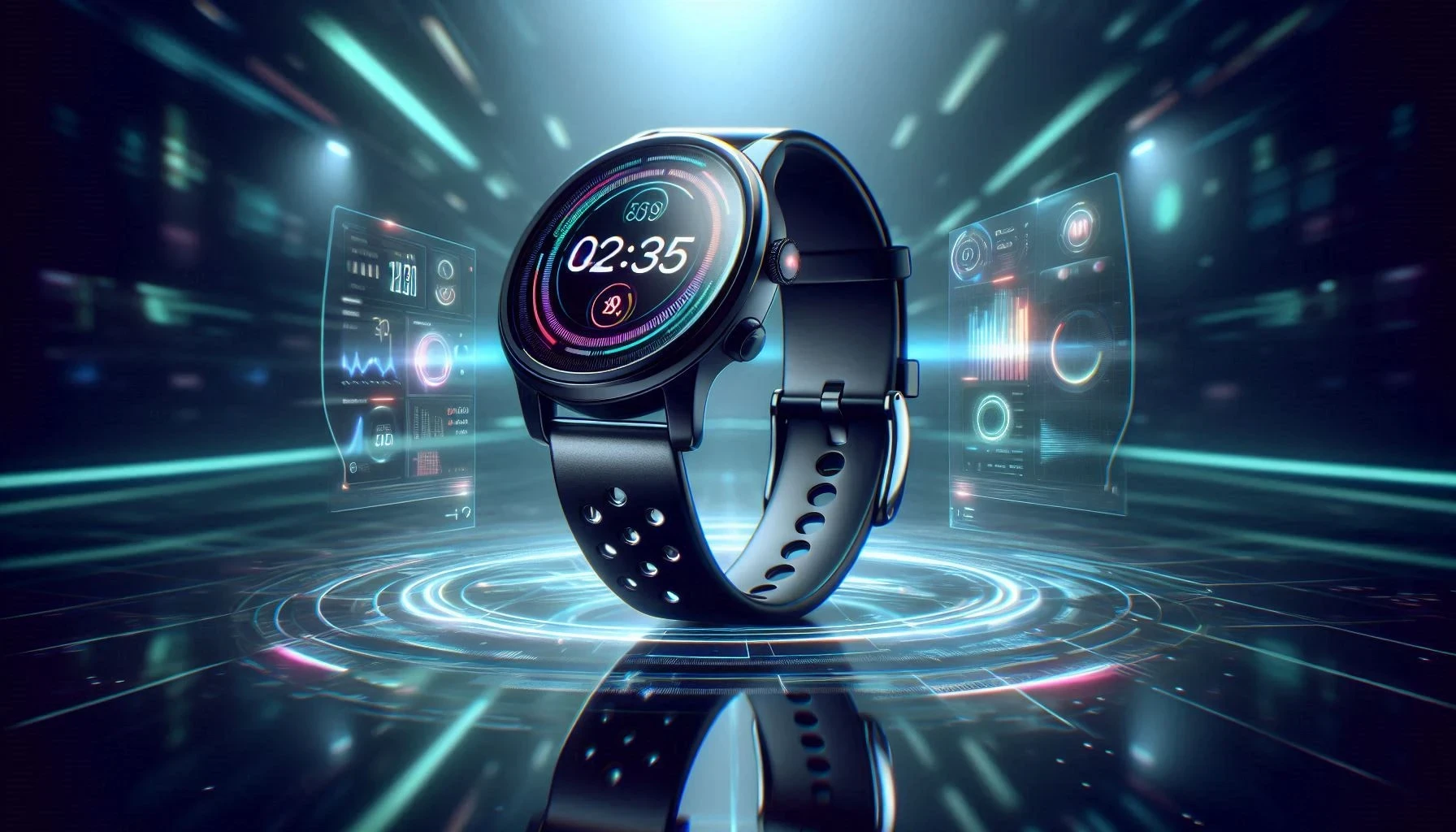
The Huawei Watch GT Runner 2 is positioned to build upon a strong performance foundation. Based on Huawei wearable history, it is expected to offer lightweight construction, advanced multi system GPS tracking, comprehensive health monitoring, and extended battery life.
With anticipated pricing between $299 and $399 dollars in the United States and £249 to £349 pounds in the United Kingdom, it sits within competitive mid to premium performance territory.
Its strengths are likely to include battery endurance, GPS reliability, heart rate tracking, and structured training metrics. Potential limitations may involve ecosystem restrictions and less advanced ultra professional analytics compared to niche endurance brands.
For serious runners, marathon trainees, and data driven fitness enthusiasts, the GT Runner 2 could offer substantial value.
Ultimately, performance optimization depends on consistent application of training insights. If the watch delivers on expected enhancements, it will continue Huawei reputation for combining battery longevity with intelligent training guidance.
For athletes seeking reliable metrics without sacrificing battery endurance, the Huawei Watch GT Runner 2 has strong potential to perform at a high level and remain competitive in the evolving smartwatch landscape.
Related Articles
Many Thanks
Many thanks for reading this review article Huawei Watch GT Runner 2: How Will It Perform? We really do hope that it has given all of the necessary information that you will need to make an informed purchase decision. For some more reading on Huawei wearables, take a look at these related articles above:
If you have any questions at all, please leave them in the comments section below. I will always reply to every message.
**Here is a bit of transparency. Our website www.vertevia.com does contain affiliate links and Amazon links. So, if you did make a purchase through the website, we may receive a small commission. This is at no extra cost to you whatsoever. It’s just a way for you to support us as we continue to bring you top quality content**
All the best!
Eamon