
Welcome to Vertevia and our comparison review titled Huawei Vs Xiaomi: Which Tracks Health Better? If you’re trying to improve your health using a smart device, you’ve probably noticed that Huawei and Xiaomi both offer fitness trackers and smartwatches loaded with health features. These brands are super popular, especially if you want solid tracking without spending lots of cash. When it comes to keeping an eye on your health, is one better than the other?
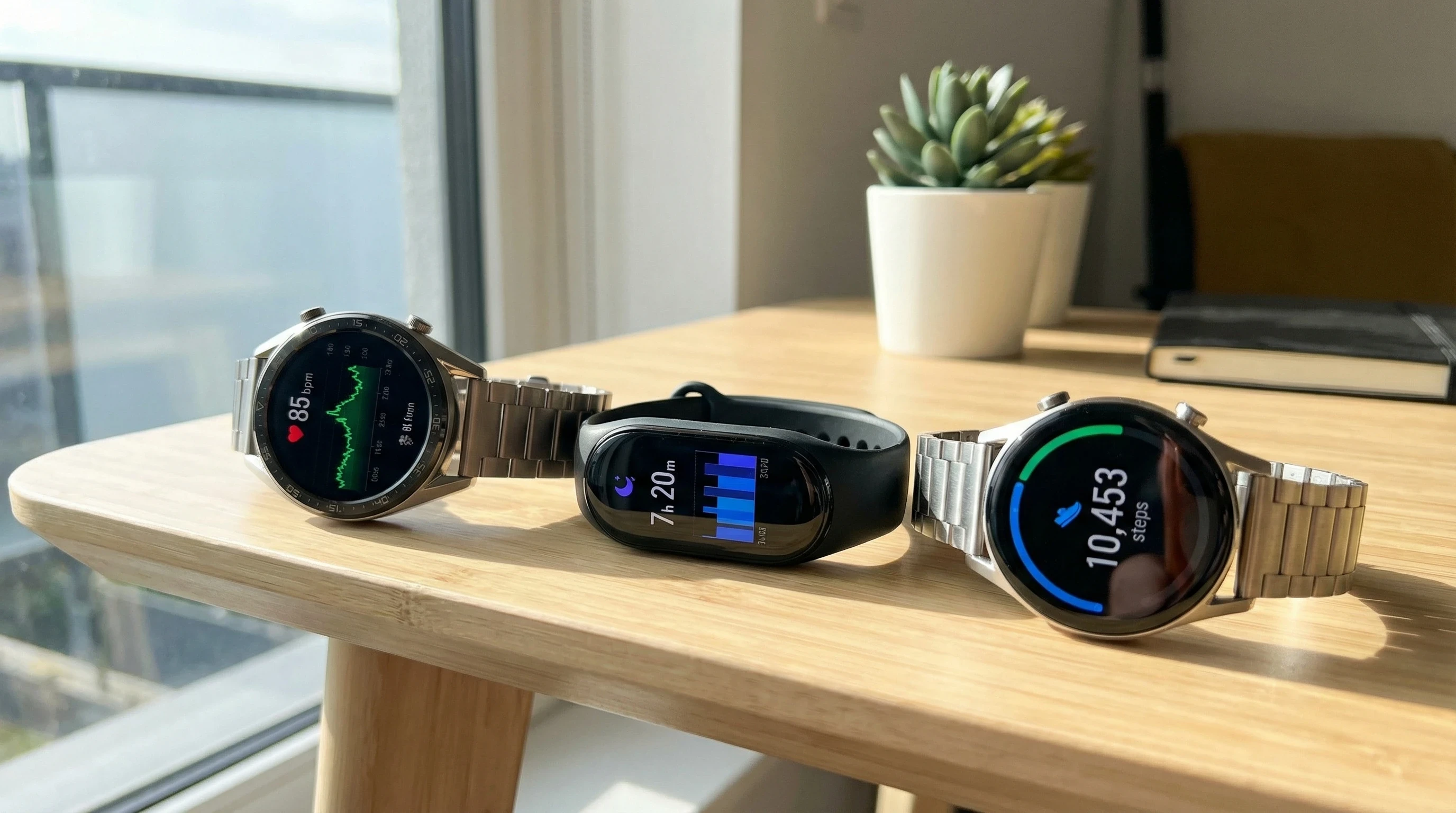
Both Huawei and Xiaomi have built reputations for easy to use apps, reliable hardware, and features that help track everything from runs to sleep patterns. The thing is, they go about health tracking in slightly different ways. That makes picking between them a bit tricky if you’re new to wearables or just want something that gets the job done without any mess.
If you’re wondering how these brands stack up for health tracking, I’ll break down their main features, highlight some unique tools, and share some personal experiences to help you decide which might be a better fit for your goals.
Brand Backgrounds and Eco System Differences
Huawei: Focus on Precision and Research
Huawei is known for its focus on hardware quality and working with medical partners to improve accuracy in heart rate and sleep tracking. The Huawei Health app ties it all together, working smoothly with Huawei phones and often playing nice with other Android devices too. Over the years, I’ve found their watches consistently get software updates and new health features, showing that they really put effort into improving the user experience.
This consistency gives confidence that you’re not left behind when something new comes out. Plus, some of their partnerships move Huawei’s health offerings closer to medical grade accuracy, giving hardcore users an edge when they want deep health insights.
Xiaomi: Value and Community Driven Fitness
Xiaomi leans heavily into affordable, easy to use bands and watches. Their Mi Fitness app (sometimes called Zepp Life) is simple and fairly quick to learn, tracking things like steps, heart rate and sleep with minimal setup. There’s also a big community vibe with Xiaomi, with tons of social features and third party app connections.
If you use other Xiaomi gadgets or want plenty of budget friendly choices, they’re worth checking out. Xiaomi often launches fun challenges and allows you to sync up with friends, adding an extra push if you’re motivated by group progress. The variety of affordable models makes them accessible whether you’re new to fitness or looking for a backup device.
Who Is Each Brand Best For?
Huawei Best Suits
- People who want higher accuracy in health metrics
- Those serious about tracking health changes over time
- Users with Huawei phones for best connectivity
- Anyone wanting regular software and feature updates
Xiaomi Best Suits
- Budget savvy users looking for reliable but affordable health features
- People after simple, quick health tracking
- Those who want playful competition and sharing with friends
- Anyone who mixes and matches different brand gadgets
Huawei vs Xiaomi: Pros and Cons for Health Tracking
Huawei Pros
- High accuracy heart rate and SpO2 tracking
- Sleep and stress tracking feels reliable and detailed
- Strong battery life (especially their higher end watches)
- Clear reports with health trends over time
Huawei Cons
- Some features locked if you do not use a Huawei phone
- The app can feel packed with options, which might overwhelm at first
- Prices are usually a bit higher than Xiaomi’s line
Xiaomi Pros
- Affordable, feature packed basic fitness trackers
- Quick setup with simple daily summaries
- Lightweight design (many models are comfy enough for sleep tracking all night)
- Works well across platforms with plenty of app integration
Xiaomi Cons
- Heart rate and sleep data sometimes less consistent
- Basic health insights might feel limited compared to Huawei
- More premium models sometimes lag behind updates
Main Health Features Compared
Heart Rate Tracking And Sp02 Monitoring
Huawei: Sensors tend to be a step up, with fast readings and decent accuracy even during intense workouts. Features like continuous heart rate tracking and sleep pulse data help spot health patterns you might miss otherwise.
Xiaomi: Most Xiaomi bands also support 24/7 heart rate and spot SpO2 monitoring, but the data can sometimes jump around, especially during workouts. For steady daily use, it covers the basics and keeps you aware of big changes.
Worth Noting: For anyone who takes heart health seriously, I’ve noticed Huawei watches just tend to pick up on trends and small changes better. Across several models, even when running with friends, Huawei devices would catch certain spikes that Xiaomi would sometimes skip. It makes a difference if you’re tracking long term trends.
Sleep Tracking And Recovery
Huawei: Detailed breakdown with light, deep, and REM stages, plus scorecards and advice. Their TruSleep feature even gives little tips to boost sleep quality. I found the smart wake alarm gentle enough for light sleepers.
Xiaomi: Tracks overall sleep time, light and deep stages and sometimes gives a quick quality score. The data is straightforward and easy to read, though it skips the more detailed feedback found on Huawei.
Worth Noting: If my goal was better sleep habits, I’d go for Huawei, but Xiaomi keeps things easy and stress free if you don’t want info overload. The Xiaomi app’s clarity can help you spot simple patterns, which for casual users might be more motivating than a wall of analytics.
Stress and Wellness Insights
Huawei: Monitors stress all day and shows graphs so you can spot patterns. Breathing exercises are built in for guided relief moments.
Xiaomi: Some models offer stress tracking, but the feedback feels limited. Stress tips aren’t a highlight here but you still get daily scores.
Worth Noting: Huawei’s focus on stress data is handy if lifestyle changes are your main goal. And their reminders for taking breaks or breathing help you put changes in action, not just view stats.
Fitness Tracking and Workouts
Huawei: Wide variety of workout modes including guided running, cycling, swimming and more. Their watches track routes via GPS and give solid post workout analysis.
Xiaomi: Good range of basic workout modes, steps and calories burned, with less detail in the workout summaries. GPS is less common on budget bands.
Worth Noting: If outdoor workouts and activity detail are important to you, Huawei usually tracks more info, but Xiaomi covers the basics just fine for everyday exercise. For those wanting just step and calorie counts, Xiaomi wins for simplicity and comfort. For a more focused training session, Huawei offers details that help you level up.
Health App Experience
Huawei Health App: Offers in depth health reports, week by week trends and links up to other health services like Google Fit. The interface is packed but feels rewarding as you learn it. Some users will like checking graphs and getting reminders at specific times.
Xiaomi Mi Fitness/Zepp Life App: Focuses on easy setup, fast syncing and readable widgets for each health metric. Some advanced stats are hidden but daily info is front and centre.
Worth Noting: If you want to track progress and really dig into data, Huawei’s app has more features. Xiaomi’s is just easier to jump into for casual tracking. Xiaomi regularly polishes the interface, making it approachable for anyone not wanting a learning curve.
User Feedback and Reliability
- Huawei: Many users mention stable syncing, dependable sleep and heart tracking and detailed graphs. Some frustration with certain features restricted to Huawei phones pops up now and then. Generally though, people seem happy with how consistently Huawei devices deliver the numbers they need.
- Xiaomi: Tons of positive feedback on pricing, comfort and the simple app. Some reviews call out less reliable sleep scores or occasional Bluetooth dropouts, especially on the lowest cost bands. But those who prefer a no nonsense experience appreciate Xiaomi’s approach.
Overall: Both brands usually meet expectations for their price point, but move in different directions. Huawei is about deeper data and accuracy. Xiaomi goes for friendly design and value, ideal for users who just want to keep on top of their most important stats.
Final Verdict: Which Tracks Health Better?
For truly detailed, reliable health tracking, Huawei does stand out in areas like sleep insights, heart rate accuracy and long term health reporting. If your main goal is getting more out of your health routine and you want rich data, they make it easier to dig in and spot ways to improve. Their smartwatches and fitness bands have become favourites for anyone taking health tracking seriously.
If you want everyday step tracking, better sleep habits and a bit of motivation, Xiaomi offers nearly everything most people need at a lower price. The data is enough for starting out or keeping up basic habits and the app feels really welcoming for beginners. The lightweight feel, ease of syncing and frequent software tweaks make Xiaomi an appealing option for anyone who values comfort and simplicity above feature depth.
- Pick Huawei if you:
- Want deeper and more precise health tracking
- Enjoy checking detailed reports and health suggestions
- Prefer advanced features, even if it means paying a bit more
- Pick Xiaomi if you:
- Just want to track the basics without spending much
- Like a lightweight device for day to night wear
- Want a friendly app that makes daily stats easy to find
Both brands offer something useful depending on the habits and goals you have. If you want more precise health insight, go for Huawei. If simple tracking suits you best, Xiaomi devices are tough to beat for the price and ease of use. No matter which you choose, keeping an eye on your daily stats is a step towards healthier living.
Many Thanks!
Many thanks for reading this review article titled Huawei Vs Xiaomi: Which Tracks Health Better? I really hope that it can help you if you are considering purchasing either of these fitness trackers. For further reading, take a look at these related articles: Garmin Vs Fitbit: Which Is Best For Activity Tracking? Huawei vs Garmin: Which Is Best For Fitness Tracking? Best Fitness Trackers For Under £200 and Best 8 Fitness Trackers For Men And Women.
Please let us know which type and brand of fitness tracker you’re using or considering buying in the comments section below and which activity you would be using it for? The comments section is below this article.
**Here is a bit of transparency. Our website www.vertevia.com does contain affiliate links and Amazon links. So, if you did make a purchase through the website, we may receive a small commission. This is at no extra cost to you whatsoever. It’s just a way for you to support us as we continue to bring you top quality content**
All the best!
Eamon