
This article title is Garmin Vs Fitbit: Which Is Best For Activity Tracking? When it comes to tracking everyday activity, keeping tabs on health and motivating new fitness goals, Garmin and Fitbit are two of the biggest names around. Both brands have built a loyal following and have plenty of gadgets to choose from, but each one brings its own style, features and vibe to the table.
If you’re browsing for your next activity tracker and wondering whether Garmin or Fitbit is a better fit, you’re definitely not alone.
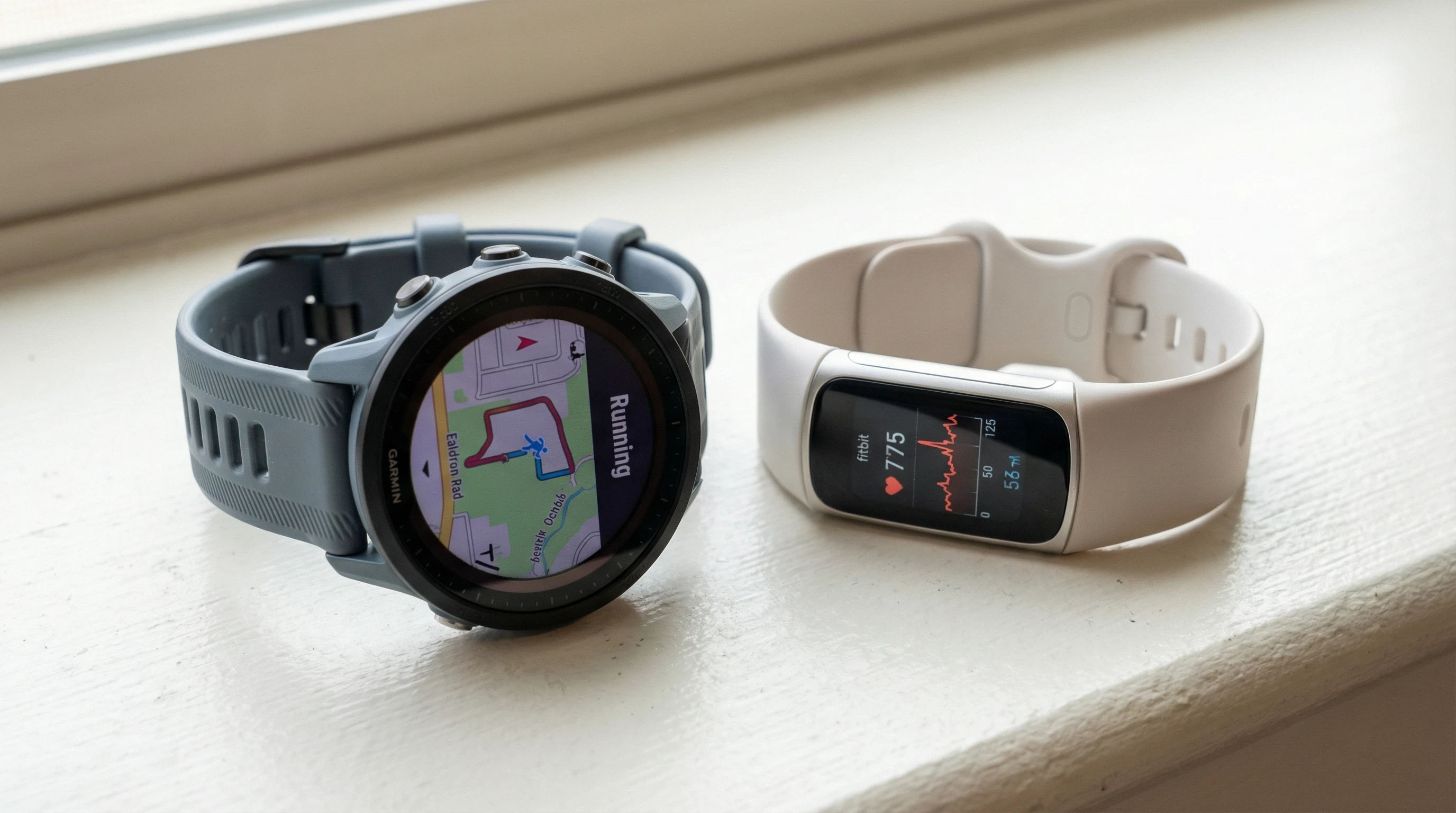
Garmin is popular with runners, triathletes and anyone who takes outdoor adventure seriously. Fitbit, on the other hand, has a long history of making sleek, easy to use trackers for casual fitness fans and people looking to stay on top of daily health habits. If you want to find the tracker that lines up with your lifestyle, I’ve broken down their features, pros and cons and what you should keep in mind while picking between them.
Short Overview: Garmin and Fitbit at a Glance
What Makes Garmin Different?
Garmin has built a name for high quality GPS watches and activity trackers. Most Garmin devices record a variety of activity metrics, such as runs, bike rides, swims, hikes and even sleep, using advanced sensors and multiband GPS. Garmin trackers are pretty rugged and they’re loaded with fitness tools that appeal to athletes and people who love detailed stats. Garmin wearables also pair well with the Garmin Connect app, which gives you a dashboard of health insights and training cues.
Who Is Garmin Best For?
- People training for races or following fitness plans
- Outdoor enthusiasts who want strong GPS accuracy
- Anyone who likes fine tuned health and performance data
Garmin Pros and Cons
Pros:
- Accurate GPS and heart rate sensors
- Long battery life, even on advanced models
- Custom features for specific exercises (like open water swim or golf)
Cons:
- Menu systems can feel complicated
- Some models are bulkier than Fitbits
- Price tags start higher than most entry level Fitbits
What Makes Fitbit Stand Out?
Fitbit made fitness tracking simple and social. Most Fitbit devices are slim, comfortable and built for all day wear. Instead of focusing on marathon running, Fitbit shines in tracking steps, encouraging daily movement and guiding sleep and stress habits. The Fitbit app builds on this with health reminders, friendly graphs and challenges that encourage you to move.
Who Is Fitbit Best For?
- People who want to track activity without a learning curve
- Anyone motivated by wellness badges, streaks, or gentle reminders
- Folks more interested in overall health than nitty gritty workout data
Fitbit Pros and Cons
Pros:
- Sleek, lightweight designs for everyday wear
- User friendly app with motivational tools
- Affordable prices on basic models
Cons:
- Less detailed GPS and athletic tracking
- Premium health reports often require a subscription
- Battery life is shorter on full featured smartwatches
Head to Head Feature Comparison
Activity Tracking Capabilities
Why It Matters: The whole point of an activity tracker is to keep tabs on how much you’re moving and how well you’re living. This covers step count, distance, calories, floors climbed, heart rate, advanced exercise tracking and health monitoring such as sleep and stress.
Garmin: Garmin watches do a great job tracking a huge range of sports. You can go out and log runs with live GPS, monitor heart rate zones during intense rides, or keep tabs on how your body recovers with advanced sleep and body battery readings. Get data on unique activities, for example trail runs, stand up paddle, strength training, or HIIT and in depth post workout summaries.
Fitbit: Fitbit focuses on the daily basics, like steps, calories, floors, heart rate and sleep. Some models include GPS, but it’s not as detailed or reliable for high speed activities. Fitbit is famous for easy to read graphs and activity reminders, so you always know where you stand.
Winner: Garmin for advanced and sport specific features; Fitbit if daily tracking and simplicity is your priority.
GPS and Workout Tracking
Why It Matters: GPS actual distance and pace tracking can be super important if you’re running or cycling outside.
Garmin: Many Garmin devices use built in GPS that locks on quickly and delivers really accurate distance and pace. It’s especially useful for runners, hikers and cyclists who need dependable stats on routes and elevation.
Fitbit: Some Fitbit trackers have connected GPS, so you’ll need your smartphone nearby. Only a few pricier Fitbit smartwatches have built in GPS and even then, the accuracy can fall behind Garmin’s top models.
Winner: Garmin is ahead for outdoor exercise, no question.
Health Monitoring and Wellness Tools
Why It Matters: Smart trackers aren’t just about movement. They now track sleep, heart health, stress and sometimes even skin temperature or blood oxygen levels.
Garmin: Garmin’s health features are pretty robust; think Pulse Ox (blood oxygen), all day heart monitoring, advanced sleep phases, stress tracking, hydration and body battery energy scores. You can see a full report on recovery and overall health readiness.
Fitbit: Fitbit gives a boost with sleep score, resting heart rate, guided breathing, and SpO2 monitoring on newer wearables. With Fitbit Premium, you also unlock wellness reports, mindfulness tools and deeper trends.
Winner: Fitbit is better for straightforward health nudges and simplifying trends; Garmin offers more for those who want in depth data.
Design Comfort and Battery Life
Why It Matters: If a tracker isn’t comfortable or you’re always recharging, you probably won’t use it long term.
Garmin: Garmin offers both chunky rugged watches and midsized options, with battery life that’s impressive on some models (up to several weeks). Even feature packed watches typically last a week with heavy use.
Fitbit: Known for slim, comfy bands and stylish faces, Fitbit’s bands can be worn round the clock. Battery life on basic models can go up to a week, though the smartwatches usually need charging every two to six days, depending on screen time and features.
Winner: Fitbit wins for comfort and subtle style, while Garmin wins for battery on higher end models and outdoor watches.
App Experience and Ecosystem
Why It Matters: Most of your activity gets reviewed in the app. How easy and fun it is can really affect your habit building.
Garmin: Garmin Connect is super detailed and great for anyone obsessed with tracking progress. There’s a learning curve at first, but the customization and deep analysis are welcome once you get used to it.
Fitbit: The Fitbit app is inviting, colourful and built for habit building. It’s hard to top for simplicity, motivation and adding friendly competition with friends. Syncing is dependable and workouts are easy to log or review.
Winner: Fitbit feels friendlier for most, while Garmin goes above and beyond for data hounds.
Price and Value
Why It Matters: Trackers range from around fifty dollars to several hundred, depending on build and features.
Garmin: Entry level Garmin trackers start a bit higher, but you get advanced sensors and premium build with even basic devices. Some of their watches cost as much as a nice phone, but those are aimed at hardcore athletes.
Fitbit: Fitbit offers great value on their basic and midlevel bands. Entry pricing is affordable and even premium Fitbits can be found on sale often. The catch is that Fitbit Premium unlocks the full app experience, which comes with a monthly fee after any included trial.
Winner: Fitbit offers more budget friendly access; Garmin is better value for serious training features if you’re willing to invest.
User Reactions and Brand Reputation
- Garmin: Gets lots of appreciation from athletes and serious fitness fans for performance accuracy and rugged options. Some users mention the devices and apps feel a bit overwhelming at first, especially if you don’t want to tinker with settings.
- Fitbit: Praised for being easy to use and motivating, with tons of positive reviews from people building or restarting fitness habits. Some mention that certain expected features are locked behind a subscription, but overall the vibe is upbeat and friendly toward beginners.
Overall Reputation: Both are trusted and popular, but they speak to slightly different audiences. Garmin fits those hungry for in depth tracking, while Fitbit is the go to for daily health and motivation.
Which One Should You Go For?
Garmin and Fitbit both serve up accurate, reliable activity tracking, but your choice really depends on your routine and what you value in a device.
Pick Garmin if:
- You want lots of workout modes, strong GPS and in depth stats
- You’re training for specific sports or outdoor adventures
- You want the longest battery life for heavy usage
Pick Fitbit if:
- You want something easy, stylish and comfortable
- You’re interested in overall healthy living, not breaking down every workout
- You like the idea of app reminders and social motivation to keep you moving
Summary
Both Garmin and Fitbit are handy for anyone looking to step up activity and check in on health. If you’re a data focused athlete or want detailed workout feedback, Garmin is worth tracking down. If your focus is getting healthier and you want your tracker to be encouraging and simple, Fitbit might be the better choice. Before deciding, it always helps to think about your fitness style, what motivates you and if you want high performance metrics, or a device that just keeps you moving each day.
Thankyou!
Thankyou so much for taking the time to read this article on Garmin Vs Fitbit: Which Is Best For Activity Tracking? I do hope that it has given you enough information to help with your purchasing decision on your next wearable. For further reading, take a look at these related articles: Best Fitness Trackers For Under £200,The Best 7 Wearable Fitness Trackers For Running, How Accurate Is The Oura Ring? Best 6 Smartwatches For Battery Life and Garmin Vs Fitbit: Which Is Best For Running?
Please let us know in the comments which type of wearable health tech device you are currently using or plan to buy in the future and which activity you will be using it for. The comments section is just underneath this article!
**Here is a bit of transparency. Our website www.vertevia.com does contain affiliate links and Amazon links. So, if you did make a purchase through the website, we may receive a small commission. This is at no extra cost to you whatsoever. It’s just a way for you to support us as we continue to bring you top quality content**
All the best!
Eamon