
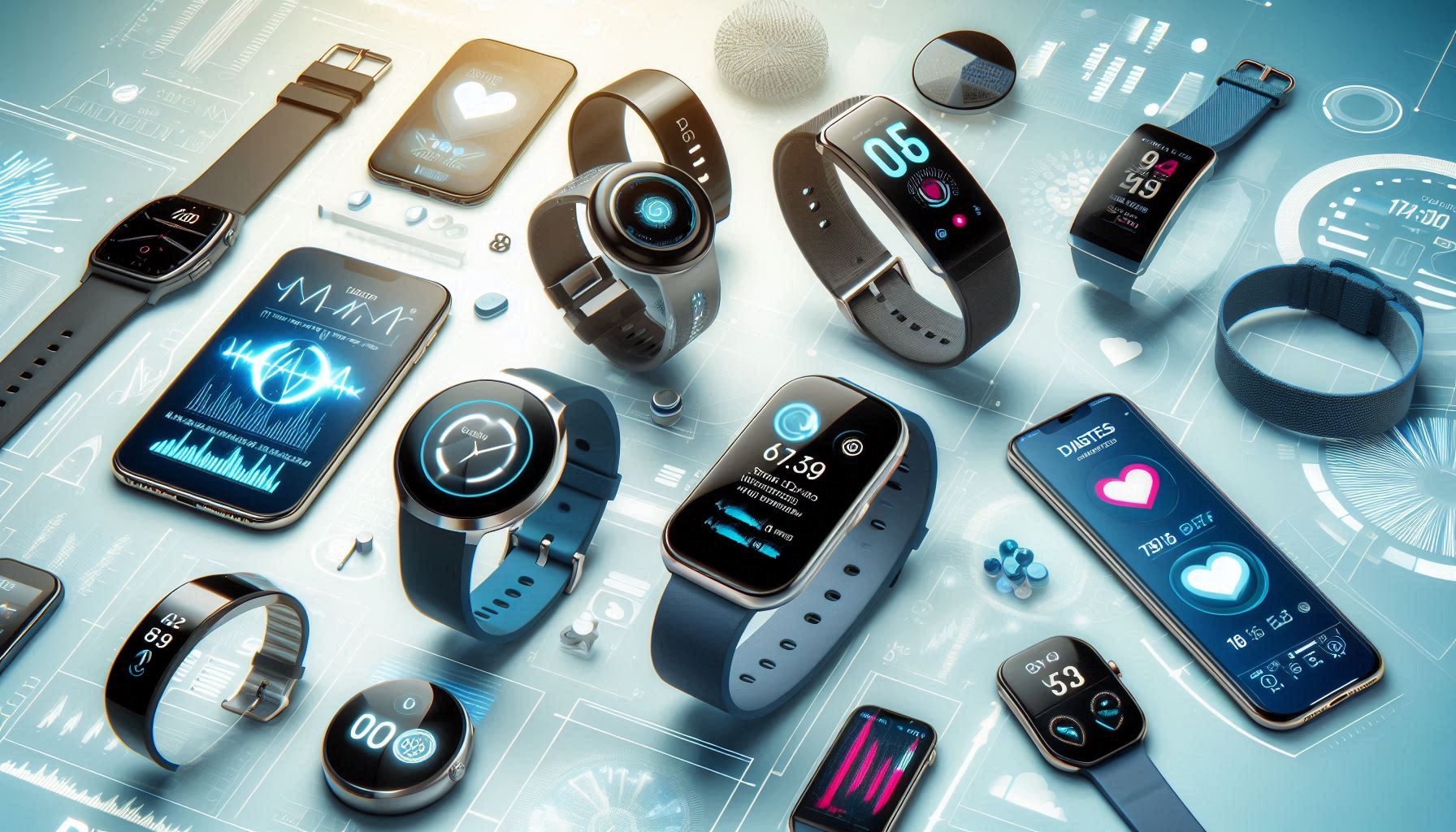
Wearable health tech is something I find really fascinating, especially as it moves beyond just step tracking or monitoring heart rates. One question I get a lot is Can Wearable Health Tech Track Blood Sugar?. Since blood sugar is a huge deal for anyone managing diabetes or keeping an eye on overall health, it makes sense to wonder how far wearables have come.
Here’s my take, looking at what the latest tech can do, what’s in the works, and what you should watch for if you’re curious about giving it a try.
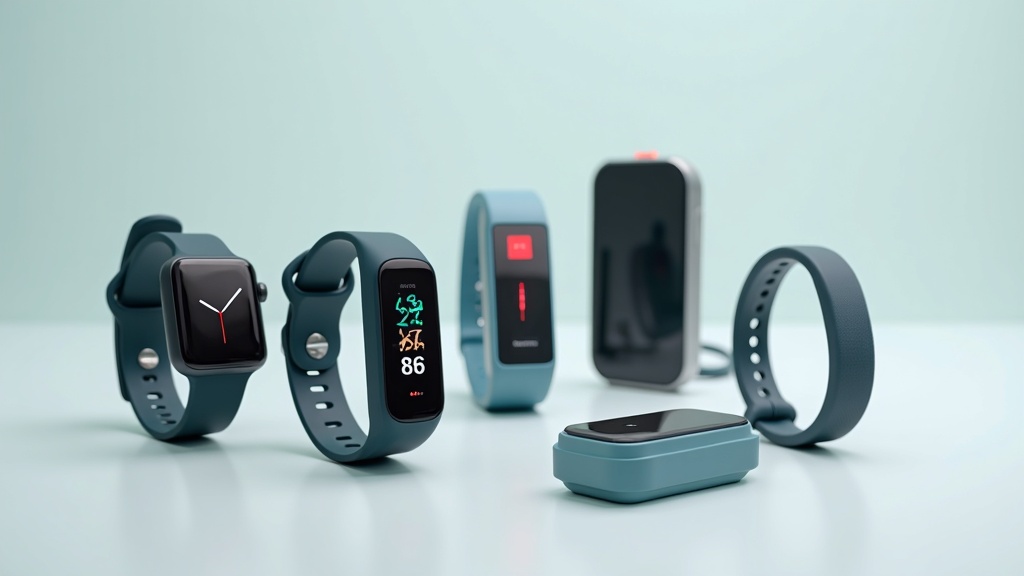
What Is Blood Sugar, And Why Track It?
Blood sugar (or blood glucose) is the amount of glucose in your bloodstream. Glucose is the body’s main energy source, so keeping levels in a healthy range is pretty important. For people with diabetes or prediabetes, monitoring blood sugar regularly is part of life. But even if you don’t have a diagnosis, keeping an eye on your blood sugar can help you spot trends related to exercise, diet, stress, and sleep.
Your blood sugar fluctuates throughout the day, changing after meals, during activity, and even while you sleep. These ups and downs offer insights into how your habits and routines affect your overall well being. Over time, consistently high blood sugar can increase your risk for diabetes, heart disease, kidney issues, and other conditions. That’s why more people are getting interested in tracking these numbers, even before a diagnosis.
Traditionally, people check their blood sugar with finger prick tests or by using continuous glucose monitors (CGMs) that involve a tiny device worn on the skin. With wearables now tracking everything from your steps to your oxygen levels, a lot of people are hoping for a simple smartwatch or fitness band solution for blood sugar, too. This raises the question. Is a non invasive and effortless option right around the corner? Let’s hope so!
How Do Wearable Health Tech Devices Track Blood Sugar?
Most standard wearables, like Apple Watch or Fitbit, do not track blood sugar directly. They don’t have the sensors needed to measure glucose. Blood sugar tracking typically uses one of two methods:
- Continuous Glucose Monitors (CGMs): These devices use a tiny sensor just under your skin, usually on your arm or stomach. The sensor reads your glucose levels in the fluid between your cells and sends results every few minutes to your phone or reader.
- Non Invasive Prototypes: Some tech companies are working on non invasive wearables, which could read blood sugar through your skin using light, sweat, or other bio signals. As of now, these are mainly in testing, and none are widely sold to the public.
The most accurate and reliable wearable blood sugar monitoring comes from CGMs, which still need a sensor beneath or just on top of the skin. That said, some high end smartwatches can connect to a CGM system, so you get your blood sugar reading on your watch face. This technology smooths the way for users to view real time data wherever they are, allowing for quicker decisions.
Popular Blood Sugar Wearables Available Today
If you’re looking for wearable tech that can actually track your blood sugar, here are a couple of devices and systems you’ll want to check out:
1.Dexcom G6 and G7:
These are among the most popular CGMs out there. They provide updated glucose readings every five minutes and work with both smartphones and select smartwatches. You do need a sensor change every 10 to 14 days.
2.Freestyle Libre:
Another widely used CGM, the Libre sensors can be scanned with your phone or linked to compatible devices. There’s almost no finger pricking unless you need to verify a splashy result or calibrate.
3.Medtronic Guardian Connect:
Similar to the Dexcom, this CGM offers real time readings and alerts, with the bonus of predictive alerts based on trends.
I’m seeing more companies building connectivity between smartwatches and CGMs, even though no consumer device can noninvasively monitor your glucose yet. Apple and Samsung have both hinted at research, but no mainstream smartwatch has this feature as of early 2024.
There are also smaller players and start ups entering the scene, working hard to cut down the size of sensors and make connections with more types of smartwatches and smartphones. The goal is to make these devices simpler to use and more comfortable for people at home, at work, or on the go.
How Accurate Are Wearable Blood Sugar Trackers?
Current CGMs are pretty accurate and reliable when used as directed, but they are not perfect replacements for traditional lab testing. Readings may be affected by hydration, sensor placement, or certain medications. All CGM companies recommend checking with a fingerstick if you are getting unexpected results or feel off. For most everyday situations,
I find that CGMs do an excellent job helping people spot trends and avoid extreme highs or lows. Doctors agree that, while not flawless, these devices give a boost to anyone who wants more day to day control over their glucose.
Non invasive tech, if and when it becomes available, will need a lot of testing before it becomes as trusted as traditional CGMs. Early research looks promising, but it’s not ready for prime time yet. So, for those hoping to avoid skin pricks or sensors, I’d still suggest sticking with medically approved CGMs if accurate glucose tracking is important to you.
Steps To Use Wearable Tech for Blood Sugar Management
- Choose a Medical Approved CGM: Start by asking your healthcare provider whether a CGM system is right for you. They’ll help match your medical needs to the best device.
- Set Up With Compatible Devices: If you use a smartwatch, check if it works with your CGM’s app. Dexcom, for example, works with Apple Watch and certain Android watches for real time readings.
- Keep The Sensor Clean: Proper prep and care for your sensor spot helps avoid skin irritation and inaccurate readings.
- Check Your Readings Regularly: Make it a habit to check your glucose readings, and note any patterns related to food, exercise, or stress.
- Follow Up With Finger Sticks As Needed: Your device should never fully replace fingerstick checks, especially when your body tells you something’s wrong.
Learning to use a CGM or other wearable for blood sugar takes a little practice and patience. Write down your readings, reflect on how you feel at different times, and use the data to adjust meals, routines, or medications along with your doctor’s advice.
Things To Think About Before Investing
Getting set up with a wearable for blood sugar tracking isn’t as simple as buying a regular fitness tracker. Here are some things to keep in mind:
- Cost: CGMs can be pricey, and most require new sensors every week or two. Some insurance plans help cover costs, so it’s worth checking.
- Learning Curve: It takes a little time to get into the habit of checking your data, noticing trends, and responding to alerts. But once you’re used to it, it becomes a part of your day.
- Compatibility: If you want your readings to show up on your smartwatch, check if your model is supported.
- Medical Recommendations: Always talk to your healthcare team before switching how you monitor your blood sugar. They can help you understand what’s safe and effective for your situation.
Insurance and Accessibility
Insurance coverage for CGMs has improved, especially over the past couple years. Many plans cover them for people with Type 1 diabetes or those on intensive insulin treatment. A few are opening up to people with Type 2 diabetes too. I recommend calling your insurance company or asking your doctor’s office for help steering through the approval process. They often have tips for streamlining paperwork, or know what documentation will move things along more quickly.
Non Invasive Tech: What’s Coming Soon?
A lot of people are excited about the promise of true non invasive blood sugar monitors. Companies are testing devices that might use light, sweat, or other signals to give a painless glucose reading. Some say these could change everything for people tired of skin inserts. Realistically, this tech is still being refined. None of the options available today are as accurate or reliable as they’ll need to be for health decisions.
I’d keep an eye on news from Apple, Samsung, and Abbott for updates. When these next gen non invasive sensors become more reliable, they could bring blood sugar monitoring to a much wider range of people, even those who just want to track their daily health for prevention.
What Else Can Wearables Do For Blood Sugar Management?
Even if your smartwatch can’t track glucose directly, it can help you manage your health by tracking related factors. For example:
- Activity Tracking: Exercise affects your blood sugar, and keeping tabs on your activity levels helps you spot patterns.
- Heart Rate: Unusual changes can sometimes tip you off to a high or low blood sugar event.
- Sleep Tracking: Poor sleep can raise stress hormones, which in turn affect blood sugar.
- Reminders: Most smartwatches allow you to set medication reminders or nudge you for meals and hydration, which can help keep your blood sugar in check.
Using all these tools together can create an all in one feedback loop, helping you make smarter choices throughout the day. Many people find that seeing their exercise, sleep, and reminders on the same device as their glucose readings makes daily management smoother and less stressful.
Frequently Asked Questions
Here are some quick answers to questions I hear most often about wearables for blood sugar.
1.Can my Apple Watch or Fitbit track blood sugar by itself?
Not directly! Right now, they don’t have blood sugar sensors built in. They can show readings if you pair them with a compatible CGM.
2.Are there any smartwatches that measure blood sugar noninvasively?
No widely available consumer smartwatches can do this yet. Some are in development, but nothing has hit the mainstream market as of mid 2024. 2025 should see that change!.
3.How accurate are wearable CGMs?
CGMs are pretty accurate for watching trends, and most folks find them really helpful, but finger sticks are still needed to confirm out of range readings.
4.Does insurance cover wearable blood sugar monitors?
Lots of insurance plans help cover CGMs, especially for people with Type 1 diabetes. Coverage for other conditions is getting better, so it’s worth checking with your plan.
5.Can wearables prevent diabetes?
No device can prevent diabetes on its own, but monitoring your health with wearables can help you spot signs early and make lifestyle changes if needed.
6.What should I watch for when picking a CGM or wearable?
Look at cost, insurance coverage, device compatibility, and ease of use. Talking to your doctor or diabetes educator helps you choose what works best for you.

Conclusion
Concluding this article, wearable health tech is pushing forward fast. While most smartwatches can’t quite track blood sugar without a sensor yet, big steps are being made and new devices are hitting the market each year. If you want more control and insights into your health, especially your glucose, you have more options than ever, and there’s plenty to keep your eye on as the technology grows.
Our Thanks!
Many thanks to you for reading through this article on the subject of Can Wearable Health Tech Track Blood Sugar? We hope that you have found it helpful with your search for a suitable wearable health tech device. Have a look at our blog! There are lots of really helpful and informative article on a whole range of wearable health tech topics. You might like our related articles which are titled Best 3 Continuous Blood Oxygen Wearable Rings, Best Wearable For Diabetes Monitoring and Best 6 Wearables For Manging Chronic Conditions.
Please let us know in the comments which type of wearable health tech device you are currently using or plan to buy in the future! The comments section is just underneath this article!
**Here is a bit of transparency. Our website www.vertevia.com does contain affiliate links and Amazon links. So, if you did make a purchase through the website, we may receive a small commission. This is at no extra cost to you whatsoever. It’s just a way for you to support us as we continue to bring you top quality content**
All the best!
Eamon