
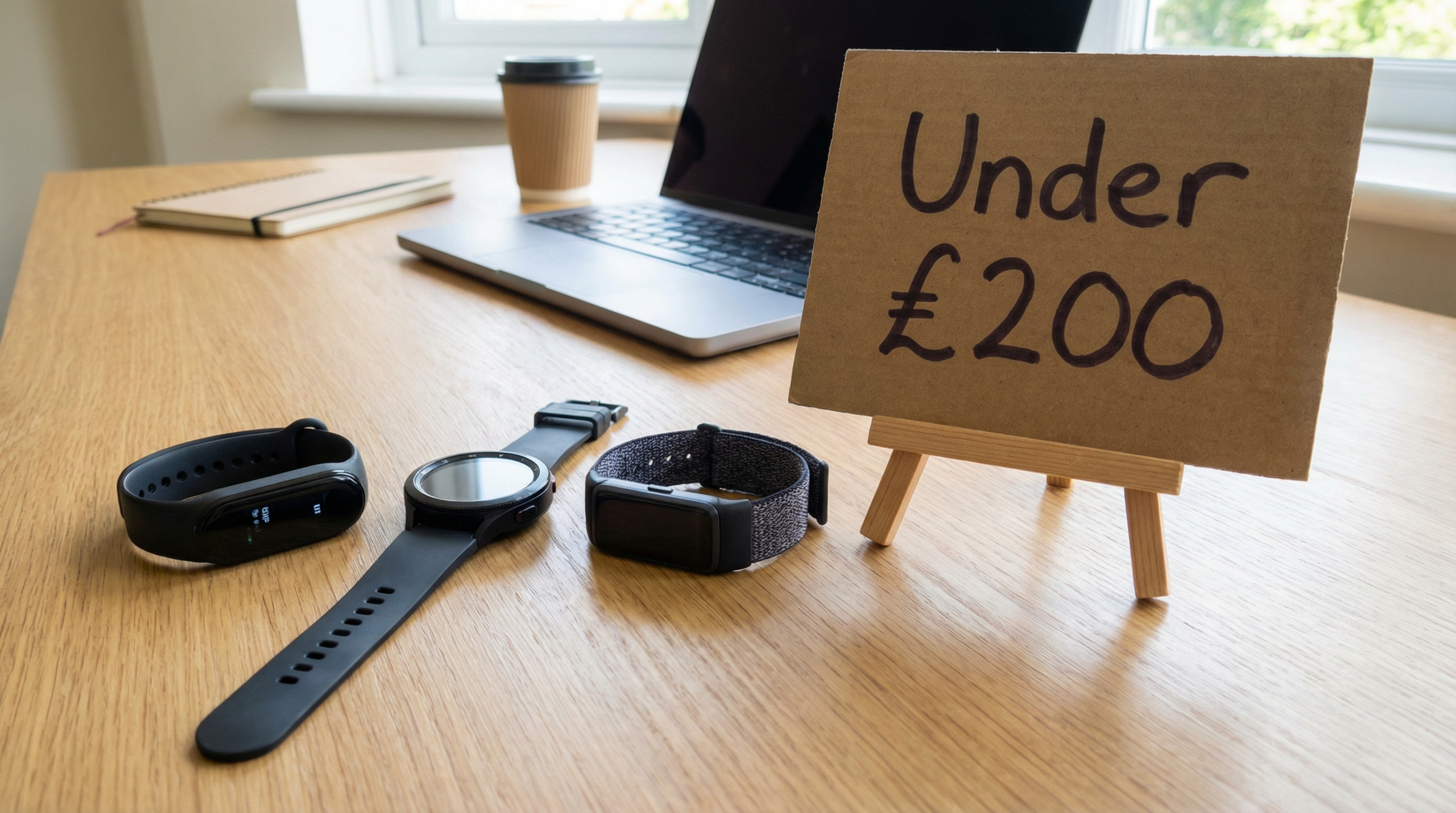
What are the Best Fitness Trackers For Under £200? Fitness trackers have totally switched up how people keep up with their health goals. For anyone looking to get more active, sleep better, or just get a sense of their daily habits, a tracker on your wrist can be super helpful.
Also, you don’t need to spend a huge amount to get a device with the sensors and stats you’ll actually use. Here, you’ll find my take on the best fitness trackers you can buy for under £200, plus what features to look for and a few tips for picking the right one.
Why Fitness Trackers Are Worth Checking Out
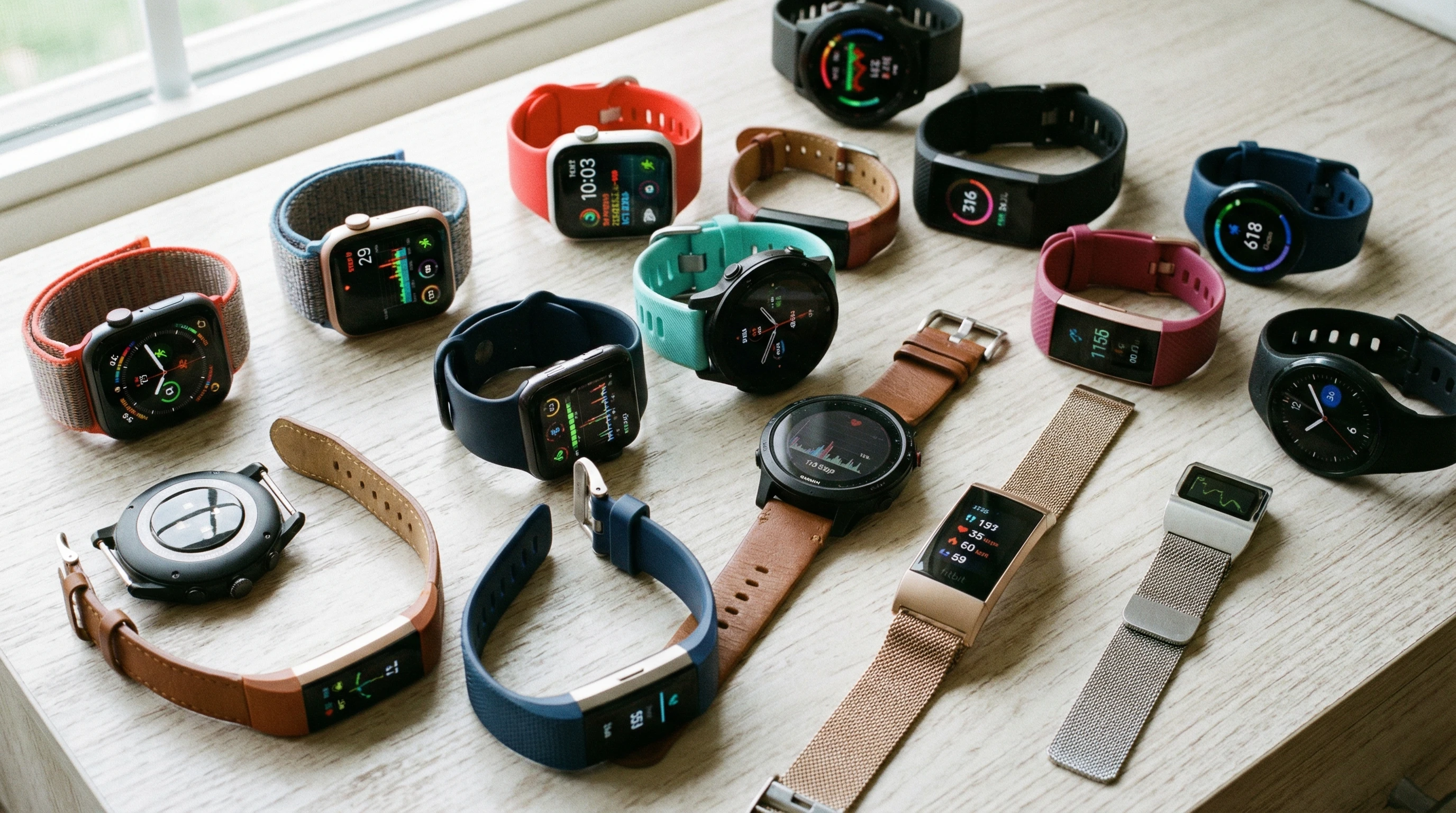
Fitness trackers have gone from being basic step counters to smart devices that measure heart rate, track workouts, monitor sleep patterns and even check stress levels. This means you can get a good overview of your overall wellbeing right from your wrist. Many brands keep prices accessible, so even if you’re on a budget, you can find something that works well and doesn’t compromise on the basics.
With more people interested in tracking their health trends, the market for these devices is huge. Brands like Fitbit, Garmin, Xiaomi and Amazfit have packed advanced tech into models priced under £200. It feels like just about anyone can get in on the trend without worrying about breaking the bank. Plus, many of these brands are constantly updating their offerings, making sure that features like more precise sensors and longer battery life keep getting better.
Main Features to Look for in a Fitness Tracker
Before you choose a fitness tracker, it helps to know which features matter the most for your lifestyle. Here’s a quick rundown of the details that make or break the experience:
- Accurate Step Counting: Most trackers get steps right, but the best ones are consistently close to what you’d count yourself.
- Heart Rate Monitoring: Built in heart rate sensors help you monitor your exertion during workouts and even spot patterns over time.
- Sleep Tracking: Automatic sleep tracking shows you how long and how well you’re sleeping, including estimates of deep sleep or REM stages.
- Water Resistance: Plenty of trackers handle sweat, rain and even swimming.
- Battery Life: Getting less charging time and more daily wear counts for a lot, especially on busy schedules.
- Workout Modes: Different activities, like running, cycling, or HIIT, can be set so your stats match your workouts.
- Easy App Integration: Syncing your data with your phone or other fitness platforms makes it easy to check trends or share with friends.
Some trackers also include things like SpO2 monitoring (blood oxygen), menstrual cycle tracking, built in GPS, or even on device music controls. Think about what fits your daily routine or goals. If you want to measure your oxygen levels or keep track of your menstrual cycle, more trackers now provide these functions as standard, even at this price point. This makes them great for people paying attention to specific areas of their health beyond just steps and calories.
Best Fitness Trackers Under £200: My Top Picks
I’ve checked out loads of trackers in this price bracket. Here are some that often deliver the best mix of reliability, accuracy, and ease of use:
- Fitbit Charge 5: One of the most popular options for all round activity tracking. The screen is bright, with good touch response and you get reliable heart rate monitoring, an ECG app for heart health and built in GPS to map runs without your phone. Battery life is about 7 days in normal use.
- Garmin Vivosmart 5: This tracker keeps things simple but accurate. Great for everyday movement, sleep monitoring and stress tracking. While the display is narrow, readings are easy to glance at and notifications from your phone come through clearly. The battery lasts up to 7 days, depending on how much tracking you do.
- Xiaomi Mi Band 7: If you want tons of features for a low price, this band delivers. It tracks an impressive range of activities, offers up to 2 weeks of battery life and can even push notifications from your phone. The colour screen is clear outdoors and inside.
- Amazfit Band 7: This lightweight band covers daily basics, has a decent coloured display, tracks sleep, activity and blood oxygen and supports a huge range of sports modes. The price, long battery life, and simple app make it pretty accessible.
- Huawei Band 8: Another budget friendly tracker with a sharp screen, automatic activity recognition and solid heart rate and SpO2 sensors. The design is slim and you get around 2 weeks of battery with typical use.
Each of these options offers a good mix of smart features without being too complicated. Whether you’re aiming for better sleep, increased daily steps, or just getting a sense of your fitness levels, there’s something for nearly every goal. It’s worth pointing out that while the Fitbit Charge 5 and Garmin Vivosmart 5 excel in smart connectivity and reliable sensors, options from Xiaomi and Amazfit can be real bargains with loads of sport modes and strong battery life. The choice depends on what matters most to you.
How to Match a Fitness Tracker to Your Daily Needs
Choosing the right fitness tracker is mostly about your personal habits. If you’re big on running or biking, built in GPS saves hassle, meaning you don’t need a phone to map your routes. For swimmers, a waterproof tracker with proper swim tracking makes a big difference. If sleep is your focus, check out trackers known for detailed sleep breakdowns and comfort overnight.
Notifications, call alerts and music controls can be helpful, especially if you want to stay connected on the go. Some trackers link with digital wallets for contactless payments, but most features worth having are already covered by the sub-£200 devices listed above. It’s also wise to think about your usual clothing style or wrist size. Thinner, lighter bands can be more comfortable, especially overnight or during long workouts. Some trackers even offer customisable watch faces for a bit of personal flair.
Key Things to Think About Before You Buy
- Compatibility: Make sure the tracker works with your phone’s operating system before you buy. Some models don’t play smoothly with iPhones or Android phones.
- Replaceable Bands: Swapping out bands quickly is nice for both comfort and style as you wear your tracker more.
- Display Visibility: See if the screen is easy to read in sunlight as well as indoors. Some cheaper models fade out fast outdoors.
- Build Quality: The way a tracker feels on your wrist can make a real difference for daily or overnight wear.
- Data Privacy: Check what kinds of data the brand collects and whether you’re comfortable with their privacy terms.
Also, research app support. Check to see whether your chosen tracker easily syncs with favourite apps like Google Fit or Apple Health. This helps keep all your data in one place and you can even share stats with healthcare professionals if needed. Make sure customer support is easy to reach and don’t forget to read user reviews for feedback on common issues or hidden perks.
Battery Life
Battery life varies a lot, even among trackers in the same price range. If you hate charging every day, aim for trackers that go a week or more without plugging in. Features like always on displays or continuous SpO2 monitoring do drain battery a bit quicker, so just keep that in mind. The Xiaomi Mi Band 7 and Huawei Band 8, for instance, are great picks if charging less is a priority for you. Be mindful that tracking GPS or streaming music can quickly shorten time between charges.
Tracking Accuracy
No tracker is perfect, but devices from the bigger brands tend to give you data that’s pretty close to what you’d get from high end models. Heart rate tracking is good during everyday use and light activity, while some wrist based monitors might lag behind chest straps for intense workouts. While the Fitbit and Garmin models generally have reliable sensors, if exact numbers matter to you for training, a chest strap sensor might still be worth considering for pairing with your tracker.
App Experience
The app can make or break your tracker experience. Look for simple layouts and easy ways to find your stats and see trends. Fitbit and Garmin both have smooth apps with easy ways to check out the details and most trackers can sync with third party platforms like Strava or Apple Health. Good app support not only keeps you motivated but also allows you to set challenges and connect with friends for that extra boost. Some apps can even give you insights about improving your routine, like optimising sleep or getting reminders to move during long stretches at a desk.
Extra Features Worth Checking Out
Some of my favourite extras in this price range include:
- Stress Tracking: Measures your body’s response to stress using heart rate variability. Super useful for people interested in mindfulness or relaxation. This kind of tracking can help you spot days when it’s best to take it easier.
- Guided Breathing Sessions: Helps you unwind after a busy day, right from your wrist. Useful for quick reset moments throughout the workday.
- Menstrual Cycle Tracking: Loads of trackers now offer this, which is helpful for planning training schedules.
- Find My Phone: Comes in handy more often than you might think. This feature is a real time saver for anyone who regularly misplaces their phone.
Other niche features, like weather updates, camera controls, or custom alarms, might also show up on some trackers. If these small details would brighten up your experience, make sure to scan the specs before buying.
Frequently Asked Questions About Budget Fitness Trackers
Here are answers to some common questions about fitness trackers under £200:
1.Which tracker is best for everyday use?
The Fitbit Charge 5 and Garmin Vivosmart 5 are both solid choices for tracking steps, heart rate and sleep, while handling notifications smoothly. They’re comfortable enough to wear all day and night. Amazfit and Xiaomi bands are great lesser priced alternatives with loads of features.
2.Can I use these trackers for serious training?
Yes. For running, cycling, or even swimming, most of the trackers listed above handle workout stats, route maps if GPS is built in, heart rate zones and rest metrics well enough for enthusiastic amateurs. While not “pro” level, they’re reliable for getting fitter and tracking progress regularly.
3.Are cheaper trackers durable?
The build quality has improved a lot on budget friendly models from brands like Amazfit, Xiaomi, and Huawei. As long as you treat your device with care, you should get plenty of life out of it. Swapping bands and using a case can keep your tracker looking newer for longer.
4.How well do fitness trackers handle smart notifications?
Most show calls, messages and app notifications. You usually can’t reply directly, but you can see who’s contacting you at a glance without grabbing your phone. Higher priced models sometimes include limited replies for texts, depending on the phone used.
Getting the Most from Your New Fitness Tracker
After you pick your device, try wearing it for about a week to get used to how it feels and how it interprets your movement. Use the companion app to set up goals, check out health trends and tweak notification settings so you only get pings you care about.
Take time to explore the different tracking modes. It’s surprising how a bit of experimentation can help you get more out of even the basics, like step counts and sleep stats.
Tracking your progress over time can keep you motivated and might even help you catch early signs of stress or fatigue before they slow you down. So, you’re not just getting handy tech for your wrist, but also setting up a healthier, more informed routine.
If you make a habit of reviewing your weekly trends and set realistic, achievable targets, pretty soon you’ll notice real changes in your daily energy and motivation. Remember, the key is to stick with it and adapt the settings or tracking modes until it fits naturally into your lifestyle.
Thankyou!
Thankyou so much for taking the time to read this article on the Best Fitness Trackers For Under £200. I really hope that it has given you the right information so that you can make an informed purchase decision. For further reading, take a look at these related articles:
Best 8 Fitness Trackers For Men And Women – The Best 5 Fitness Trackers For Seniors
The Best 5 Fitness Trackers For Swimming – Oura Ring Vs Fitbit: Which Fitness Tracker Wins?
Please let us know which type and brand of fitness tracker you’re using or considering buying in the comments section below and which activity you would be using it for?
**Here is a bit of transparency. Our website www.vertevia.com does contain affiliate links and Amazon links. So, if you did make a purchase through the website, we may receive a small commission. This is at no extra cost to you whatsoever. It’s just a way for you to support us as we continue to bring you top quality content**
All the best!
Eamon