
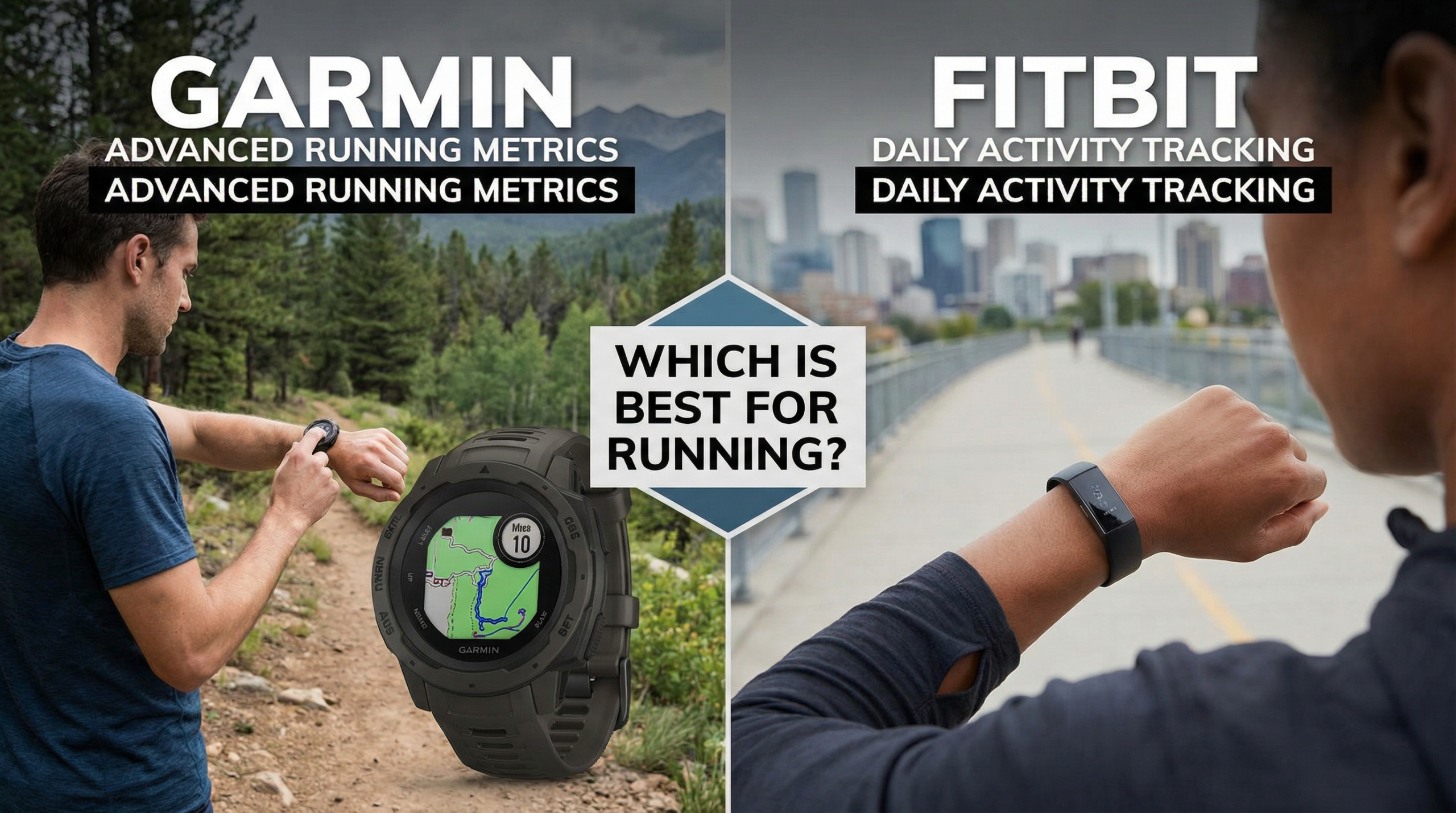
Welcome to Vertevia.com and our comparison article titled Garmin Vs Fitbit: Which Is Best For Running? Tracking running has changed everything about how people train and stay motivated. Fitness trackers have come a long way and right now, Garmin and Fitbit are two of the main brands runners compare.
Both are packed with handy tech, but figuring out which is the right fit can take some digging. I want to try to help make that choice easier, especially if running is high on your list of priorities.
Garmin is pretty popular with serious runners and those looking to dig into advanced running data. Fitbit, on the other hand, is friendly for beginners and focuses a bit more on everyday activity, health and a clean design that fits any style.
Runners at every level ask which to buy, so I’ve broken down everything that actually matters, from features to value, to help you decide which device might help you hit those PBs (personal bests) and feel good doing it.
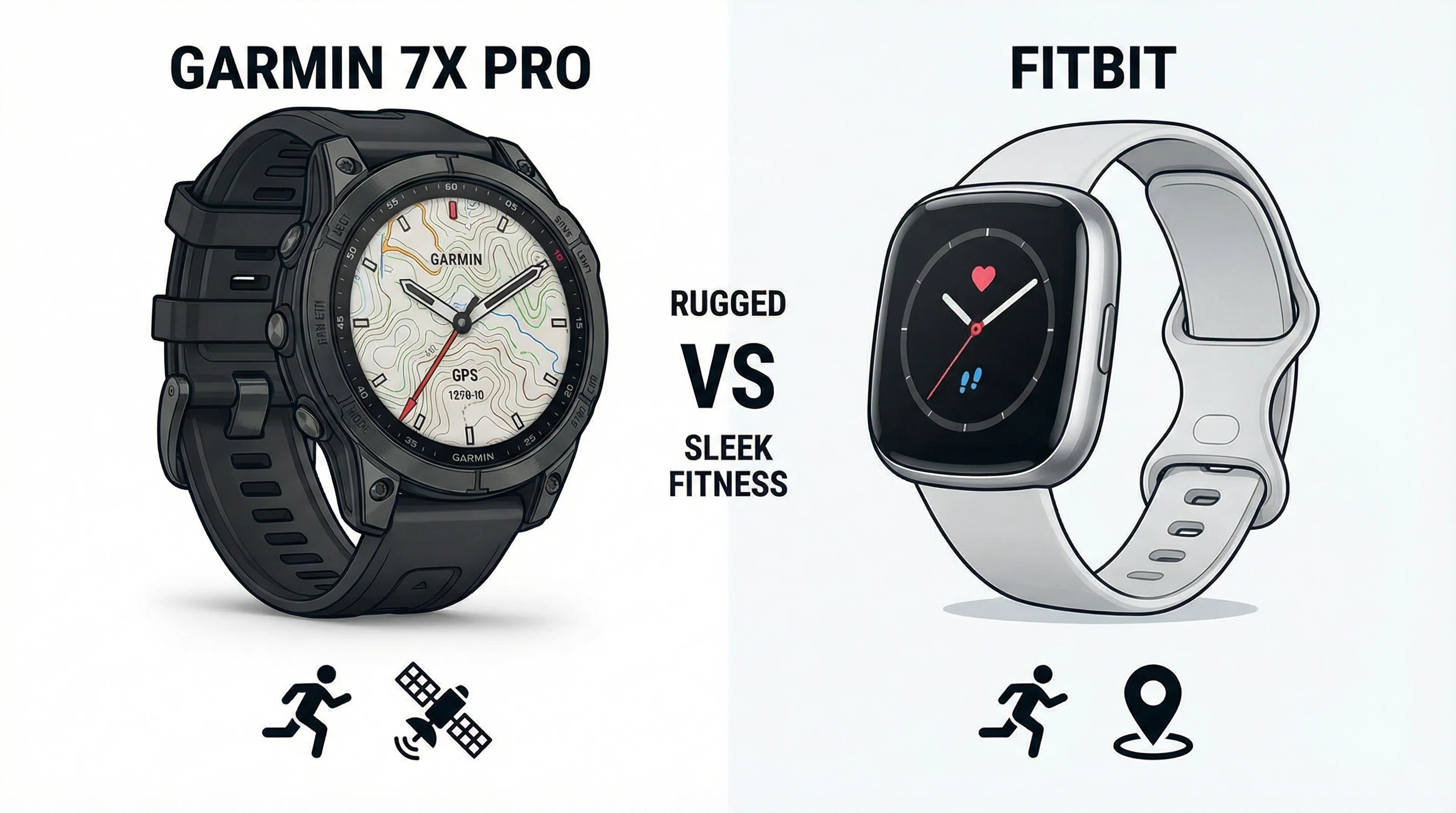
Brand Overviews
What Is Garmin?
Garmin makes fitness watches and trackers loaded with GPS and tons of tracking features. Runners have long flocked to Garmin for its accuracy, reliability and deep running stats. Most Garmin watches are built for people who want a lot of data, from pace and stride to training status and even race predictions. These watches are also well known for their long battery life and rugged design.
Who Should Consider Garmin?
- Dedicated runners who want deep workout data
- Trail runners, marathoners, or anyone training for races
- People who want built in GPS that works anywhere, even without a phone
Garmin: Pros and Cons
Pros:
- Very accurate GPS and pace tracking
- Strong analysis with VO2 max estimates, recovery advice and training load
- Long battery life even with GPS running
- Many models are water resistant and built for tough conditions
Cons:
- Pricing sits at the higher end, especially for the high tech models
- Some devices have a steeper learning curve
- Design can feel sportier or bulkier than some people like
What Is Fitbit?
Fitbit offers fitness watches and trackers that are super easy to use, making health tracking pretty straightforward. While Fitbit started with step counters, their watches now track runs, walks, sleep and even offer guided breathing sessions. Fitbit shines at helping people stay active and form healthy daily habits. Recent models have GPS built in, so you do not always need your phone for run tracking.
Who Should Consider Fitbit?
- People new to running or those who want light, simple tracking
- Anyone focused on daily wellness and all around activity
- Runners who care about design and want something that goes from the track to the office
Fitbit: Pros and Cons
Pros:
- Simple to set up and use
- Comfortable, slim designs
- Emphasizes whole health tracking (sleep, steps, heart rate, stress, and more)
- Fitbit app is super user friendly
Cons:
- GPS and run metrics are not as detailed as Garmin
- Battery life is shorter, especially with GPS on
- Some advanced features require a subscription
Running Features Compared
GPS Accuracy And Performance
Why it matters: Runners rely on accurate GPS for distance, pace, and route details.
Garmin: Uses its own high precision GPS, which works well even on wooded trails, in cities, or remote areas. It supports GLONASS and Galileo satellite systems for better coverage. I’ve noticed my Garmin rarely loses a signal and my pace data stays consistent.
Fitbit: Most newer models do have built in GPS, but older or lower end Fitbits use ‘connected GPS,’ so you need to carry your phone. The accuracy is decent for city and suburban runs but occasionally gets shaky in dense forests or cities.
Winner: Garmin for standalone GPS accuracy and reliability.
Run Metrics And Analysis
Why it matters: Tracking data after a run can help you see progress and adjust your training.
Garmin: Offers detailed metrics including cadence, stride length, vertical oscillation, elevation gain, and advanced heart rate stats. Many watches provide race predictions and even measure your training load and recovery time.
Fitbit: Tracks essential running stats like steps, heart rate, calories and distance. Newer models can map your route and give pace splits, but detailed stats like VO2 max, training effect and recovery advice are more basic.
Winner: Garmin for runners who like depth and advanced analysis. Fitbit covers the basics pretty well.
Ease Of Use
Why it matters: If a fitness watch is simple, you’ll actually use it.
Garmin: Some learning is needed to master all the data and menus. Once you’re set up and save your favourite activities, runs start with just a couple of taps. Older models feel more button heavy, while touchscreens on newer models help a lot.
Fitbit: Very beginner friendly, with clear screens and menus. Setting up runs is quick and the Fitbit app offers gentle encouragement without information overload.
Winner: Fitbit for simplicity. Garmin works best if you’re willing to tweak a few settings.
Battery Life
Why it matters: Nobody wants a dead watch mid run.
Garmin: Many models last a week with regular use and around 8 to 20 hours in GPS mode, depending on the model. For marathon training, I go days between charges.
Fitbit: Most models span 4 to 6 days for daily use, but heavy GPS tracking drains the battery in 5 to 10 hours.
Winner: Garmin for runners needing longer or more frequent GPS sessions.
Training Guidance And Metrics
Why it matters: Built in coaching, performance feedback, and motivation help you stick with training.
Garmin: Higher end models feature guided workouts, running dynamics, heart rate zone alerts and even live course navigation for races. There are tools like the Garmin Coach, which adapt to your fitness over time.
Fitbit: Offers guided coaching and reminders to move, but running specific advice is lighter. Some training plans are there with Fitbit Premium, but the focus leans toward general fitness.
Winner: Garmin for motivated runners looking to take their training up a notch. Fitbit gives nice nudges for starting out.
App Experience and Ecosystem
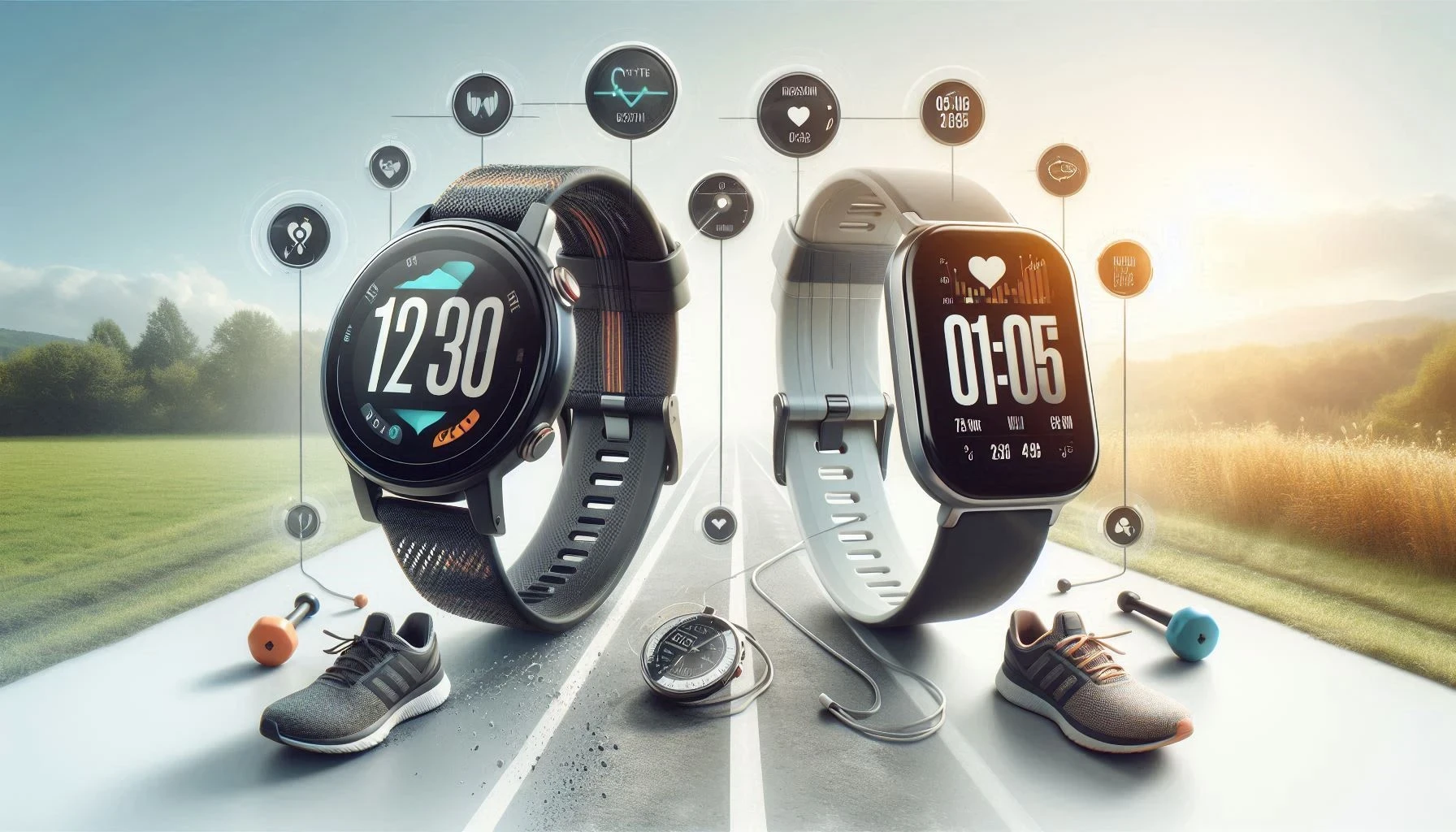
Garmin Connect and the Fitbit app are both easy to sync with a smartphone. Garmin Connect goes deep, giving training load status, goal progress, social sharing and even third party app integration for advanced planning (like Strava and TrainingPeaks). Most serious runners love how much review and customization they get.
The Fitbit app feels more welcoming when you first open it. Fitbit’s focus is on wellness and small victories, daily step streaks, badges and social competitions. For run planning, it gets the job done, but it is more about nudging users into regular activity than coaching toward faster race times.
Health Tracking and Lifestyle Features
Both Garmin and Fitbit track heart rate, steps, calories burned and sleep. Fitbit adds extra wellness features like stress management, breathing exercises, menstrual health tracking and a slick sleep score system that is easy to understand. If keeping tabs on your stress, sleep and daily movement is key, Fitbit nails it.
Garmin has some wellness features as well, like Pulse Ox and Body Battery (a tracker for energy throughout the day). Its watches also work well for cycling, swimming and even golf. You can use many Garmin watches for music control, smartphone notifications and payment via Garmin Pay. The app support is a bit more limited compared to Apple or Google devices.
Price and Value
Choosing between Garmin and Fitbit often comes down to budget. Garmin watches built for runners (like the Forerunner line) often start higher in price, but even the entry level models deliver excellent GPS and running features. Some Garmin watches with premium features can be a bigger investment.
Fitbit’s prices range from affordable to midrange. Entry level models are budget friendly and perfect for beginners, while more advanced ones still cost less than most Garmin watches. Some advanced features, like detailed sleep reports or workout guidance, require a Fitbit Premium subscription, which costs extra each month.
User Reviews and Community Reputation
- Garmin: Runners love the accuracy, long battery life and granular tracking. Complaints usually come from the more tech heavy interface or premium pricing. Trail runners and marathoners often say they would not switch to anything else.
- Fitbit: Owners like the comfortable fit, stylish looks and engaging app. Most feedback is positive, especially from those just starting with running or people tracking a range of health goals. Battery life and limited GPS can be sticking points for more advanced runners.
Overall Reputation: Both brands have loyal followings, but Garmin wins with serious runners. Fitbit is a favourite for anyone looking for a friendly, wellness first tracker.
Which Device Should Runners Choose?
Both Garmin and Fitbit can make tracking your runs easy and rewarding, but they suit different types of runners.
Pick Garmin if you:
- Are training for races or want to dig into data
- Care a lot about GPS accuracy and battery life
- Want advanced features like VO2 max and deep running analytics
Pick Fitbit if you:
- Are just starting out with running
- Care more about overall health and wellness tracking
- Want a device that looks great with every outfit
No matter which you choose, having a tracker on your wrist adds some fun and motivation to running. Garmin is perfect for those wanting depth and performance, while Fitbit is solid if you want easy wellness tracking that covers running and daily life. Try one out for a week if you can. It’s the easiest way to see which fits your running style and daily routine best.
If you’re still not sure, check in with friends or local running groups to see what works for them. The right tracker might even give a boost to your motivation over the coming months and with so many features packed in these days, you’ll likely stumble upon one or two you can’t run without. Either way, you can’t go wrong. These devices help runners make steady progress and have more fun along the way.
Thankyou!
Many thanks for taking the time to read this article on Garmin Vs Fitbit: Which Is Best For Running? I hope that it has given you the right information to help you make an informed purchase decision. For further reading, take a look at these related articles: The Best 5 Fitness Trackers For Swimming, The Best 7 Wearable Fitness Trackers For Running, Garmin Vs Apple Watch: Which Tracks Stress Better? and Best Wearable For Diabetes Monitoring.
Please let us know in the comments which type of wearable health tech device you are currently using or plan to buy in the future! The comments section is just underneath this article!
**Here is a bit of transparency. Our website www.vertevia.com does contain affiliate links and Amazon links. So, if you did make a purchase through the website, we may receive a small commission. This is at no extra cost to you whatsoever. It’s just a way for you to support us as we continue to bring you top quality content**
All the best!
Eamon