
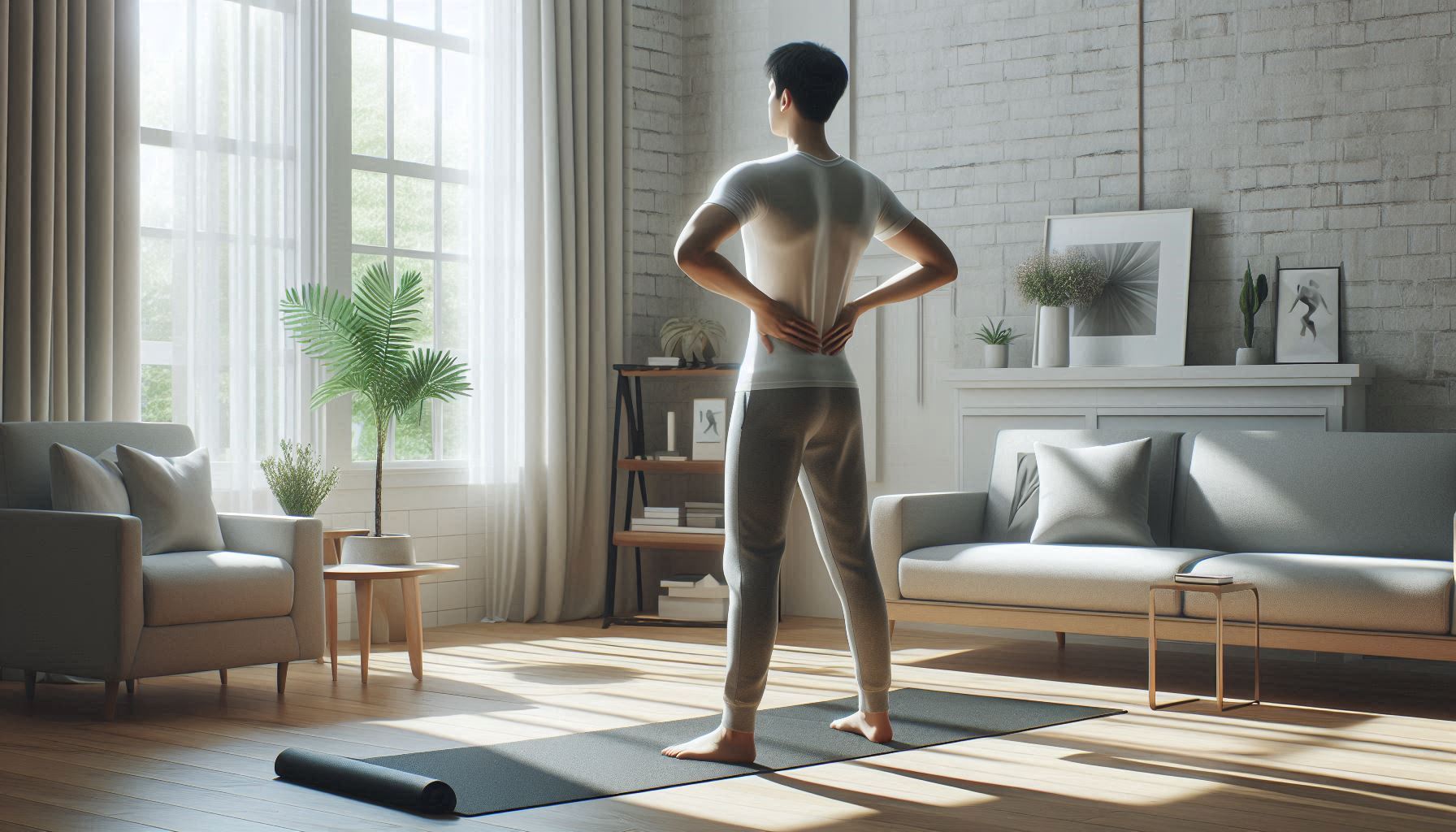
Welcome back to all of our readers past and present. This article is titled 5 Best Posture Correction Exercises At Home. Poor posture has quietly become one of the most common health challenges of modern life. Long hours at desks, constant phone use, limited movement, and weak posterior muscles all contribute to rounded shoulders, forward head position, tight hip flexors, and lower back discomfort.
Over time, poor alignment does more than affect appearance. It influences breathing efficiency, joint stress, circulation, muscular balance, and even confidence levels.
The good news is that you do not need expensive equipment or a gym membership to improve posture. With the right corrective exercises, performed consistently at home, you can retrain muscles, restore alignment, and reduce discomfort.
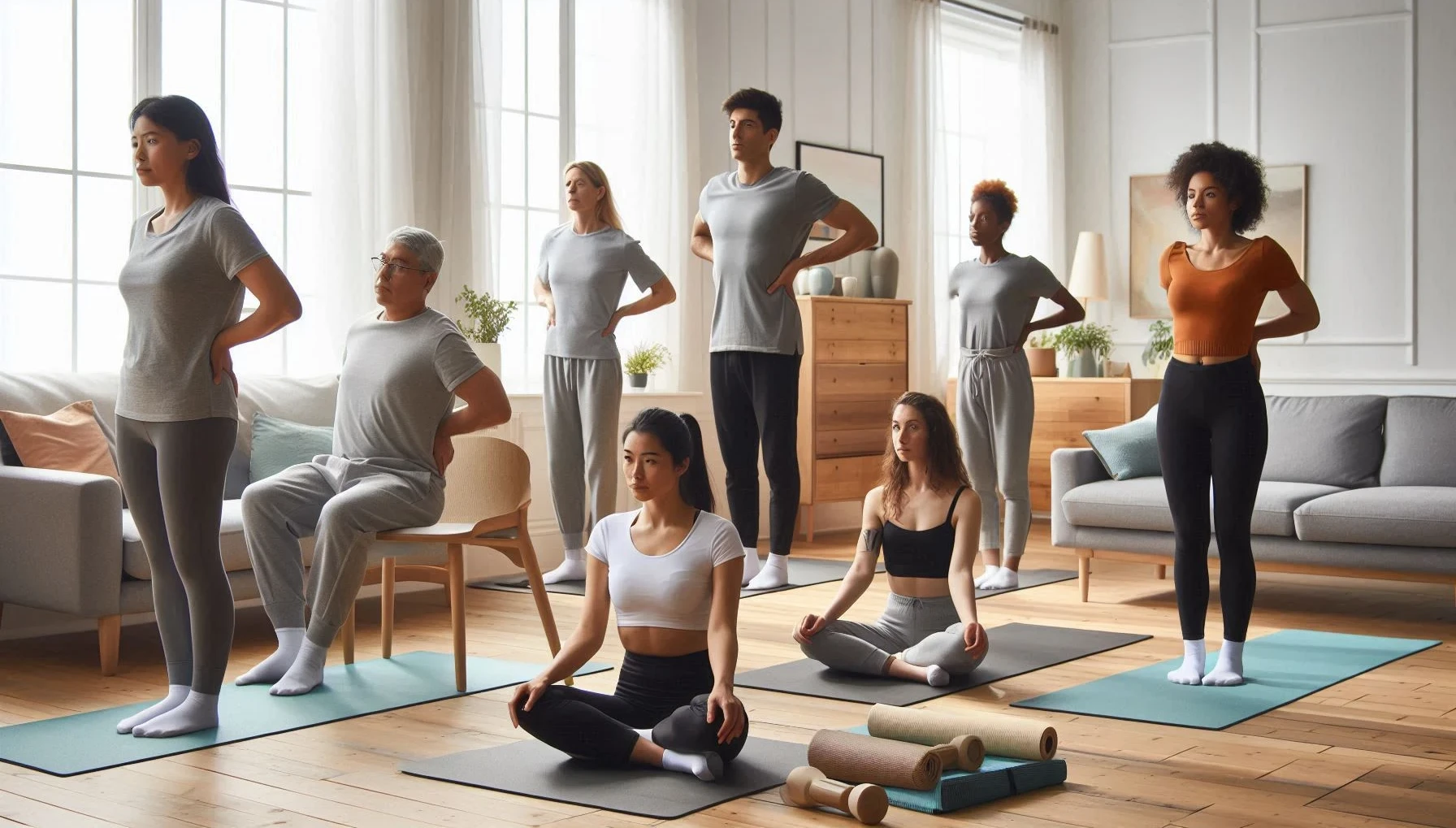
This comprehensive guide explores the five best posture correction exercises you can do at home, explains how they work, compares their benefits, outlines pros and cons, and helps you decide which ones best suit your needs.
This article is designed to provide practical, science informed guidance while remaining accessible and actionable.
Why Posture Correction Matters
Before exploring the exercises, it is important to understand why posture correction is essential for long term health.
Good posture means your body segments are aligned so that gravity places minimal strain on muscles, ligaments, and joints. In ideal alignment:
- Ears sit over shoulders
- Shoulders align over hips
- Spine maintains natural curves
- Hips remain neutral
- Knees and ankles stack properly
When posture deteriorates, several issues can develop:
- Chronic neck and shoulder tension
- Lower back pain
- Headaches
- Reduced lung capacity
- Decreased core stability
- Joint wear over time
Corrective posture exercises address muscular imbalances. Some muscles become tight and overactive, such as chest muscles and hip flexors, while others become weak and under active, such as deep neck flexors, mid back stabilisers, glutes, and lower trapezius muscles.
The five exercises below were selected because they target the most common imbalance patterns seen in sedentary adults.
5 Best Posture Correction Exercises At Home
Exercise 1: Wall Angels
Overview
Wall angels are one of the most effective exercises for correcting rounded shoulders and improving upper back mobility. They retrain scapular movement and activate the muscles responsible for shoulder stability.
How To Perform Wall Angels
- Stand with your back against a wall.
- Keep your head, upper back, and hips touching the wall.
- Bend elbows at ninety degrees.
- Press arms and wrists gently against the wall.
- Slowly raise and lower arms in a controlled motion.
- Maintain contact with the wall throughout.
Perform two to three sets of ten to fifteen repetitions.
Key Benefits
- Improves shoulder mobility
- Strengthens mid trapezius and lower trapezius
- Reduces rounded shoulder posture
- Enhances scapular control
- Improves awareness of spinal alignment
Pros
- No equipment required
- Safe for most fitness levels
- Targets common desk posture issues
- Builds neuromuscular control
Cons
- Difficult initially for tight shoulders
- Requires patience and control
- Limited lower body involvement
Best Suited For
- Office workers
- Students
- Individuals with forward shoulder posture
- People experiencing mild neck tension
Wall angels are foundational and should be part of nearly every posture correction routine.
Exercise 2: Chin Tucks
Overview
Chin tucks directly address forward head posture, which places significant strain on the cervical spine. For every inch the head moves forward, additional load increases dramatically on the neck.
How To Perform Chin Tucks
- Sit or stand upright.
- Keep eyes level.
- Gently draw your chin backward as if creating a double chin.
- Do not tilt the head up or down.
- Hold for five seconds.
- Repeat ten to fifteen times.
Key Benefits
- Strengthens deep neck flexors
- Reduces forward head alignment
- Decreases neck strain
- Improves spinal stacking
- Enhances postural awareness
Pros
- Extremely simple
- Can be done anywhere
- Effective for screen related posture
- Quick to perform
Cons
- Easy to perform incorrectly
- Subtle movement may feel ineffective
- Requires consistency for visible change
Best Suited For
- Smartphone users
- Remote workers
- Drivers
- Anyone with chronic neck tightness
Chin tucks are small but powerful. They retrain deep stabilisers that often weaken over time.
Exercise 3: Glute Bridges
Overview
Poor posture is not only an upper body issue. Weak glutes contribute to anterior pelvic tilt and lower back strain. Glute bridges restore posterior chain strength.
How To Perform Glute Bridges
- Lie on your back with knees bent.
- Keep feet flat and hip width apart.
- Engage your core.
- Press through heels and lift hips upward.
- Squeeze glutes at the top.
- Lower slowly.
Complete two to three sets of twelve to fifteen repetitions.
Key Benefits
- Activates gluteus maximus
- Reduces lower back strain
- Improves pelvic alignment
- Enhances hip stability
- Supports upright posture
Pros
- Beginner friendly
- Strengthens lower body
- Reduces sedentary related weakness
- Easy to progress
Cons
- May cause hamstring dominance if done incorrectly
- Requires floor space
- Limited upper body activation
Best Suited For
- People with lower back discomfort
- Individuals who sit for long periods
- Those with anterior pelvic tilt
- Beginners rebuilding foundational strength
Glute bridges address the base of posture. Strong hips stabilise the spine above.
Exercise 4: Plank
Overview
The plank strengthens deep core muscles that maintain spinal stability. A strong core prevents excessive arching or slumping.
How To Perform A Plank
- Place forearms on the floor.
- Extend legs behind you.
- Keep body in a straight line.
- Engage core and glutes.
- Avoid sagging hips.
- Hold for twenty to sixty seconds.
Key Benefits
- Strengthens transverse abdominis
- Improves spinal stability
- Enhances endurance
- Supports full body alignment
- Reduces compensatory movement patterns
Pros
- Highly effective
- Engages multiple muscle groups
- Scalable difficulty
- Builds functional strength
Cons
- Can strain lower back if done incorrectly
- May feel intimidating for beginners
- Requires good form awareness
Best Suited For
- Individuals with weak core stability
- Active adults
- Those looking for full body engagement
- Anyone rebuilding spinal support
The plank ties upper and lower body strength together.
Exercise 5: Thoracic Extension Stretch
Overview
Thoracic mobility is critical for upright posture. Many people develop stiffness in the mid back from prolonged sitting.
How To Perform Thoracic Extension
- Sit on the floor.
- Place a rolled towel horizontally behind mid back.
- Support head with hands.
- Gently extend backward over the towel.
- Breathe deeply.
- Hold for fifteen to thirty seconds.
Key Benefits
- Improves spinal mobility
- Reduces mid back stiffness
- Encourages upright alignment
- Enhances breathing capacity
- Counteracts slouching
Pros
- Gentle and restorative
- Suitable for most ages
- Immediate relief for stiffness
- Enhances chest opening
Cons
- Does not build strength
- Temporary relief without strengthening work
- Requires floor space
Best Suited For
- Desk workers
- Individuals with rounded upper backs
- People experiencing shallow breathing
- Those beginning posture correction
Mobility complements strength. Both are necessary for lasting improvement.
Comparison Overview Of The Five Exercises
Each exercise addresses a specific component of posture.
Wall angels focus on scapular control.
Chin tucks address forward head position.
Glute bridges strengthen pelvic alignment.
Planks stabilise the entire core.
Thoracic extension improves spinal mobility.
Together, they form a comprehensive routine that targets upper body, lower body, core, and mobility.
Comparison Table
Who Should Follow A Home Posture Routine
These exercises are particularly helpful for:
- Office professionals
- Students
- Remote workers
- Drivers
- Older adults
- Individuals recovering from sedentary habits
- Fitness beginners
- Anyone experiencing mild muscular discomfort
However, those with severe spinal conditions or chronic pain should consult a medical professional before starting.
How To Combine These Exercises For Maximum Results
For optimal improvement:
- Begin with thoracic mobility work.
- Perform chin tucks to reset neck alignment.
- Move to wall angels for upper back activation.
- Complete glute bridges for lower body strength.
- Finish with plank holds for integrated stability.
Perform three to four times per week.
Consistency matters more than intensity.
Common Mistakes To Avoid
- Rushing through repetitions
- Holding breath
- Overarching the lower back
- Ignoring discomfort signals
- Expecting immediate transformation
- Skipping mobility work
- Performing exercises inconsistently
Posture improvement requires patience and gradual adaptation.
Exercises Features Table
Wall Angels
Upper back activation and shoulder alignment
- Improves scapular control
- Reduces rounded shoulders
- Enhances posture awareness
Desk workers and individuals with slouched shoulders
Chin Tucks
Forward head posture correction
- Strengthens deep neck flexors
- Reduces neck strain
- Improves cervical alignment
Smartphone users and remote workers
Glute Bridges
Pelvic alignment and posterior chain strength
- Strengthens glutes
- Reduces lower back strain
- Supports spinal stability
Individuals with anterior pelvic tilt or prolonged sitting
Plank
Core stability and full body alignment
- Builds deep core strength
- Improves endurance
- Enhances functional posture support
Active adults and those rebuilding spinal stability
Thoracic Extension Stretch
Mid back mobility and chest opening
- Improves spinal mobility
- Encourages upright posture
- Enhances breathing capacity
Individuals with upper back stiffness
8 Frequently Asked Questions
Q1. How long does it take to correct posture at home
Noticeable changes can begin within three to four weeks with consistent practice. Structural adaptations may take several months depending on severity and consistency.
Q2. Can posture exercises eliminate back pain completely
They can significantly reduce muscular related discomfort. However, chronic or structural conditions may require professional assessment.
Q3. How often should these exercises be performed
Three to four sessions per week is effective. Short daily mobility sessions can enhance results.
Q4. Are posture braces better than exercises
Braces may provide temporary support but do not strengthen muscles. Exercises create lasting improvements.
Q5. Is it normal to feel sore after posture exercises
Mild soreness is common when activating previously weak muscles. Sharp pain should not occur.
Q6. Can older adults benefit from these exercises
Yes. They can improve mobility, balance, and spinal alignment when performed safely.
Q7. Should I stretch or strengthen first
Begin with gentle mobility work, then strengthen supporting muscles.
Q8. Can these exercises improve breathing
Yes. Improved thoracic mobility and upright alignment enhance lung expansion and oxygen efficiency.
Long Term Benefits Of Consistent Posture Correction
Improved confidence
Reduced muscular tension
Better breathing mechanics
Enhanced athletic performance
Lower injury risk
Improved body awareness
Greater spinal longevity
Posture influences nearly every movement pattern.
Conclusion
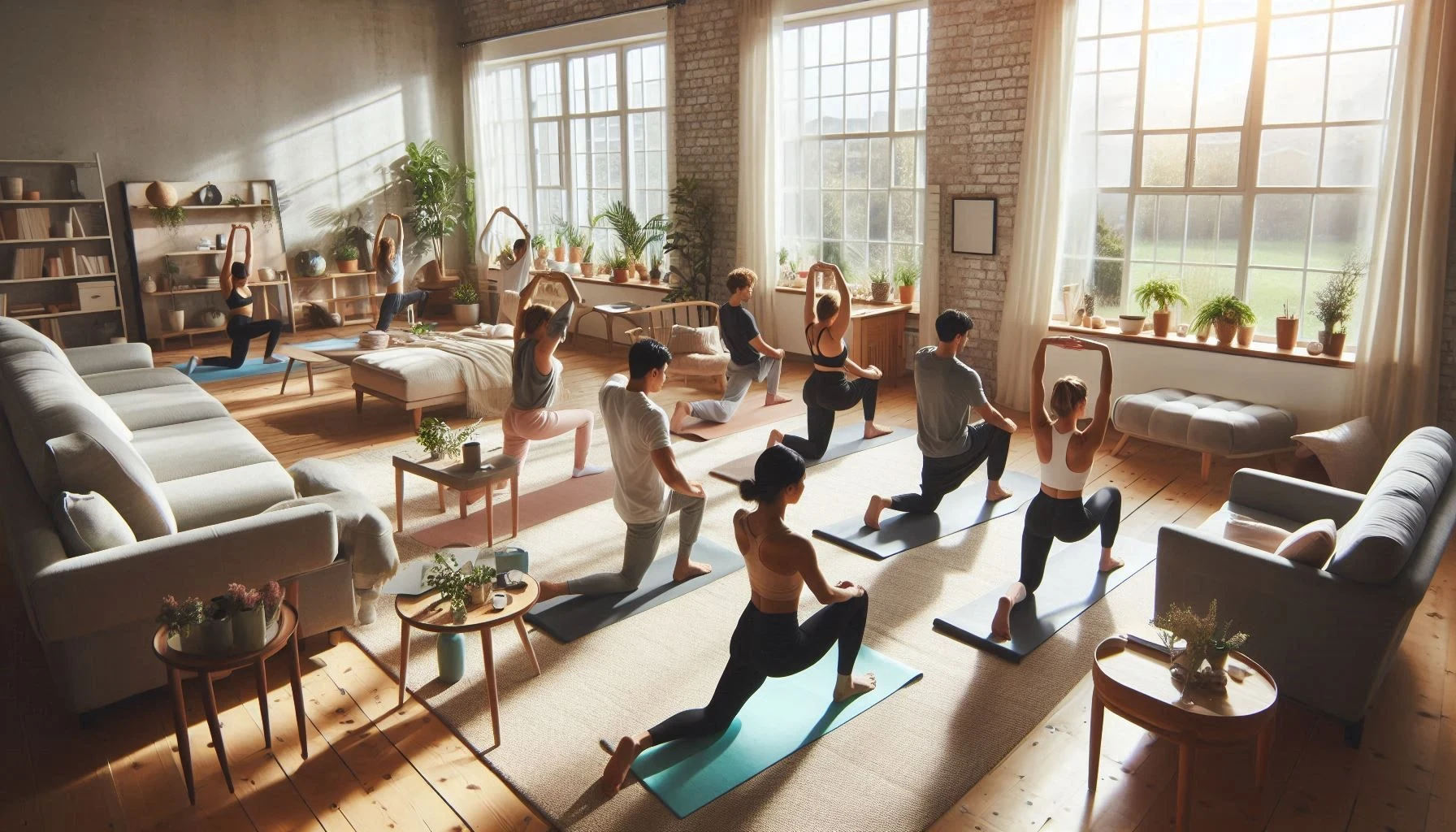
Improving posture at home does not require complicated routines or expensive equipment. The five exercises outlined in this guide address the most common muscular imbalances responsible for poor alignment. Wall angels retrain shoulder positioning. Chin tucks correct forward head posture. Glute bridges strengthen the hips. Planks stabilise the core. Thoracic extensions restore mobility.
Together, these movements form a comprehensive posture correction strategy that is accessible, effective, and sustainable. When performed consistently, they help reduce discomfort, improve alignment, enhance breathing, and increase confidence.
The key to lasting results is consistency, patience, and mindful execution. Start gradually, focus on form, and commit to regular practice. Over time, your body will adapt, your alignment will improve, and your posture will become stronger and more natural.
Strong posture is not about perfection. It is about building balance, strength, and awareness for long term health.
Many Thanks
Many thanks for reading this article 5 Best Posture Correction Exercises At Home. By reading it, you are really helping our blog to grow and enable us to help more people as we grow. If you would like some further reading, why not take a look at these interesting and related articles:
Please let us know in the comments box below which posture correction device you are currently using or are considering.
**Here is a bit of transparency. Our website www.vertevia.com does contain affiliate links and Amazon links. So, if you did make a purchase through the website, we may receive a small commission. This is at no extra cost to you whatsoever. It’s just a way for you to support us as we continue to bring you top quality content**
All the best!
Eamon