
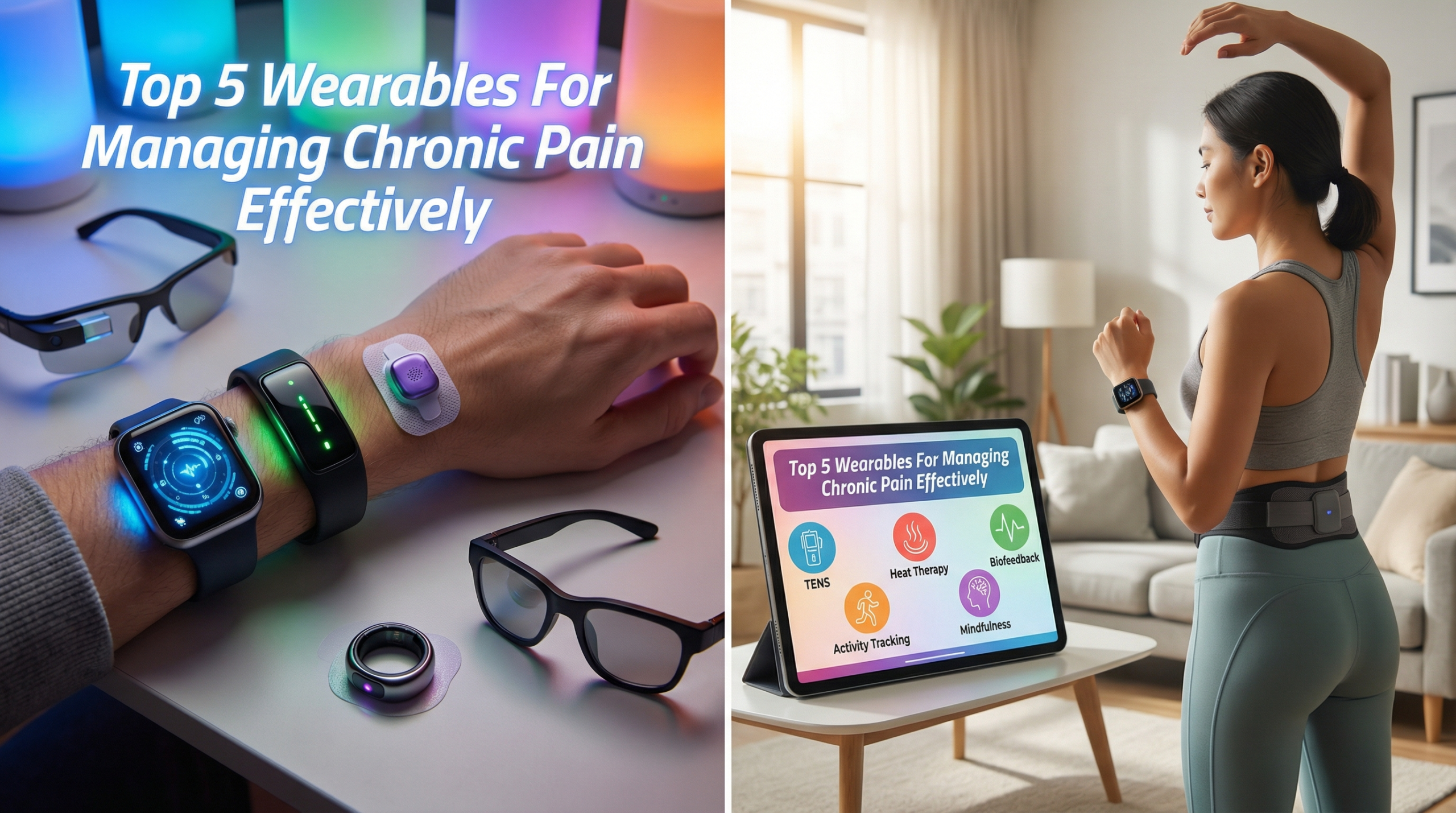
The topic for this blog post is Top 5 Wearables For Managing Chronic Pain Effectively. Pain that just never seems to quit can really reshape and affect your daily life. For folks dealing with chronic pain, relief often means juggling medications, doctor visits, and different therapies. Wearable technology has changed a lot in healthcare these days, and it’s now making pain management more practical for everyday life.
We’re going to break down the current top wearables that can help manage chronic pain, along with essential details people should know before trying one.
Why Wearable Tech Is Helpful for Chronic Pain
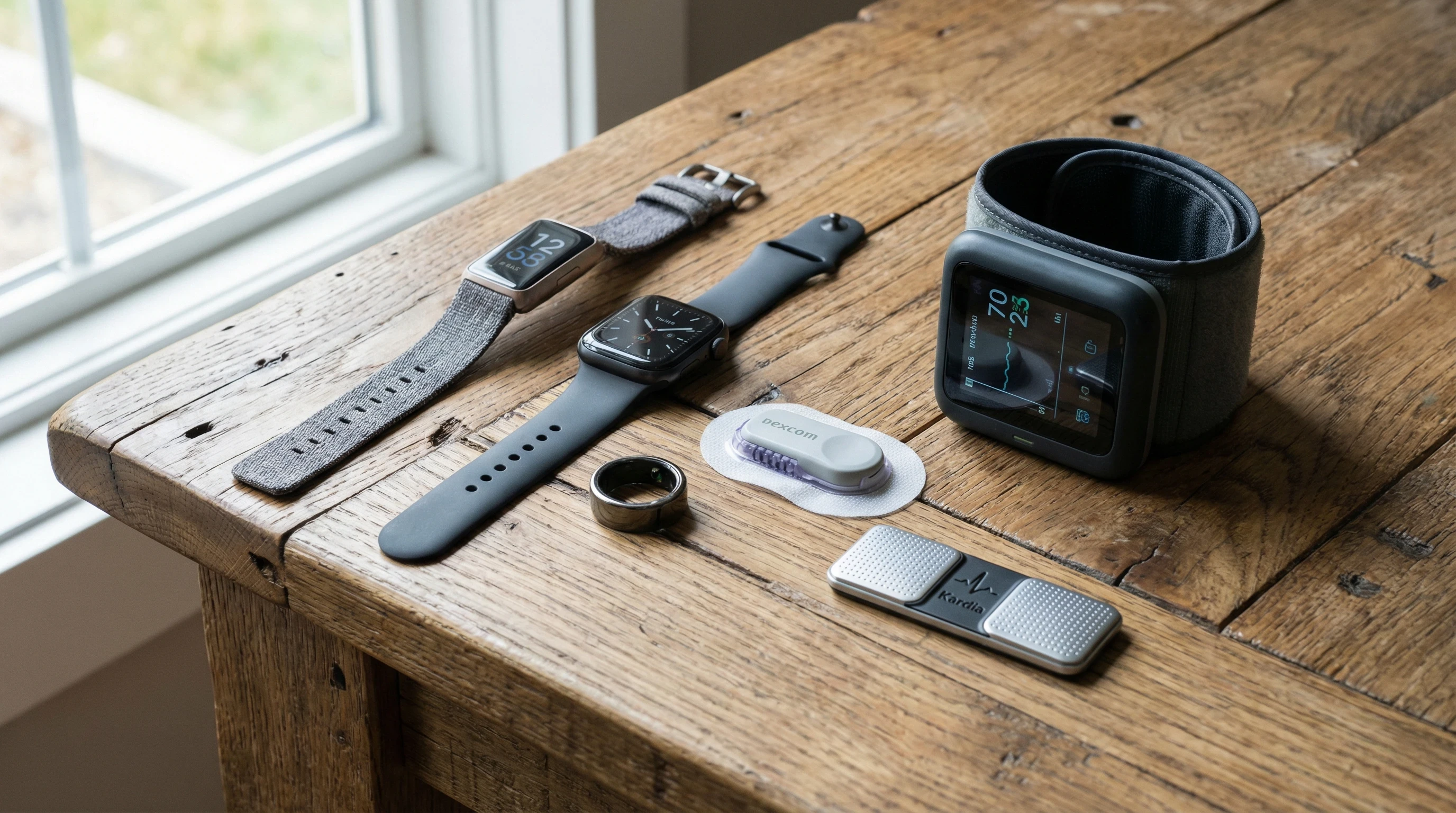
Wearables have become handy tools that offer a non invasive option for tracking pain patterns, sending reminders, and delivering pain relief right where you need it. Instead of relying entirely on therapies that keep you stuck at home or close to medication, these gadgets let you get out and move without feeling tied down to the medicine cabinet. This freedom can be empowering and help you feel more in control day to day.
Modern pain management wearables harness methods such as electrical stimulation, soothing heat, cooling, or calming vibration. Some models connect with your smartphone to collect and display data, while others keep it simple and work with just a button press. The move toward wearable therapy means more privacy, less risk from medications, and very often, a cost effective path to steady relief. Plus, they can reduce the need for additional prescriptions, keeping life a bit simpler.
Top 5 Wearables for Managing Chronic Pain Effectively
The market offers a huge assortment of choices, but these five stand out for their practicality, ease of use, and popularity backed by multiple real user reviews:
1.TENS Units
These wearable patches or belt systems use a gentle electrical current to help block pain signals. Wireless TENS (transcutaneous electrical nerve stimulation) units are slim enough to fit under clothes and provide targeted pain management for areas like the lower back, knees, neck, or shoulders. Brands such as Quell and iReliev are worth checking out for strong Bluetooth compatibility and reliability.
2.Wearable Heat Therapy Wraps
Heat pads have long helped sooth joint pain, cramps, and backaches, but wearable wraps step it up with battery power and true mobility. These wraps offer adjustable heat settings, snug straps, and automatic shut off features. ThermaCare and Sunbeam deliver wraps made for daily, comfortable use without the hassle of plugging in.
3.Electrical Stimulation Bands for Migraines
Migraine episodes can disrupt life, especially when medication falls short or triggers side effects. Devices like Cefaly operate through gentle neurostimulation to quiet the nerves that usually start migraines. With an adhesive pad on your forehead, you connect the device and let it run for a preset therapy period, typically 20 minutes. Countless users champion these for their portability and ease of use.
4.Smart Compression Sleeves
These sleeves combine gentle compression, vibration, and sometimes heat or cool sensations to tackle swelling and discomfort. For those facing arthritis, muscle aches, or nerve pain around the knees and elbows, compression sleeves by companies like Hyperice provide Bluetooth enabled progress tracking and bespoke therapy sessions, making them a flexible solution.
5.Biofeedback and Smart Patches
The latest smart patches go beyond pain relief by monitoring heart rate, sweat, and skin temperature to help track triggers. Brands such as BioWaveGO and other smart patch pioneers supply on the go tracking through phone apps paired with pulsed stimulation therapy ideal for conditions like neuropathy or sciatica.
How to Choose the Right Wearable for Chronic Pain
Deciding on a wearable is more than focusing on tech specs or price. It’s smart to keep these basic considerations top of mind before making a decision:
- Type of Pain. Does your pain come from nerves, muscles, or inflammation? TENS units work well for nerve or muscle pain, while compression sleeves and heat wraps tackle swelling or joint discomfort more directly.
- Ease of Use. Chronic pain can sap your motivation. Choose a device that’s easy to control, quick to charge, and comfortable over long wear, these details really count.
- Connectivity. If you like tracking pain cycles and progress, pick a wearable that syncs seamlessly with your smartphone. If you’d rather skip the tech, stick with a model that’s ready to use right away, no downloads needed.
- Customer Support. Look for companies with a decent return window and strong support team. Pain relief is highly personal, so sometimes you need to try several products until you land on the right one.
Common Hurdles When Using Wearable Pain Devices
Wearables are a real game changer, but they do come with obstacles. Here are some of the biggest things people should watch for:
- Skin Sensitivity: Regular use of sticky pads or wraps may lead to skin irritation. Changing up where you place them or choosing devices with skin friendly adhesives can help avoid breakouts.
- Battery Life and Charging: If you forget to charge your device, you can miss out on therapy sessions. Some models run for days, while others require more frequent charging, so read reviews and keep a spare charger handy when on the move.
- Proper Fit: Relief often depends on good placement. A sleeve that’s too tight or a TENS pad in the wrong location won’t give you the results you want. Take the time to follow setup instructions for best results.
- Maintenance Costs: Some devices need replacement pads, batteries, or adhesives. Even if the device itself is a one and done buy, the small extras can add up. Factor this into your pain management budget for the long haul.
Battery and Charging
Most smart wearables use rechargeable batteries, but not every model lasts equally long. Reading real user experiences can help spot long lasting models. It’s smart to have a spare charging cable handy at work or in your travel bag to keep your routine consistent.
Skin Sensitivity Issues
Adhesive pads, especially for TENS or neurostimulation devices, sometimes irritate sensitive skin. Rotating the placement sites or using gentle, aloe based wipes after removal can provide comfort. If you tend toward allergies, pick out devices labelled as hypoallergenic or those specifically made for sensitive skin.
Helpful Tips for Getting the Most Out of Your Pain Relief Wearable
Wearables do best when you use them consistently and tailor your approach to your needs. Here are practical tips for making the most of your investment:
Start Low, Go Slow: Some therapies feel strange at first, especially electrical pulses. Begin at the lowest setting, then gently work your way up once you’re comfortable.
Set a Routine: Using your wearable at the same time each day helps your body and mind learn to expect pain relief, which might also ease anxiety about flare ups.
Combine with Other Approaches: Wearables aren’t a replacement for other pain management strategies like stretching, mindfulness, or physical therapy. Maintain a pain journal to log your levels, identify triggers, and spot trends that could improve your plan.
Check with Your Provider: If you already use medical devices (like a pacemaker) or if you’re not certain whether a wearable is right, a quick call or check in with your healthcare provider is the safest route.
Track Progress: Some wearables offer mobile apps for syncing and visualizing your pain levels, therapy times, and results, letting you make data driven tweaks to your care plan over time.
Everyday Examples of Wearables in Real Life
Wearables are already packed into many daily routines. I know people who wear TENS belts discreetly at the office, athletes who rely on heated knee sleeves while resting on the side lines, and busy parents who use migraine headbands during downtime at kids’ play practice. Some pair their TENS unit with a smartwatch for reminders and regular therapy sessions. By weaving these devices into daily life, users stay more active and involved, even through stubborn pain days.
- Back Pain: Wireless TENS units are a go to for folks sitting at their desks all day or those who spend hours behind the wheel.
- Migraine: Wearable neurostimulation offers a great option to those who can’t use typical migraine meds because of pregnancy or allergies.
- Arthritis: Smart sleeves and heat wraps make it easier to manage pain without adding more medication to your regimen.
Apple Watch
Fitbit
Garmin
WHOOP
Oura Ring
Frequently Asked Questions
Q1: Do wearables for chronic pain work for everyone?
Answer: Pain is personal, and results with wearables vary person to person. Many find big improvements in mobility and reduced pain, while others see less dramatic change. They’re generally most useful as just one part of an all in one pain management strategy.
Q2: Can I use wearable pain devices all day?
Answer: Most manufacturers give advice on safe therapy times. Often 30 minutes to a couple hours a day. Overusing these devices could irritate the skin or make relief less effective. Stick to your doctor’s or the manufacturer’s guidelines for best outcomes.
Q3: Are there side effects with TENS or neurostimulation wearables?
Answer: For most folks, the main side effect is minor skin redness. People who have pacemakers or some heart problems may need to skip these altogether. Check your manual and speak to your doctor if you have concerns.
Q4: How do I know if my insurance covers a wearable pain device?
Answer: It depends on your medical history, the specific device, and your insurer. Sometimes, a letter from your healthcare provider can help if you’re looking for reimbursement.
Q5: Can heat wraps be worn while sleeping?
Answer: Most wearable wraps have auto off safety built in, but it’s safest to use them only while awake. Prolonged heat can irritate skin or create issues for those with circulation challenges.
Q6: Can I travel with wearable pain devices?
Answer: Most wearables are cleared for travel and are fine in carry on bags. Just check in with airport security and confirm what’s approved for airplane use, especially with batteries and wires.
Q7: Do I need a prescription for any of these devices?
Answer: Most wearable pain relievers are available over the counter. A few advanced neurostimulators need a prescription or doctor’s evaluation, so always check product details before buying.
Q8: What’s the best way to keep track of pain while using a wearable?
Answer: Write down your pain levels and what you tried each day, so it’s easier to spot what actually helps. Many smart wearables let you sync notes and trends right in a connected app, making tracking less of a hassle.
Summary
Finding steady pain relief is a real challenge, but wearable tech has taken a lot of the hassle out of daily pain management. With more options showing up every year, it’s easier than ever to access therapies that fit your life. Do some digging, try what feels right, and you’ll stumble upon the right relief plan. Experiment with a few options if needed, and before you know it, you’ll have more energy for the things that matter most in your day.
Many thanks for taking the time to read this article on Top 5 Wearables For Managing Chronic Pain Effectively. I do really hope that you have taken some value from it and that it helps you with your next purchase for your chronic pain management. For some extra reading, take a look at these related articles:
Best 6 Wearables For Managing Chronic Conditions
Wearable Health Tracking For Cancer Patients
Best 3 Continuous Blood Oxygen Wearable Rings
Best 5 Wearables For Hypertension Patients
Please let us know in the comments which type of wearable health tech device you are currently using or plan to buy in the future! The comments section is just underneath this article!
**Here is a bit of transparency. Our website www.vertevia.com does contain affiliate links and Amazon links. So, if you did make a purchase through the website, we may receive a small commission. This is at no extra cost to you whatsoever. It’s just a way for you to support us as we continue to bring you top quality content**
All the best!
Eamon