
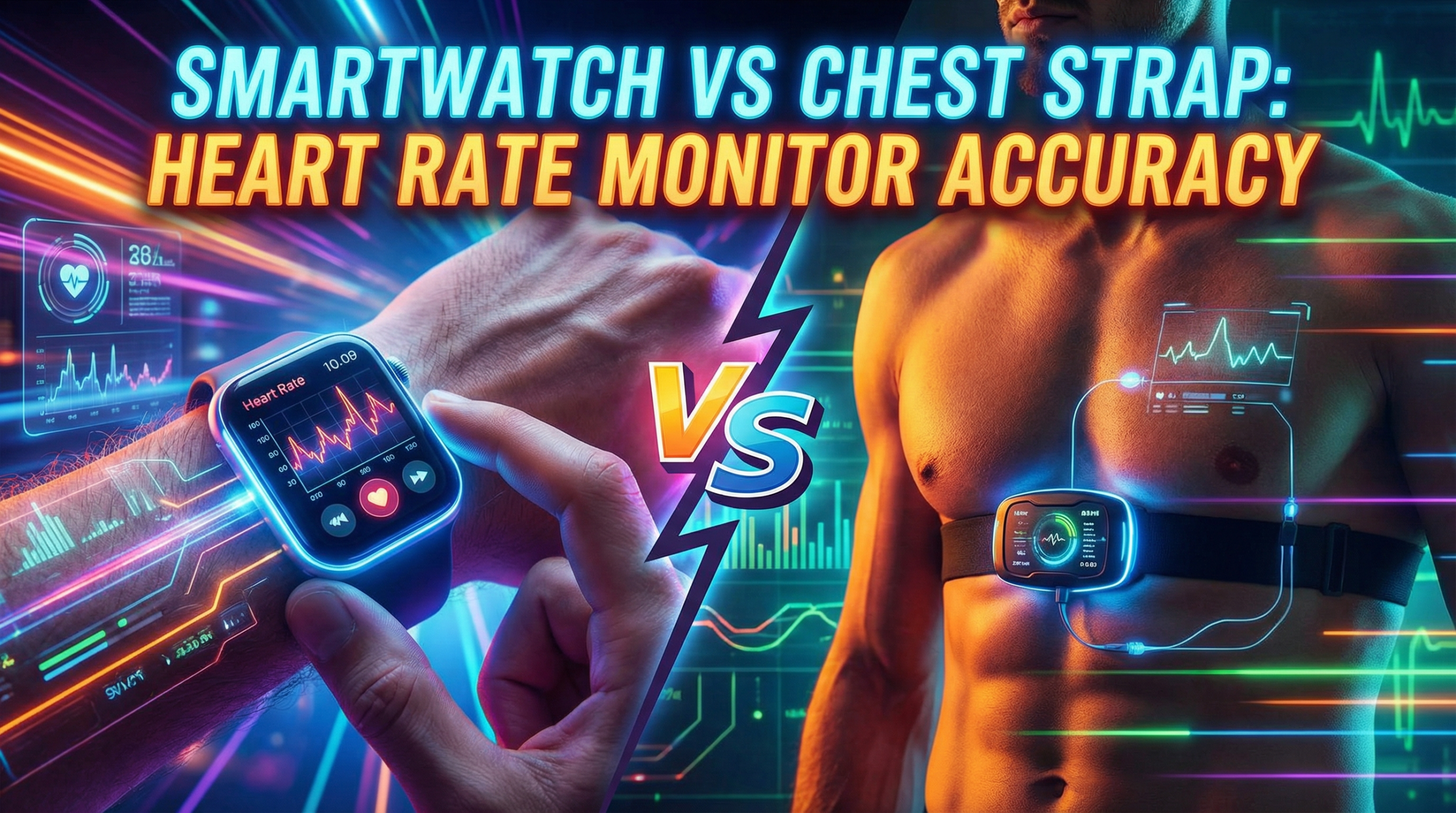
Welcome to our comparison article on the topic of Smartwatch Vs Chest Strap: Heart Rate Monitor Accuracy. Tracking heart rate is a huge part of smart fitness these days, whether you’re a pro athlete or just trying to hit your daily activity goals. Smartwatches and chest strap heart rate monitors are two of the top tools for checking your heart rate in real time. They both have lots of fans. However, they work in pretty different ways and, when it comes to accuracy, they don’t always match up.
I’ve tried both for running, cycling, and even chill yoga sessions, and I’ve noticed how each performs under different conditions. Smartwatches use light sensors that shine into your skin to read your pulse, while chest straps use electrodes to measure electrical signals. If you want to know which offers better accuracy, how they stack up during workouts, and which is best for your own activities, this straight forward comparison lays out what you need to know.

Understanding the Contenders
How Smartwatches Measure Heart Rate
Smartwatches use optical technology, usually called photo plethysmography. That means they shine green LEDs into your skin and read subtle changes in light reflection as your blood pulses past. The watch sits on your wrist and reads these changes many times every second.
How Chest Strap Heart Rate Monitors Work
Chest straps measure the electrical signals that trigger your heart to beat. The strap rests right against your skin (typically below your chest muscles) and reads those signals with built electrodes. This method is basically how hospitals record heart rate, so it’s known for being super accurate.
Who Uses Each and Why
- Serious cyclists, runners, and athletes who need high accuracy data for training usually choose chest straps.
- Casual exercisers, everyday step trackers, and those wanting all in one convenience go with smartwatches.
- People with medical reasons for monitoring their heart may use either, but reliability is extra important in these cases.
Pros and Cons at a Glance
Smartwatch Advantages:
- Super convenient (just wear like a regular watch)
- Tracks steps, sleep, and much more. Not just heart rate
- Syncs with your phone for easy data review
Smartwatch Drawbacks:
- Can struggle during intense workouts or with lots of wrist movement
- Accuracy may drop in cold weather or on dark tattoos
- Battery life takes a hit when using continuous tracking
Chest Strap Advantages:
- Generally spot on for heart rate during all kinds of activity
- Not affected by skin colour, wrist tattoos, or poor watch fit
- Stays accurate at high and low heart rates
Chest Strap Drawbacks:
- Less comfortable to wear all day
- Usually just tracks heart rate (no sleep or activity info)
- Needs to be washed and cared for regularly
Head to Head: Accuracy in Real Life
During Steady State Cardio
Both devices perform decently for easy runs or cycling when you’re not flailing your arms. Chest straps remain within a couple beats per minute of hospital grade ECG, and smartwatches can come pretty close if the fit is solid and there’s not much bouncing.
High Intensity Interval Training (HIIT) or Sprints
Chest strap monitors react instantly to changes, so you see your heart rate spike or drop almost at the same moment. Smartwatches can lag, sometimes showing delayed heart rate jumps or missing quick changes, because of the sensor design and how sweat or movement interferes with the readings.
Strength Training and Active Movement
With gripping or lots of wrist action, a smartwatch’s sensor can lose contact or be tricked by muscle flexing. Chest straps typically don’t get thrown off unless the strap moves out of place.
All Day Tracking and Sleep
Smartwatches are top here, since almost nobody wants to keep a chest strap on 24/7. For daily heart rate trends and sleep, wrist sensors are very handy. Just remember that you might lose out on some accuracy for power workouts.
City and Trail Use
Neither sensor is strongly affected by location, but wrist sensors might pick up interference from vibration or repetitive motion, like riding a bumpy train or bus.
Comparing Features and Practical Usability
- Comfort and Wearability
Smartwatches feel like a regular wristband, and most people forget they’re wearing one after a while. Chest straps aren’t usually uncomfortable once you adjust, but they can feel odd at first, and few people want to wear one all day. - Connection with Apps and Devices
Most smartwatches link easily with major phone apps and fitness platforms (Apple Health, Google Fit, etc.). Chest straps typically pair with sports watches, bike computers, or phones using Bluetooth or ANT+, though the setup might need some patience initially. - Battery Life and Maintenance
Chest straps typically last for months using a coin battery, especially if paired with simple computers. Smartwatches need routine charging, especially when using them to check heart rate around the clock. - Price Range
The latest smartwatches come in a range of prices, from budget friendly to premium, with features like step tracking, notifications, and more. Chest straps alone are more affordable, but offer fewer extra features.
User Experiences and Reviews
- Smartwatch Reviews: Most users love the handiness, but those who do fast paced sports notice there can be jumpy heart rate data. Many casual users are happy with “pretty close” readings for walking, yoga, or day to day fitness.
- Chest Strap Reviews: Athletes and cyclists often mention they trust the strap on race day or during big training sessions, reporting that the data delivers every time. Some just wish the strap was a little more comfortable for long sessions.
- General Consensus: For everyday activity and sleep, smartwatches are plenty good. For intervals, calorie accuracy, or heart rate zones during a major workout, chest straps are the go to.
Which Should You Choose?
After testing and comparing both, here’s when you might want one instead of the other.
Pick a Smartwatch if you:
- Want sleep, step, and daily health tracking automatically
- Like carrying just one device for fitness, notifications, and telling time
- Mainly do steady cardio or easy traditional workouts
Pick a Chest Strap if you:
- Train hard or need truly accurate data for performance
- Do intervals, cycling, races, or intense routines
- Don’t mind strapping it on before your main workouts
Which To Choose?
- Smartwatch: Simple for everyday use, wearable day and night, best for casual fitness and trend tracking. Accuracy can be affected by sweat or big movements.
- Chest Strap: More precise, favoured by athletes for interval and performance workouts. Needs proper fit, not as comfy for all day use.
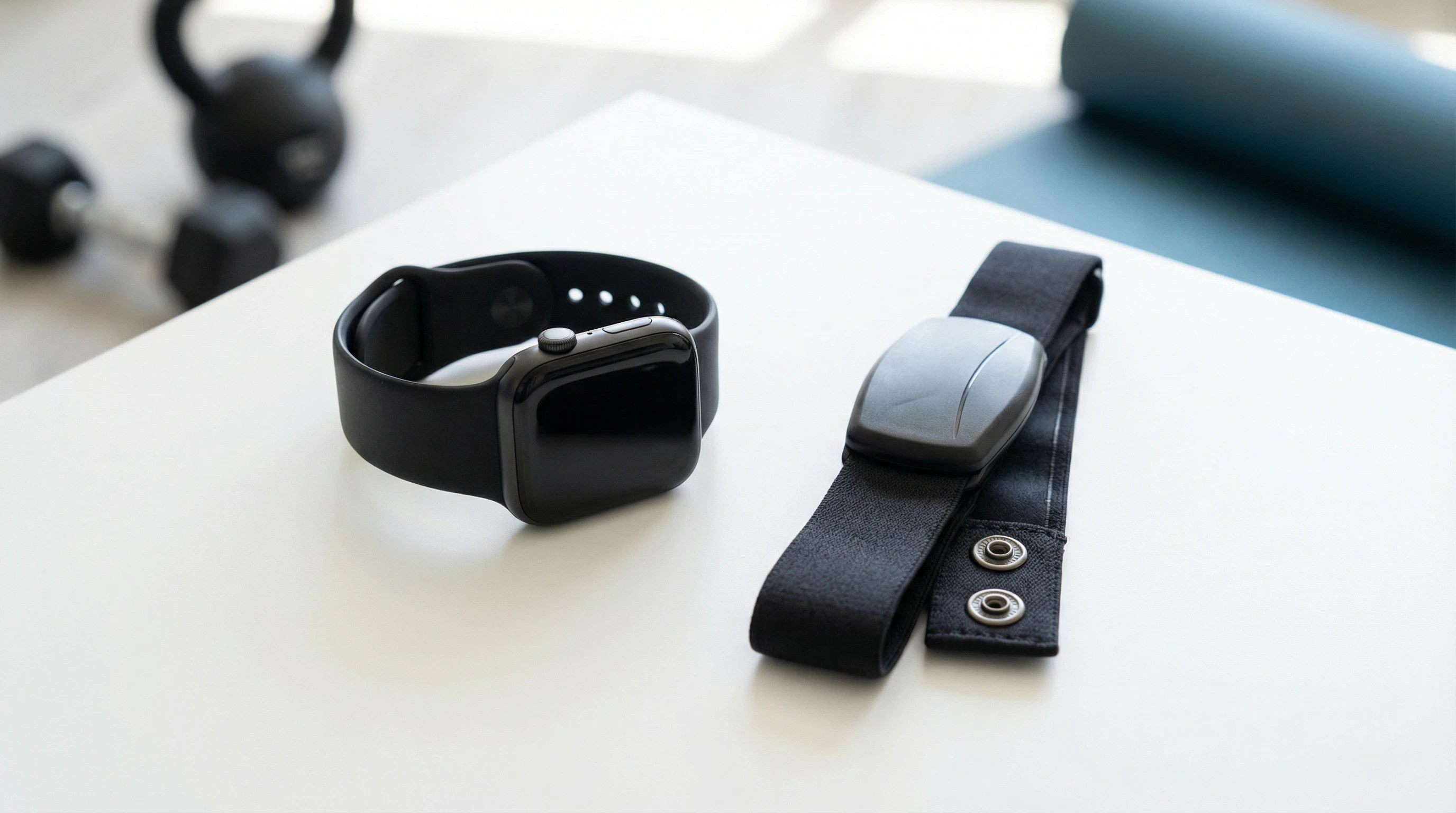
Q&A: Smartwatch vs Chest Strap Heart Rate Monitor
Q1. Are smartwatches accurate enough for medical purposes?
Smartwatch heart rate readings are usually good for noticing trends, but not always reliable for making medical choices. For medical use, go with a chest strap or a more advanced device, and always listen to your doctor.
Q2. Why does my smartwatch show low or jumpy heart readings during workouts?
This happens if the watch moves around, isn’t snug enough, or if sweat and motion mess with the sensors. Smartwatches often have trouble keeping up with fast heart rate changes.
Q3. How do I make my chest strap more comfortable to wear?
Adjust it so it’s snug but not too tight, and use a dab of water or electrode gel if contact isn’t strong enough. Wash the strap as directed for comfort and to keep readings consistent.
Q4. Can I substitute one for the other in all situations?
You can use either for regular fitness, but chest straps are more reliable for intervals or high intensity training, when precision matters.
Q5. What affects smartwatch heart rate accuracy?
Movement, poor fit, skin tone, tattoos, and even hairy wrists can all impact readings. Keep your watch snug, just above the wrist bone, and consider a newer model for the best results.
Q6. Which is better for tracking sleep and resting heart rate?
Smartwatches work better since you can wear them overnight without discomfort, even if they’re not quite as precise as chest straps for each reading.
Q7. Do I need special apps for either device?
Smartwatches work with built in health apps, while chest straps might need pairing with sports watches, bike computers, or apps like Strava and Garmin Connect. Most setups are pretty simple.
Q8. Will chest straps work with any smartwatch or phone?
Most chest straps use Bluetooth or ANT+, so just check if your device is compatible. A lot of smartwatches and phones can pair with straps, but always check ahead.
Summary
When it comes to tracking heart rate, both smartwatches and chest straps offer valuable insights, but they differ significantly in accuracy and performance. Smartwatches use optical sensors that measure blood flow through the wrist.
While convenient and comfortable for everyday wear, they can sometimes struggle with accuracy during high intensity workouts, rapid arm movement, or strength training sessions. Factors like skin tone, wrist placement, and strap tightness can also influence readings.
Chest straps, on the other hand, use electrocardiogram (ECG) technology to detect the electrical signals produced by each heartbeat. Because they sit close to the heart, they typically deliver more precise and consistent data, particularly during interval training, cycling, and endurance sports. However, some users find them less comfortable for extended wear.
Ultimately, smartwatches are ideal for casual fitness tracking and daily health monitoring, while chest straps remain the gold standard for athletes who prioritise maximum heart rate accuracy during intense training sessions.
Thanks!
Thankyou so much for reading through this article on Smartwatch Vs Chest Strap: Heart Rate Monitor Accuracy. I do hope that it has given you the information you need to make an informed purchase decision between the two models of heart rate monitors. If you would like some extra reading, take a look at these interesting, related articles from our blog:
Please let us know in the comments which brand and type of heart rate monitor device you are currently using or plan to buy in the future!
**Here is a bit of transparency. Our website www.vertevia.com does contain affiliate links and Amazon links. So, if you did make a purchase through the website, we may receive a small commission. This is at no extra cost to you whatsoever. It’s just a way for you to support us as we continue to bring you top quality content**
All the best!
Eamon