
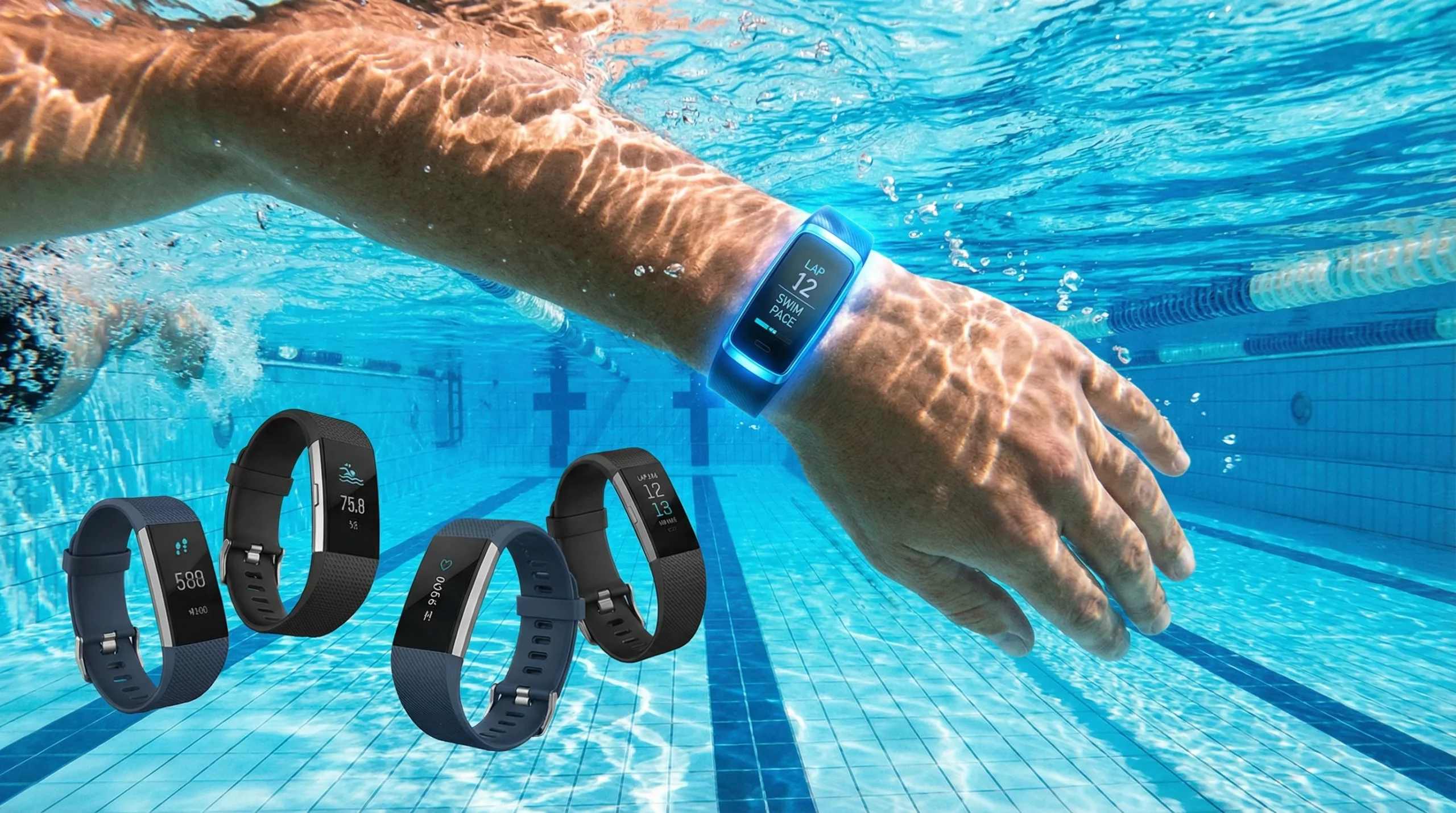
Welcome to Vertevia. This blog post is on the subject of Top Waterproof Fitness Trackers For Swimming Workouts. Swimming workouts can be a game changer for both fitness newbies and seasoned athletes. Having a waterproof fitness tracker is a pretty handy way to keep tabs on your progress in the pool. These gadgets do everything from counting laps to logging your stroke style and even checking your heart rate under water.
In this article, I’m getting into what to look for in a waterproof tracker, the best options out there at the present time, and tips for making the tech work for you. Especially if you want super detailed swimming stats every time you hit the water.
Why Waterproof Fitness Trackers Are Great For Swimmers
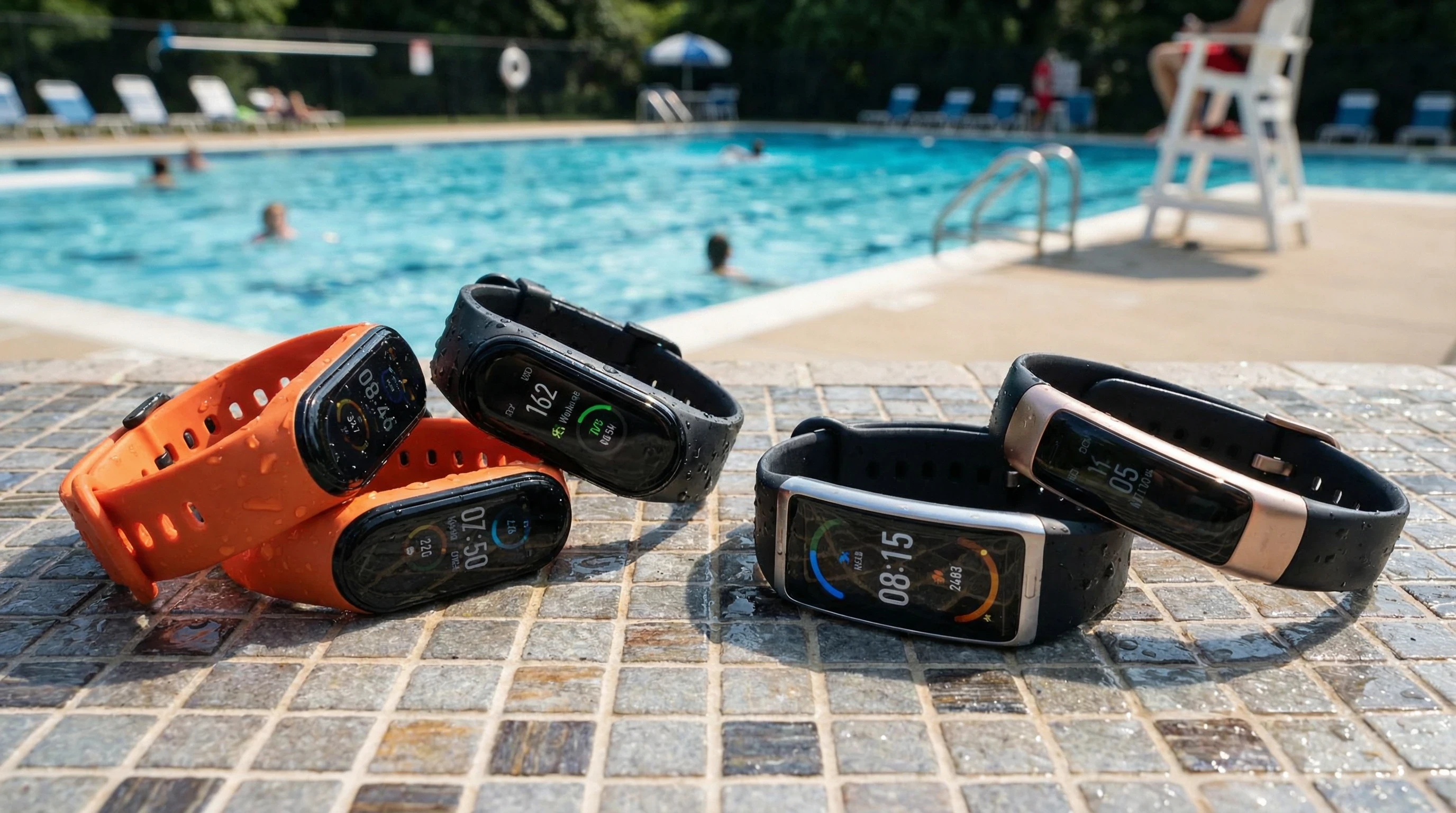
Most fitness trackers are made with daily step counts and runs in mind, but swimming adds another challenge when it comes to tracking. Waterproof trackers with swim modes are designed for the unique environment of the pool or open water. They can log your laps, break down your pace, and sometimes even tell you which stroke you’re doing. It’s pretty motivating for swimmers to see their progress session after session with real, accurate data.
Waterproof trackers have come on leaps and bounds in recent years. It’s not just about keeping the device safe, but also about the sensors working more reliably under water, so data remains accurate even when you’re making serious waves in the deep end. This new tech means you can get a lot more insight into your swimming, with many trackers even letting you track drills, sets, and intervals.
Features That Matter When Picking A Waterproof Fitness Tracker
All waterproof trackers aren’t built the same. Here’s what really matters when choosing one for swimming workouts:
- Water Resistance Rating: Look for at least 5 ATM or 50 meters water resistance. This will keep your tracker safe for lap swimming or even some snorkelling and open water swims.
- Swim Tracking Modes: Laps, distance, duration, and stroke recognition give you the ability to break down your workouts. Some trackers break it down further with SWOLF, a metric that measures swimming efficiency and helps you spot progress over time.
- Battery Life: Swimming sessions don’t always line up with charging schedules, making longer battery life a nice perk if you swim a lot or travel for meets and practices.
- Display Visibility: A bright or always on display you can read through goggles makes a huge difference while you’re swimming.
- Heart Rate Monitoring: Not all trackers can accurately capture heart rate underwater. Be sure to check for this feature if heart rate zones are part of your training plan.
- Comfort And Fit: The tracker should feel secure and comfortable for long sessions. No pinching or slipping during turns makes the workout more enjoyable.
Top Waterproof Fitness Trackers For Swimming Workouts
I’ve spent a lot of time checking out what’s new and popular for 2026 and beyond. Here are my top 5 picks that I think are really solid options for swimmers at any skill level:
1.Garmin Swim 2
This one is built specifically for swimmers. It tracks distance, pace, stroke count, and even has open water GPS tracking. The SWOLF feature helps you analyse efficiency, and it works great in either the pool or a lake.
2.Apple Watch Series 9
Apple’s latest watch holds up well in the pool. It auto detects swim types, logs sets, and lets you scroll workouts right from your wrist. The display’s easy to read even with wet hands, which I find super helpful when checking progress in the middle of a lap.
3.Fitbit Charge 6
Fitbit’s updated Charge comes with plenty of swim friendly features. You get stroke recognition, lap counting, and decent battery life, plus all the core health tracking perks when you hop out of the pool.
4.Samsung Galaxy Watch 6
This one mixes fitness and lifestyle features, with reliable swim tracking built in. The waterproofing is excellent and it automatically recognizes when you’re doing laps, saving you time navigating menus.
5.Amazfit T Rex Pro
For budget and durability, this rugged tracker is worth checking out. It’s designed for tough outdoor use but performs reliably in the pool, offering lap and distance stats with a clear, easy to read screen. It’s a good pick for anyone who wants a device that can stand up to both pool workouts and muddy trail runs.
All of these options hold up well over repeated swims. They sync with most popular fitness apps, so you’ll have no trouble storing and sharing your swim data. If you’re looking to surprise someone, any of these would be an eye catching gift for a swim enthusiast.
How Waterproof Ratings Work On Fitness Trackers
If you’ve wondered about all those “ATM” numbers or water depth ratings, you’re not alone. Here’s a quick rundown:
- 5 ATM (50m): Handles pool swimming, rain, and shallow snorkelling. This is the minimum I look for in a swim ready fitness tracker.
- 10 ATM (100m): Safe even for diving off the blocks, longer swim workouts, and some recreational diving. For open water swimmers, a higher rating gives more peace of mind.
Pay close attention to brand recommendations. While it’s pretty common to wear your tracker in the shower, hot showers and saunas can stress the waterproof seals. Always check the user manual. After ocean or pool swims, rinsing your device will keep it running longer, free of salt or chlorine build up.
What To Keep In Mind Before Buying
Shopping for a waterproof tracker is pretty easy if you know what to watch for. Here are a few things I always double check:
- The strap should feel light and stay snug without pulling hair or pinching your wrist. Adjustable silicone bands are usually the most comfortable for long workouts and minimize wrist irritation over time.
- Check that you can start and stop swim workouts easily. With wet fingers, fiddly buttons are not your friend. Many touchscreens struggle underwater, so side buttons or rotating dials can come in handy.
- Sync with your favourite app for easy stat tracking. Most major brands let you link workouts to Apple Health, Google Fit, Strava, or use their own dashboards for deeper analysis.
- If you swim in open water, GPS tracking is a feature you’ll probably want for accurate distance and route maps. It’s great for outdoor swim events, too.
Heart Rate Monitoring: Is It Reliable In The Pool?
Most fitness trackers use optical heart rate sensors, which work best on dry skin. Underwater tracking isn’t always super accurate, but newer models like the Garmin Swim 2 have improved heart sensors, letting you spot trends over time. For hardcore swim training, think about pairing your tracker with a chest strap made for water. It gives more dependable results during intense intervals or long sets.
Battery Life Tips For Swimmers
Battery drain spikes when you use pool tracking, GPS, or always on displays. My advice is to charge your tracker before heading to practice and get in the habit of checking battery levels right after syncing your last swim. Models like the Amazfit T Rex Pro or Garmin’s sport watches get several days out of a single charge, which is a plus if you sometimes forget your charger or spend weekends at meets.
How To Make The Most Out Of Your Swim Tracker
Once you’ve found a tracker you love, you’ll want to get the most from it. Here are a few quick tips that have worked well for lots of swimmers:
- Update your tracker’s firmware regularly because brands are always tuning their swim algorithms for better accuracy and adding cool features over time.
- Use the pool length setting. Entering the right length ensures your lap and distance counts stay spot on, especially if you swim in multiple pools or travel for meets.
- Check your stroke recognition settings. If your tracker is misreading your breaststroke as freestyle, a few tweaks, either in your settings or your swim technique, can make a big difference.
- After a workout, rinse your tracker under fresh water, especially if you swim in salt or chlorinated pools. Regular rinsing keeps the band soft and sensors clear for top notch performance.
Best Real World Uses For Swim Trackers
I use my waterproof tracker in a bunch of ways during swim season. It helps me spot trends in my stroke rate, see real improvements in lap times, and even alerts me if I slow down during interval training. Coaches like to review exported data for fine tuning workouts or calling out when a swimmer is coasting during tough sets.
Some folks just like the peace of mind that comes with knowing a waterproof device can count their session and let them leave their phone in the locker room. Whether you’re preparing for a triathlon or just want solid fitness tracking, these trackers add a lot of value outside of swimming. Like monitoring your sleep, steps, and other activity stats throughout the day.
Features Table
Frequently Asked Questions
Q1. Can I wear my swim tracker in both pool and open water?
Answer: Most modern waterproof fitness trackers work in pools and open water, but GPS features only activate outside. Always check your device settings before you start your swim.
Q2. What’s the difference between “waterproof” and “water-resistant” trackers?
Answer: Water resistant trackers handle splash and rain, but only true waterproof models (with 5 ATM or higher) are safe for swimming and diving for extended periods.
Q3. How do I make sure my tracker counts laps accurately?
Answer: Set the correct pool length in your tracker before you start. Make sure you push off from the wall at the end of each lap rather than just stopping and floating. The sudden motion helps the tracker detect a new lap.
Q4.Will chlorine or salt water damage my fitness tracker?
Answer: Most major brands build their waterproof models to handle chlorine and salt, but rinsing the tracker in fresh water after each swim will extend its lifespan and keep sensors clear.
Q5.How long do waterproof fitness tracker batteries last?
Answer: It depends on features and use. With daily swimming and heart rate tracking, expect anywhere from 3 to 7 days for most top models. A bit less if you’re using GPS every session.
Q6. Can I track my heart rate while swimming?
Answer: Yes, but accuracy varies. Wrist sensors have some trouble, but some newer models manage a decent job. Your results will vary based on skin tone, band fit, and water movement.
Q7. Are there special trackers for kids who swim?
Answer: Yes, several brands offer lighter, smaller waterproof trackers for kids. These focus on basic lap counting and timing more than advanced stats, keeping setup hassle free.
Q8. What should I do if my tracker fogs up or leaks?
Answer: This usually means the waterproof seal is damaged. Dry the device completely. Avoid using it until checked by support, and follow the manufacturer’s advice. Replacing old bands and keeping seals clean helps prevent fogging or leaks that could ruin the tracker.
Summary
Waterproof fitness trackers have opened up new ways to track swimming progress and improve workouts. With the right features—like accurate lap counting, strong display visibility, and skin friendly bands—these devices make swimming more fun and effective. Whether you swim for fitness, competition, or relaxation, picking a tracker that matches your needs is really important for staying on top of your pool stats and building steady progress, year-round. Wrapping up, a reliable waterproof tracker is a smart addition to any swimmer’s routine, making sure your hard work gets logged, tracked, and leads to better performance each time you hit the water.
Thanks for reading this article on Top Waterproof Fitness Trackers For Swimming Workouts. I do hope that it has given you the right information to make an informed purchase decision on your next fitness tracker. For some extra reading, take a look at these interesting articles from our blog:
Related Articles
Please let us know in the comments which brand and type of fitness tracker or other wearable health tech you are currently using or plan to buy in the future!
**Here is a bit of transparency. Our website www.vertevia.com does contain affiliate links and Amazon links. So, if you did make a purchase through the website, we may receive a small commission. This is at no extra cost to you whatsoever. It’s just a way for you to support us as we continue to bring you top quality content**
All the best!
Eamon
Technology is just great and getting better and better every year. A few years ago you couldn’t get smart watches that did water and now suddenly there is a whole army of them. It is actually difficult to make a choice of one with all the options you have included here.
I also like your advice of checking that the device works with wet hands, as I know that it is difficult to work normal watches and devices with wet fingers. So that is something I am definitely going to check before I buy my next swimming tracker.
Thankyou for your valued comments and I am happy that you have found value in this blog post.