
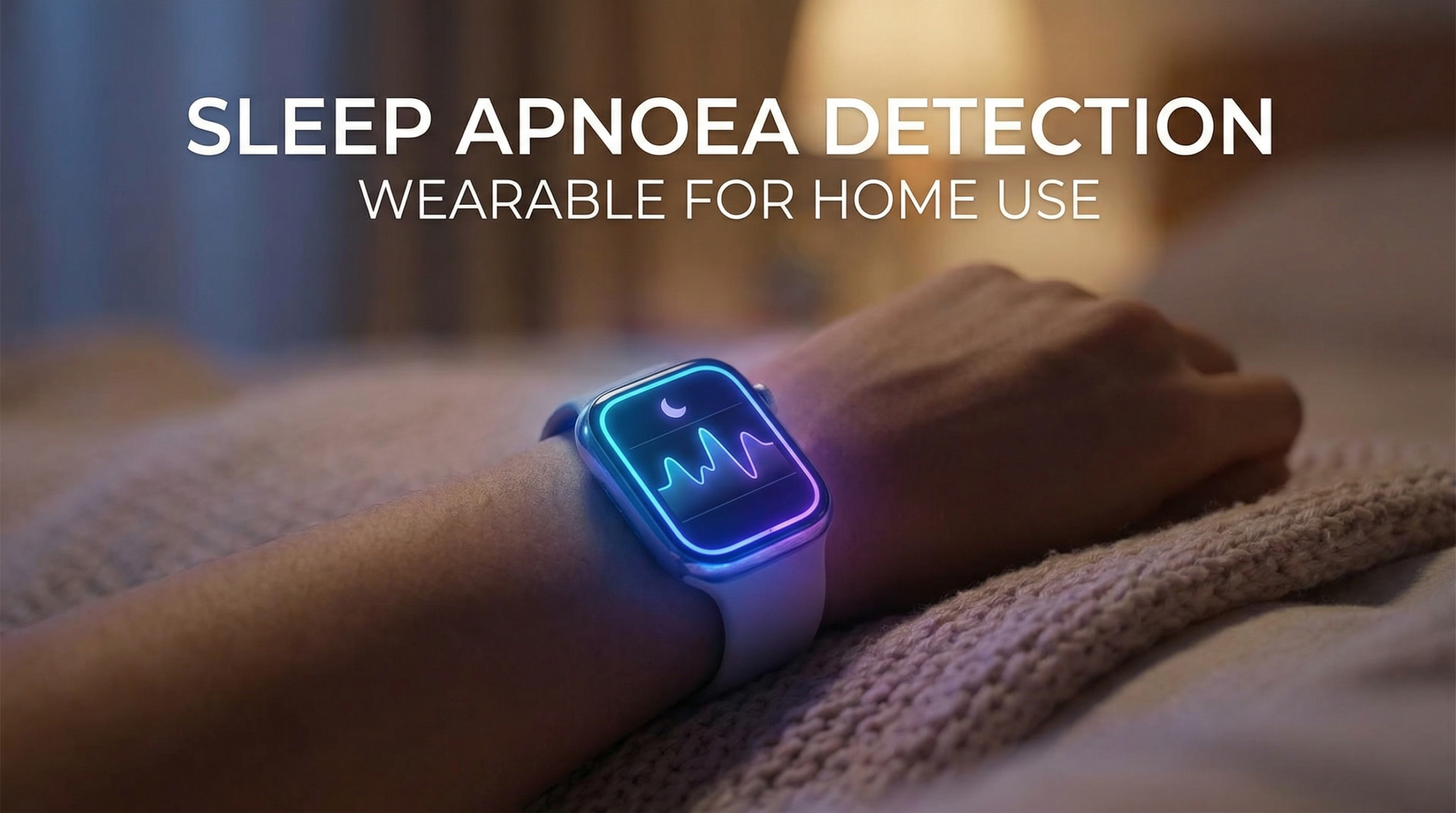
Welcome to Vertevia and our article titled Sleep Apnoea Detection Wearable For Home Use. Using a sleep apnoea detection wearable at home feels like a breath of fresh air for anyone worried about their sleep health. These handy devices track your sleep and help spot possible symptoms of sleep apnoea without all the hassle of a lab based sleep study.
If you’ve ever wondered about your breathing at night, or keep waking up feeling tired, checking out the right wearable could really change things for you. Here, I’ll break down what these wearables actually do, why they’re so helpful, and how you can use them in your everyday life.
Understanding Sleep Apnoea and Wearable Tech
Sleep apnoea happens when your breathing repeatedly stops and starts while you’re asleep. This isn’t something to ignore because those pauses can affect oxygen supply, your mood, and even your heart health. Most people find out about sleep apnoea after a sleep study at a clinic, but home based wearables are making things much simpler and more comfortable.
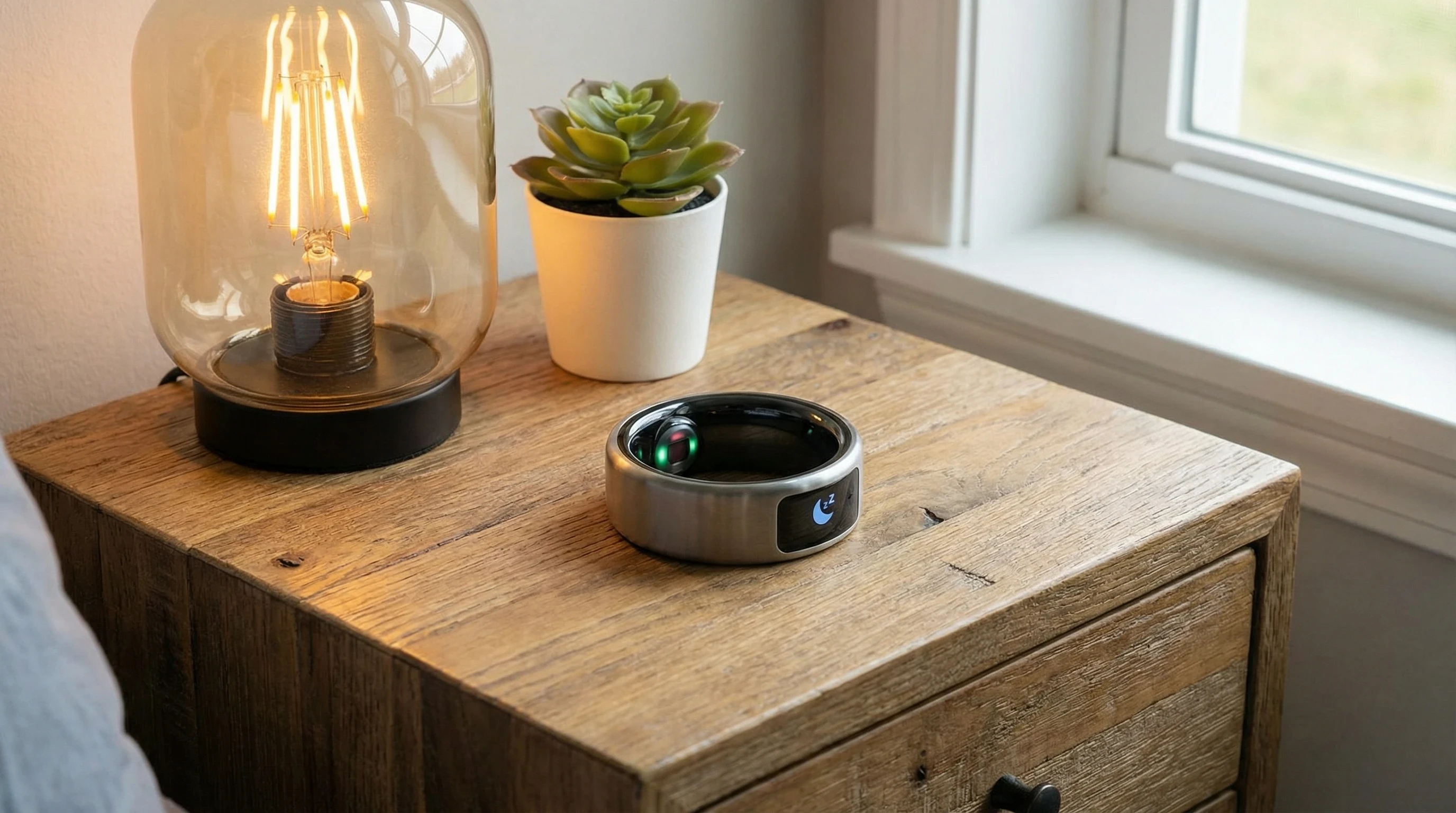
Wearable devices for sleep apnoea take a lot of the stress out of monitoring your sleep patterns. They’re usually small gadgets you wear on your wrist, finger, or around your chest that track vitals and recognize patterns that point to an apnoea event. Many of these wearables use sensors to measure oxygen levels, breathing rate, heart rate, motion, and even snoring. The ease of wearing these on a nightly basis means you can gather data over time, giving you a better look at your sleep health.
Home Based Monitoring vs Traditional Sleep Studies
The classic way to check for sleep apnoea involves an overnight stay in a sleep clinic, hooked up to a bunch of wires and monitors. That kind of testing definitely works, but it’s not exactly comfortable or cheap. For most people, being tested at home feels more natural and is far less intimidating. It also offers privacy and a sense of normality, which can help you get a true reading of your typical sleep patterns.
Sleep apnoea detection wearables for home use let you simply wear a device while you sleep in your own bed, and they automatically record your data. Some send the information straight to your phone, while others upload it for your doctor to review. The advantage is that you get real insight over several nights, not just that one night in a lab, making the data more reliable and relevant.
Most insurance plans still see a lab study as the gold standard for diagnosis, but home wearables are becoming more popular for their convenience, privacy, and lower cost. Plus, you get the bonus of tracking your sleep over weeks or months, which can show trends or recurring problems that a single night might miss.
Popular Features of Sleep Apnoea Detection Wearables
Wearable technology for sleep apnoea has grown a lot in recent years. There are some next-level cool features that make certain devices really stand out:
- Pulse Oximetry: Measures blood oxygen levels. A drop during sleep can signal an apnoea event.
- Breath and Snore Detection: Monitors breathing patterns and picks up on snoring, both of which are big indicators of sleep apnoea.
- Heart Rate Monitoring: Tracks changes in heart rate that often come with disturbed breathing or waking up.
- Motion Sensors: Lets the device know when you’re tossing and turning or waking up frequently, creating a full sleep profile for more thorough understanding.
- Real Time Alerts: Some devices can nudge you (with a gentle vibration) if your oxygen dips too low or your breathing becomes irregular. This instant response can give you or your partner extra peace of mind.
- Long Battery Life: Good wearables last for several nights on a single charge, so you’re not constantly plugging them in. Some even last for entire weeks without charging.
- Syncs With Apps: Many let you check your sleep reports on your smartphone and even share them with your doctor for further insights and advice.
All these features blend together to give you a much clearer picture of what’s happening while you sleep, which really helps when you’re trying to improve your sleep health.
How Home Wearables Help Spot Sleep Apnoea Early
One of the biggest benefits of these devices is that they catch unusual patterns before things get really bad. If you notice any of these warning signs. Loud snoring, choking during sleep, waking up gasping for air, or extreme tiredness during the day, a home based wearable can record each event. The more data you collect, the easier it is for your healthcare provider to see if a proper diagnosis or treatment plan is necessary.
Many people hesitate to seek help for sleep apnoea because they don’t want to handle bulky lab equipment or overnight testing. Wearables help smooth the way. You’ll get a clear sense of what’s going on without ever leaving your bedroom. This comfort makes it much easier to take the next step if something seems off. Early tracking is key to handling sleep issues before they affect your quality of life, and wearables put all the power at your fingertips.
Choosing the Right Sleep Apnoea Detection Wearable
The market is full of options these days, so tracking down the right device can take a little bit of research. Consider these points when picking out your wearable:
- Comfort: Look for something lightweight that won’t annoy you all night.
- Accuracy: Devices tested in clinical trials or with regulatory clearance are the safest bet. Look for independent reviews or approval notes.
- Battery Life: Choose wearables that last long enough for multiple nights to avoid frequent charging interruptions.
- Sync Options: If you want to share your results with your doctor, go for one that offers secure app syncing or cloud upload, which guarantees easy access for both you and healthcare providers.
- Price: Costs can range widely, but you may not need the fanciest model to get useful information. Sometimes a basic tracker does the job just fine.
- Customer Support: Good support and an easy to use app can make a huge difference, especially if you’re not super tech savvy.
Brands like Withings, Fitbit, Oura Ring, and Go2Sleep all offer devices with different strengths. Some focus more on coaching you to better sleep habits, while others zero in on collecting raw medical data for serious tracking. Explore reviews to see what fits your sleep and tech needs best.
Everyday Tips to Get the Most from Your Sleep Apnoea Wearable
- Wear it Consistently: The more nights you track, the clearer the picture of your sleep health. Patterns start to form, making conditions easier to spot and address.
- Charge Ahead: Make sure your device is fully charged so it lasts through the night without quitting on you.
- Sync Data Regularly: Upload your results so you can easily compare nights and spot changes over time. Regular syncing helps avoid missing valuable information.
- Review Trends: Look at your reports for oxygen drops, heart rate spikes, or increased movement. These are clues that you might be dealing with sleep apnoea or other sleep issues that need attention.
- Talk to Your Doctor: Share your findings if anything unusual pops up, especially if the app flags apnoea events. Medical input turns your raw data into useful action.
- Make Healthy Tweaks: Small lifestyle changes like weight management or adjusting your sleeping position can help based on the trends you notice in your reports.
Following these steps helps you get the maximum benefit out of your wearable, so you can start feeling better and more refreshed each morning.
Potential Challenges and How To Handle Them
- False Readings: Movement or poor sensor contact can lead to inaccurate data. Wearing the device snugly without being too tight helps, and taking the time to read the instructions for proper placement is worth it.
- Anxiety Over Results: It’s easy to worry if your wearable flags something, but remember, a wearable can’t diagnose you. It just highlights stuff to discuss with your doctor. Take your results as conversation starters, not final answers.
- Privacy Concerns: Since these devices collect personal health data, check out privacy policies and data protection features before buying.
- Tech Glitches: Sometimes connections drop or apps don’t sync right away. Restarting devices and updating software usually fixes most issues. Support options from the manufacturer can also help you fast track through any problems.
These minor bumps are completely normal, and most users get comfortable with their devices after a few nights. Over time, using a sleep apnoea detection wearable becomes second nature, much like using a fitness tracker or smartwatch.
Common Real World Uses for Sleep Apnoea Wearables
- Spotting New Problems: Many people first stumble upon their sleep apnoea risk through unusual patterns their wearable notices and flags.
- Tracking Treatment Impact: If you use a CPAP machine or take medication, a wearable can help you get a sense of how well it’s actually working. Continuous monitoring is great for fine tuning therapy.
- Building Better Sleep Habits: Noticing trends with bedtime routines, alcohol, or meals can give you a nudge to adjust your lifestyle for better rest. Connecting health with habits helps you make mindful changes.
- Remote Monitoring: Some healthcare providers now use wearable data as part of their telehealth check ups, making follow ups far easier and keeping you in touch with your care team from home.
The main goal is to help you feel rested, alert, and healthy each day, and spotting signs early can make a huge difference in your overall well being.
Key Features!
| Sleep Apnoea Detection Wearable Key Features | |
|---|---|
| Breathing Monitoring | Tracks respiration rate and detects irregular breathing patterns overnight |
| Blood Oxygen Sensor | Continuous SpO2 measurements to identify oxygen drops linked to apnoea events |
| Heart Rate and HRV | Nightly heart rate variability trends to assess recovery and stress |
| Sleep Stage Tracking | Light, deep, and REM sleep analysis with detailed reports |
| Apnoea Risk Alerts | Flags potential breathing disturbances and recommends follow up testing |
| Comfort for Overnight Wear | Lightweight design suitable for all night comfort |
| Battery Life | Multiple nights of tracking on a single charge |
| Mobile App Insights | Detailed sleep scores, trend graphs, and health recommendations |
| Data Sharing | Export reports to share with doctors or sleep specialists |
| Water Resistance | Safe for daily wear including sweat and splashes |
| Best For | Home users wanting convenient early detection and ongoing sleep monitoring |
Q&A: Sleep Apnoea Detection Wearable For Home Use
Q1. How do sleep apnoea detection wearables measure breathing issues?
Answer: Most use a mix of pulse oximetry (for blood oxygen), heart rate tracking, and movement sensors. If your blood oxygen drops while you sleep, it could be a sign of an apnoea episode, and the device notes it in your nightly report.
Q2. Can a wearable point out the warning signs of sleep apnoea, or just alert me to problems?
Answer: Wearables can’t officially diagnose sleep apnoea, but they do spot warning signs so you know when it’s time to ask your doctor for a proper test.
Q3. Is the data from my wearable enough for a doctor to recommend treatment?
Answer: Doctors often use wearable data as extra evidence, but a clinical sleep test might still be needed for a formal diagnosis. Wearables help start the conversation and track changes over time.
Q4. How accurate are home sleep trackers for sleep apnoea?
Answer: Some wearables have pretty high accuracy, especially those backed by clinical data, but none match a full lab study. Using them with doctor advice gives you the best of both worlds.
Q5. Will wearing the device affect my sleep?
Answer: Most people get used to the wearable after a couple of nights. Go for a lightweight design that feels comfortable, and you’ll probably forget you’re even wearing it.
Q6. What do I do if my wearable says I might have sleep apnoea?
Answer: Bring your results to your doctor. They may suggest a clinical sleep study for full diagnosis, and then discuss treatment if needed.
Q7. Do I need to pay a subscription to use these devices?
Answer: Some wearables have a one time purchase, while others offer app features or data syncing for a monthly or yearly fee. Check before buying so there aren’t any surprises.
Q8. Are any sleep apnoea detection wearables covered by insurance?
Answer: A few medically certified devices might qualify for insurance coverage, but most consumer trackers are out of pocket. It’s worth checking with your provider to see if any options are covered.
Summary
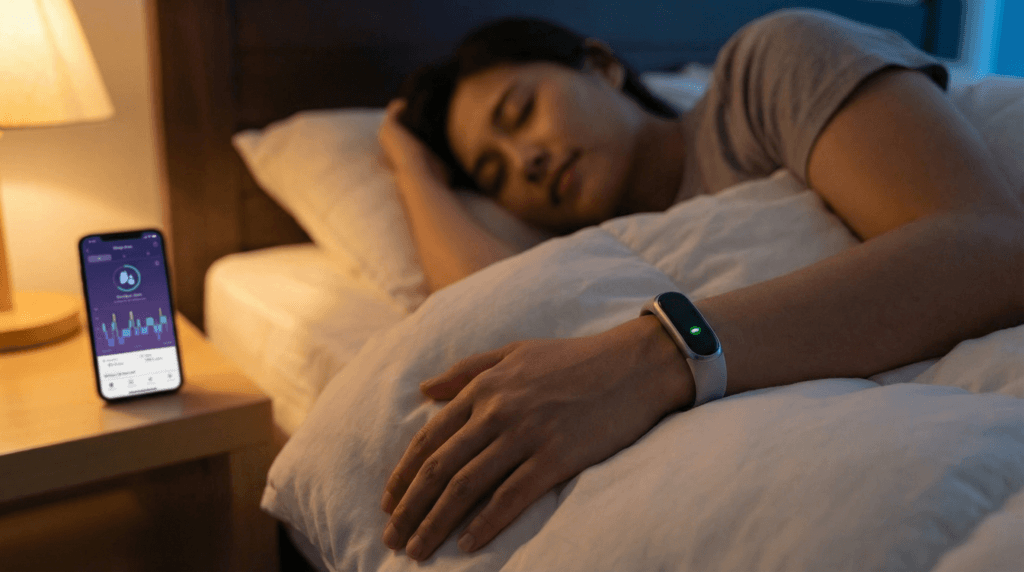
Using a sleep apnoea detection wearable at home gives you new tools to monitor your sleep, track down changes in your health, and make key adjustments before problems get worse. By staying comfortable, syncing your data, and talking with your doctor about the results, you gain valuable peace of mind and a better shot at a good night’s sleep.
Whether you want to track your sleep for the first time or make sure your treatment is giving you results, these wearables have made it much easier to take charge of your own sleep health. With the right device and a little consistency, you’re putting yourself on the path to feeling rested and ready for the day ahead.
Thankyou so much for reading this article on Sleep Apnoea Detection Wearable For Home Use. By reading, it really does help the website to grow. If you would like some extra reading on sleep issues, take a look at these interesting articles:
Best 6 Wearables For Sleep Apnoea – Top 4 Sleep Monitors For Seniors
5 Smartwatches That Track Sleep Stages – Apple Watch Vs Oura: Top Choice For Sleep Monitoring
Please let us know in the comments which brand and type of sleep monitoring device you are currently using or plan to buy in the future!
**Here is a bit of transparency. Our website www.vertevia.com does contain affiliate links and Amazon links. So, if you did make a purchase through the website, we may receive a small commission. This is at no extra cost to you whatsoever. It’s just a way for you to support us as we continue to bring you top quality content**
All the best!
Eamon