

Wearable Health Tracking For Cancer Patients? Wearable health tracking has changed a lot about how we approach wellness, and it’s proving to be especially useful for people with special health needs, like those dealing with cancer. These days, more and more cancer patients use smartwatches, biosensors, or simple fitness bands to keep tabs on everything from their heart rate and sleep to medication reminders.
The big idea here is not just about numbers. It’s about smoothing out daily life and giving patients and care givers tools to spot changes sooner, react faster, and feel a little more in control.
Why Wearable Health Tracking for Cancer Patients Matters
Treatment for cancer often involves managing side effects, juggling multiple medications, and watching for any signs that something’s off. Wearable devices help by collecting data in real time, letting patients and their care teams track down trends or shifts that might go unnoticed. I’ve seen these tools really help folks stay in tune with how their body’s doing day to day, which can make those “is this normal?” moments less overwhelming and cut down on unnecessary worry.
Remote patient monitoring using wearables is also taking off in hospitals and cancer centres. Instead of waiting for the next appointment, patients can send health updates straight to their care team. This setup helps doctors tweak treatments or give advice quickly. Plus, a sense of being looked after, even from home, can give peace of mind to patients and their families.
Popular Types of Wearable Health Tech for Cancer Patients
Not every wearable is right for every person, but several kinds tend to be especially helpful for people with cancer. Here are some options I often recommend checking out:
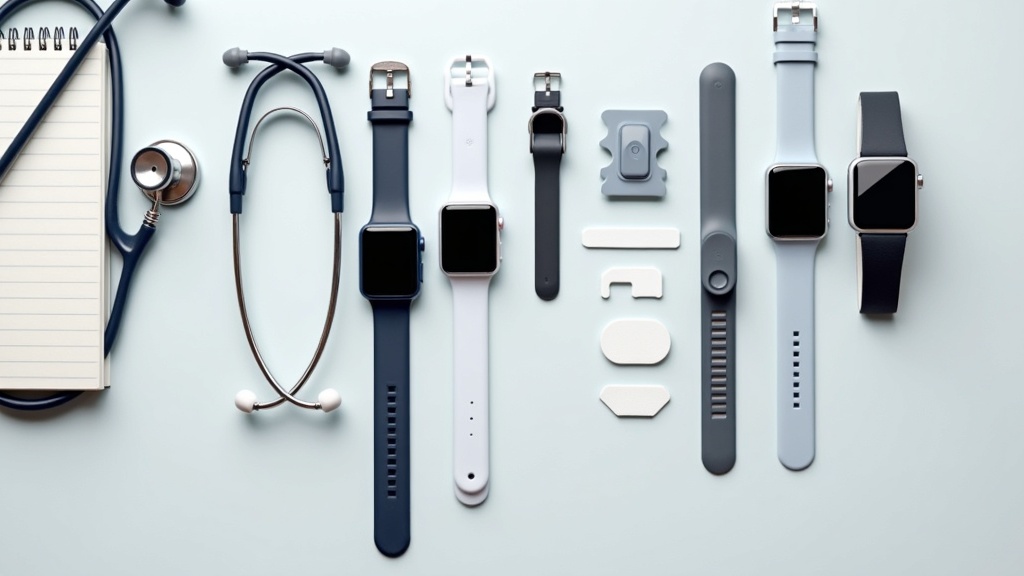
- Smartwatches and Fitness Bands: These track heart rate, steps, sleep quality, and stress. Some alert you if your heart rate gets unusually high or low, helpful if you’re managing medication side effects.
- Biosensor Patches: Lightweight patches stick on your skin for a few days and check things like body temperature, motion, or even blood oxygen. Most are comfy enough to wear all day, syncing data to a smartphone app.
- Medication Reminders: Some bands or clips give medication reminders with gentle vibrations or pop up alerts. This helps you keep up with complex routines, especially during chemotherapy.
- Advanced Monitoring Devices: Some clinics offer connected devices that spot things like irregular heartbeat or sudden weight changes. Both signals that can matter a lot during cancer treatment.
Each brings its own perks, but the right choice depends on your comfort level and how much tracking you’d like to manage.
Easy Steps to Start Using Wearable Health Trackers with Cancer Care
Getting started with a wearable might seem a bit daunting, especially if tech isn’t your favourite thing. Thankfully, you don’t need fancy gadgets to get useful info. Here’s how to get into it:
- Pick Your Device: Choose something comfortable that tracks what matters most. Like heart rate, activity, or sleep. Many smartphones already work with most smartwatches and fitness bands right out of the box.
- Set Up the App: Download the app linked to your device and walk through setup. Most apps guide you with easy instructions.
- Link with Your Care Team: If your doctor’s surgery uses remote monitoring, ask about how to share your health data. Many hospitals now have secure portals or offer help setting things up during a visit.
- Track and Share Symptoms: Log symptoms, pain levels, temperature, or medications using your device or app. Making this part of your daily routine helps keep your doctor informed.
- Adjust as You Go: Give it a week or so. If you’re overwhelmed by notifications or dislike the wristband, switch to a different model or dial back alerts. The idea is to make life easier, not harder.
Barriers and Things to Keep in Mind
Wearables aren’t perfect though, so there are a few things to know before you get started. Here are the biggest ones I’ve noticed:
- Battery Life: Charging devices can be a challenge when you’re tired. Look for those with longer battery life or reminders to plug in overnight.
- Data Overload: Too much info can be stressful. Focus only on what your care team suggests and ignore unnecessary metrics.
- Comfort: Skin can get sensitive during cancer care. Try out different straps or non skin contact devices if you have irritation.
- Privacy: Use apps that secure your data. Hospitals should use safe systems for sharing info.
How to Handle Device Notifications
Some wearables send frequent alerts, which can annoy or stress you out. Set custom notification times or “quiet hours” to make the device helpful, not overwhelming. Simple is better! Fewer notifications with more meaning go a long way.
Keeping Information Secure
If privacy matters to you, stick with brands that keep their security updated. Always use strong passwords and share logins only with those you absolutely trust. For extra tips, the FDA has a helpful guide on staying safe when using wearable tech.
Smart Tips That Make Tracking Health Data Work Better
To truly make the most of these gadgets, remember it’s not just about wearing one. From my experience with people going through chemotherapy and recovery, these tips really give your health tracking a boost:
Stick to a Schedule: Track your info at the same time every day. It makes it much easier to spot changes for both you and your doctor.
Share Summaries: Instead of raw data dumps, send summaries or graphs to your care team. Most apps let you share visually, which doctors appreciate.
Use Symptom Diaries: Daily notes about pain, sleep, nausea, or fatigue are easy to log and can reveal useful patterns at appointments. Many wearables come with note taking options, so you don’t have to juggle another notebook.
Update Your Device: Install updates when prompted. Up to date software means more accurate numbers and tighter security for your personal health data.
Real World Examples of Wearable Tech in Cancer Care
I’ve heard inspiring stories from families who put wearables to work during home treatment sessions. One woman who wrote about her experiences, who was living with lymphoma, used her smartwatch to get reminders about drinking water, moving around, and keeping track of her daily steps. These little nudges kept her motivated, and her doctors loved the clear sleep and heart summaries, which helped them tweak medications and manage her fatigue and insomnia.
There’s also the powerful case of a man healing after surgery who wore a biosensor patch to catch early signs of a fever. This is a red flag for infection. When his patch beeped about a rising temperature, he called the clinic early and caught a possible problem before it got serious. Stories like these really drive home how wearable technology isn’t just about stats. It can truly make care safer and less stressful.
6 Frequently Asked Questions
Here’s an easy FAQ if you’re weighing the pros and cons of using a wearable during cancer care:
1.Question: Are wearable devices safe for cancer patients with ports, implants, or sensitive skin?
Answer: Most are safe, but you need to ask your doctor if you have a port, implant, or major skin sensitivities. Sometimes soft straps or devices that don’t touch the skin much are best.
2.Question: What sort of data should I focus on tracking?
Answer: Heart rate, sleep, activity level, and medication reminders are top picks. Depending on your plan, your care team might suggest tracking temperature, weight, or blood oxygen too.
3.Question: How do I share my wearable health data with my doctor?
Answer: Most wearables let you export or share results through an app. Many hospitals have secure portals. Be sure to ask your team for the step by step.
4.Question: Can wearable trackers really help spot serious side effects?
Answer: They’re great for picking up early warning signs, like sudden heart rate changes or a rising temperature. Still, nothing replaces tuning into your feelings and checking with your care team if something feels off.
5.Question: Are there costs or insurance coverage to worry about?
Answer: Basic trackers can cost under £100, while advanced ones might run higher. Some insurance plans or cancer organizations help cover costs, so always check first.
6.Question: What if I’m not comfortable with technology?
Answer: No worries! Start with a basic device and ask friends, family, or clinic staff for help. The aim is to make managing health easier, not more confusing.
Taking Steps Toward Smarter, Simpler Cancer Care
Wearable health tracking gives hands on help to people steering through cancer care. Whether you’re looking for gentle reminders, clear ways to share symptoms, or just more insight into your daily patterns, these devices slip right into your routine. Knowing what to track, how to tweak your setup, and when to reach out to your care team puts you in the driver’s seat, one small, manageable step at a time.
If you want to dig into more details or need a hand picking out a wearable, check out trusted resources like the American Cancer Society or chat with your medical team. They’re usually more than happy to guide you and help tailor your wearable setup to your needs.

Our Thanks!
We would like to express our sincere thanks to you for taking the time to read this article on Wearable Health Tracking For Cancer Patients. We hope that you have found it helpful and we wish you all the very best if you are currently a cancer patient.
We have lots of really helpful and informative articles in our blog. These cover a range of different wearable health tech subjects. You might like to read our related articles which are titled Best Wearable For Diabetes Monitoring, Best 5 Wearables For Hypertension Patients and Best 6 Wearables For Managing Chronic Conditions.
Please let us know in the comments which type of wearable health tech device you are currently using or plan to buy in the future! The comments section is just underneath this article!
**Here is a bit of transparency. Our website www.vertevia.com does contain affiliate links and Amazon links. So, if you did make a purchase through the website, we may receive a small commission. This is at no extra cost to you whatsoever. It’s just a way for you to support us as we continue to bring you top quality content**
All the best!
Eamon