
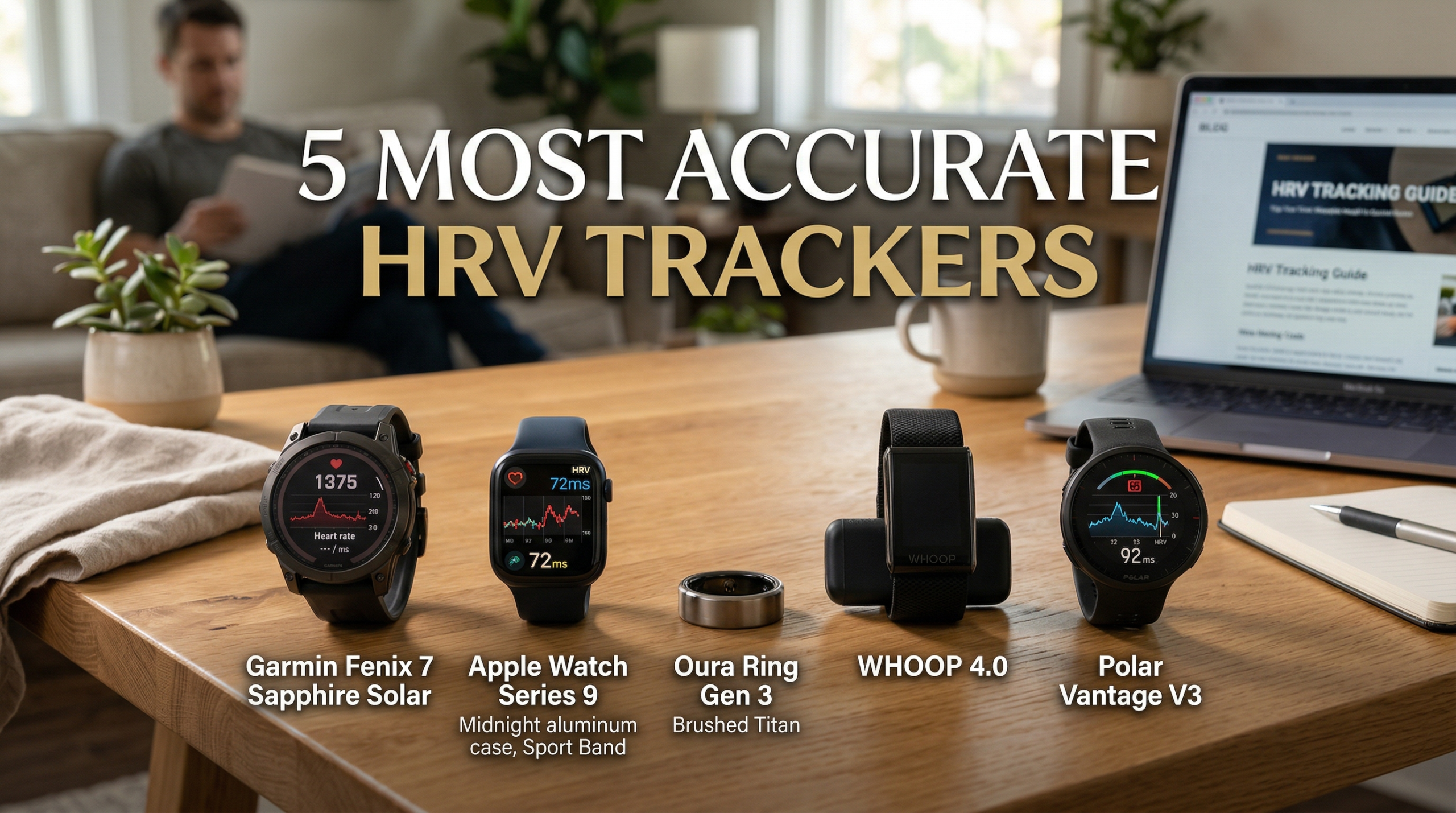
Welcome to our blog post titled 5 Most Accurate HRV Trackers. Tracking your Heart Rate Variability, or HRV, can give you fresh insights into your fitness, recovery, sleep, and even mental well being. HRV is a measure of the tiny changes in time between each heartbeat. The information it provides can be pretty handy if you’re looking to optimize your workouts, monitor stress, or just get a better read on your overall health.
There are a bunch of wearables out there claiming to nail HRV accuracy, but not all are up to the task. Accuracy matters a lot here, especially if you’re using this data to make adjustments in your lifestyle or training plan. I checked out tons of devices and focused on the ones that don’t just get the numbers right, but also keep things easy to use and understand.
Below, we’ll look through the five most accurate HRV trackers available right now. I’ll break down what makes each one special, who might like it most, and a few handy tips for getting the most reliable data from your device. I’ll also answer some of the common questions people ask about HRV trackers, so you’re set up with as much info as possible before picking the right one for you.
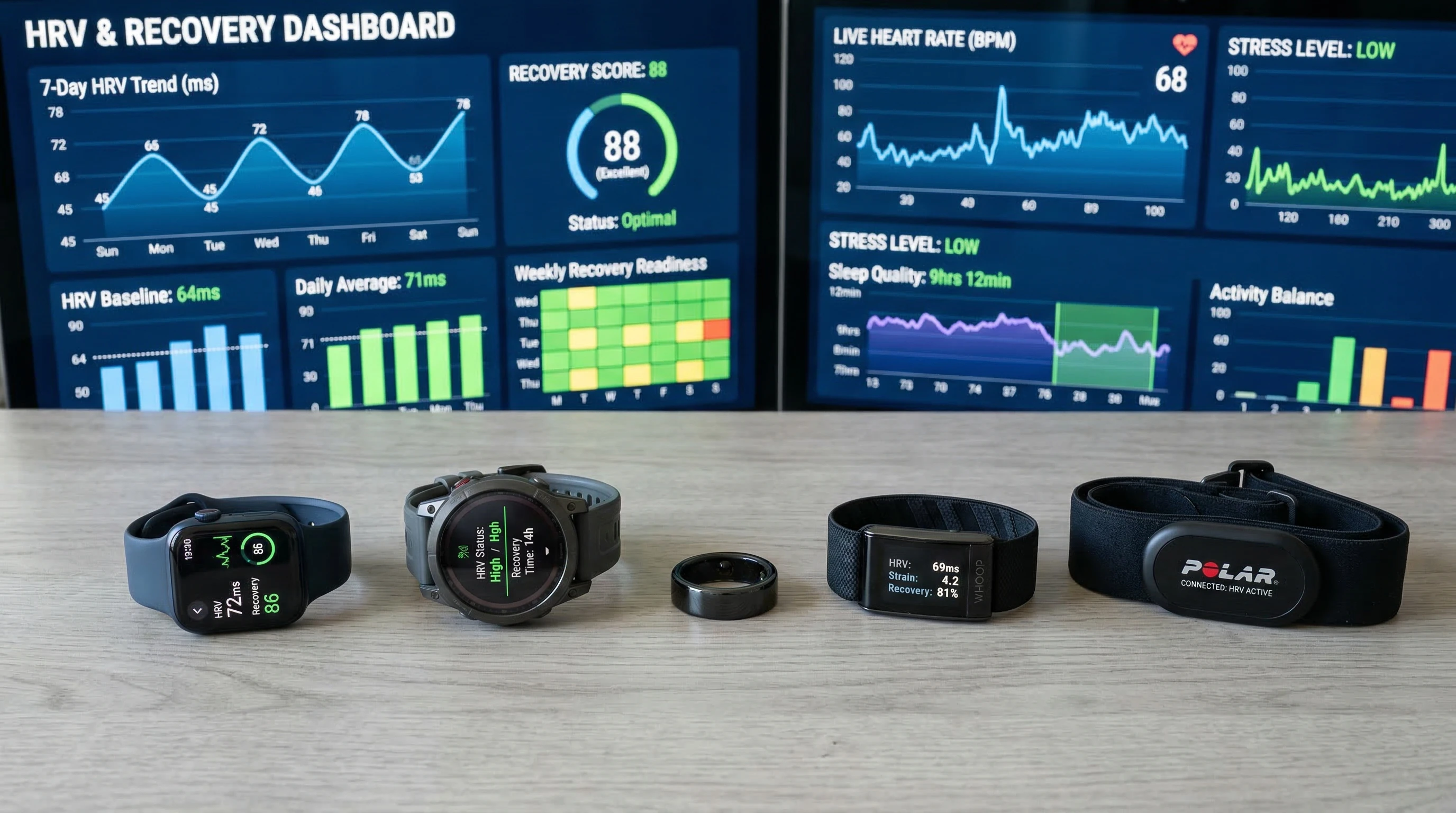
Why HRV Tracking Is Super Important For Health
HRV gives a snapshot of how your body’s autonomic nervous system is functioning. This system is responsible for pretty much everything you don’t have to think about, like digestion, heart rate, and even how you react to stress. When you track HRV, you’re basically getting an early warning system about things like stress overload, lack of recovery, or the possibility of getting sick.
- Fitness Levels: A higher HRV score can mean your body’s in great shape to handle physical activity, while a drop could be a sign that you need to take it easy.
- Sleep Quality: HRV trends help you spot nights of deep sleep versus restless tossing and turning.
- Stress & Mental Health: HRV can give a window into how your body is handling daily mental and emotional stress.
- General Recovery: Learning your personal HRV pattern makes it easier to know when to push or rest.
For anyone who’s focused on optimizing health, HRV tracking isn’t just cool tech. It’s a really practical tool for making better choices every day. Understanding the steady patterns and small changes can guide important health decisions and keep you on top of your well being. For further reading, take a look at this related article Most Accurate Heart Rate Monitor Wearables.
| Tracker | Accuracy | Sensor Type | Best For |
|---|---|---|---|
| Polar H10 Chest Strap | 10/10 | ECG | Clinical-level HRV |
| Oura Ring Gen 3 | 9/10 | PPG (finger) | Sleep & recovery |
| Whoop 4.0 | 8.5/10 | PPG (wrist) | Recovery tracking |
| Garmin Forerunner 955 | 8/10 | PPG (wrist) | Athletes |
| Apple Watch Series 9 | 7.5/10 | PPG + ECG | General health |
How Accurate Is HRV Tracking With Wearables?
Getting reliable HRV data depends a lot on the sensor type, where you wear the device, and even the time of day. Some devices look at HRV while you’re moving throughout the day, but for the best results, readings should be taken while at rest, ideally when you’re sleeping or sitting still.
Chest straps that use ECG (electrocardiogram) tech are generally more accurate than wearables that use PPG (photoplethysmography), which is the light sensor you see in most wrist based trackers. The difference, ECG captures electrical activity, while PPG measures changes in blood flow. Each has its pros and cons, but for top notch accuracy, ECG tends to win out, although there are a few wrist devices that have seriously stepped up their game recently.
Still, accuracy has become much better in today’s generation of smart rings, watches, and fitness trackers. The best devices use advanced algorithms to reduce errors from movement or poor contact, helping everyday users get reliable numbers at home or on the go.
The 5 Most Accurate HRV Trackers
1.WHOOP 4.0
WHOOP 4.0 is built for people obsessed with performance and recovery. It doesn’t have a screen. You wear it like a casual strap, so your data always syncs to your phone for analysis. WHOOP provides detailed HRV readings, especially overnight during your deep sleep when movement and outside factors are least likely to skew the numbers.
Why it’s super accurate: WHOOP uses advanced PPG sensors and constantly calibrates your readings for things like motion and skin temperature. It also prompts you for journal entries about stress, alcohol, and workout details. This helps create super personalized recovery and strain scores.
Best for: Athletes, gym regulars, and anyone who loves geeking out over their own data.
2.Oura Ring Gen 3
The Oura Ring is all about discreet tracking. You wear it like jewellery, but inside it’s packed with sensors that rival some full scale fitness labs. Oura shines for overnight HRV parsing, automatically giving you daily readiness and sleep scores based on precision night time measurement.
-
- Why it’s super accurate: The ring fits snugly on your finger for a reliable pulse point, making HRV tracking less susceptible to external movement artifacts. It favours night time HRV readings, which are less prone to error than readings taken during the day.
- Best for: People who don’t want to wear a watch or strap, especially those focused on sleep, recovery, and general wellness.
3.Polar H10 Chest Strap
The Polar H10 is a gold standard for accuracy. This is an ECG chest strap, so you have to wear it tightly under your shirt, but if you’re after rock solid HRV data, this is hard to beat. The readings are trusted in both research studies and by pro athletes.
-
- Why it’s super accurate: ECG sensors track the actual electrical signals of your heart and aren’t affected by movement in the same way as wrist or finger devices.
- Best for: People who want data that’s trusted by labs, and endurance athletes who want the best HRV guidance for training zones.
4.Apple Watch Series 9
The Series 9 has come a long way with both HR and HRV tracking. Apple’s health algorithms, combined with regular software updates, have turned the Apple Watch into a handy HRV option that’s always on your wrist. It logs HRV via short measurements during the day and detailed tracking when you sleep, all visible in the Health app.
-
- Why it’s super accurate: Improved PPG sensors, plus smart software, offer close to clinical accuracy for most users in everyday use. The ability to track passive and guided HRV readings, such as with the Breathe app, is also pretty convenient.
- Best for: iPhone users who want all in one tracking and easy health metric sharing with their doc or trainer.
5.Garmin Forerunner 955
Garmin watches are legendary for runners and triathletes, but the Forerunner 955 takes HRV tracking seriously too. You get both day and night HRV data, along with a Recovery Advisor and detailed stress tracking. Garmin combines HRV stats with sports specific analytics and sleep reports for a holistic view.
-
- Why it’s super accurate: Consistent sensor upgrades and long battery life make sure your data is always current. It emphasizes resting and overnight HRV for the best snapshot of your body’s state.
- Best for: Multi sport athletes, outdoor adventurers, or anyone who wants deep insights into sport and wellness.
Tips For Getting More Reliable HRV Data
Even the most accurate tracker can give off numbers that don’t match your actual state if you use it wrong. Here are the things I always do to make sure my HRV data is trustworthy:
- Wear the device as directed, and make sure it has a secure fit, especially rings and chest straps.
- Avoid caffeine or alcohol before sleep if possible, since both can mess with HRV readings overnight.
- Try to check your HRV around the same time each day, ideally right after you wake up (before coffee or heavy activity).
- Get into your trends over weeks, instead of stressing out over a single morning’s dip or spike.
- Keep your device charged up and perform regular cleanings to avoid sensor errors. This one is often overlooked, but ensuring direct skin contact and clean sensors leads to more accurate readings.
If you’re consistent, your data will be way more useful, and the patterns become a lot clearer. This makes it easier to use HRV as a real world feedback tool. Top 4 Heart Rate Monitors For Seniors.
Key Features To Look For In HRV Trackers
When friends ask what I recommend for a first HRV tracker, there are a few features I always bring up:
- Sensor Type: ECG is the most precise, but top end PPG sensors on fingers or wrists can come close for general wellness tracking.
- Battery Life: The best device is one you actually wear. Weeklong (or longer) battery means less time charging and more consistent data.
- Data Visualization: Good apps show clear trends and explanations, not just raw numbers. Look for easy to read readiness or recovery scores.
- Third-Party Integration: If you like fitness apps or use a coach, check if your device syncs with other tools you love.
- Comfort: The device should fit your lifestyle. Some folks won’t wear a chest strap every day, others don’t want a watch or ring.
Also, pay attention to community support, firmware updates, and how easy it is to export your data. These can all make a difference for long term use and motivation to keep tracking.
What HRV Tracking Can Help You Achieve
- Spot overtraining and avoid hitting a wall, especially for athletes.
- Manage stress by spotting patterns and learning calming techniques.
- Get personalized recommendations on when to push harder or focus on recovery.
- Take your sleep up a notch by seeing how well you recover each night and making improvements.
- Track progress over time, giving you insight into your health adventure and where things are changing.
HRV tracking works best once you’ve got a baseline established. The value comes as you start to notice what makes your numbers climb or dip, and you can adjust your training, bedtime, or even day to day stress responses based on this. Over time, you can actually see how healthier habits, like better sleep or regular mindfulness exercises, can give your HRV a boost. This feedback loop can make it easier to stick to positive changes.
HRV Accuracy Comparison
Q & A: HRV Tracker Common Questions
Q1.How often should I check my HRV?
Daily readings are ideal, especially first thing in the morning. This is when your body is in its most rested and stable state, and you’ll spot trends quickly. Over time, you’ll see what’s normal for you and what signals a red flag.
Q2.Is HRV tracking only helpful for athletes?
Definitely not. Anyone interested in stress, sleep, or wellness can benefit. It’s useful for managing daily stress, checking in on mental health, and knowing when you might be about to get sick or worn out, even if you’re not an athlete.
Q3.Are there free apps for HRV tracking?
There are apps that record HRV using your phone’s camera or pair with certain devices, but these can be hit or miss with accuracy. For best results, use dedicated wearables from reliable brands.
Q4.Does age affect HRV?
Yes, average HRV usually drops as you age, but what truly matters is your personal trend over time, not a single number. Comparing your own daily, weekly, or monthly averages will tell you if your lifestyle changes are working.
Q5.How much does stress impact HRV?
Chronic or acute stress typically lowers your HRV. Mindfulness, rest, and good sleep help bring it back up. If you notice patterns, like low HRV after busy workdays or poor sleep, it can be a sign to adjust your recovery strategies.
Q6.What’s a good HRV score?
HRV is super personal. Most wearables compare your score to the general population, but the most useful thing is to track your normal range and spot deviations. Sharp drops or new patterns are what to watch for.
Q7.Are chest straps better than wrist trackers for HRV?
For pure accuracy, especially if you need clinically reliable data (like for training or medical reasons), chest straps like the Polar H10 are the gold standard. Wrist, finger, and ring devices have come a long way and work well for most people’s daily tracking, but aren’t quite as clinical grade as ECG straps.
Q8.Can HRV tracking predict illness?
A sudden, unexplained dip in HRV can sometimes show up before you feel symptoms of a cold or infection. It’s not a guaranteed illness predictor, but lots of users report seeing their HRV drop a day or two before getting sick.
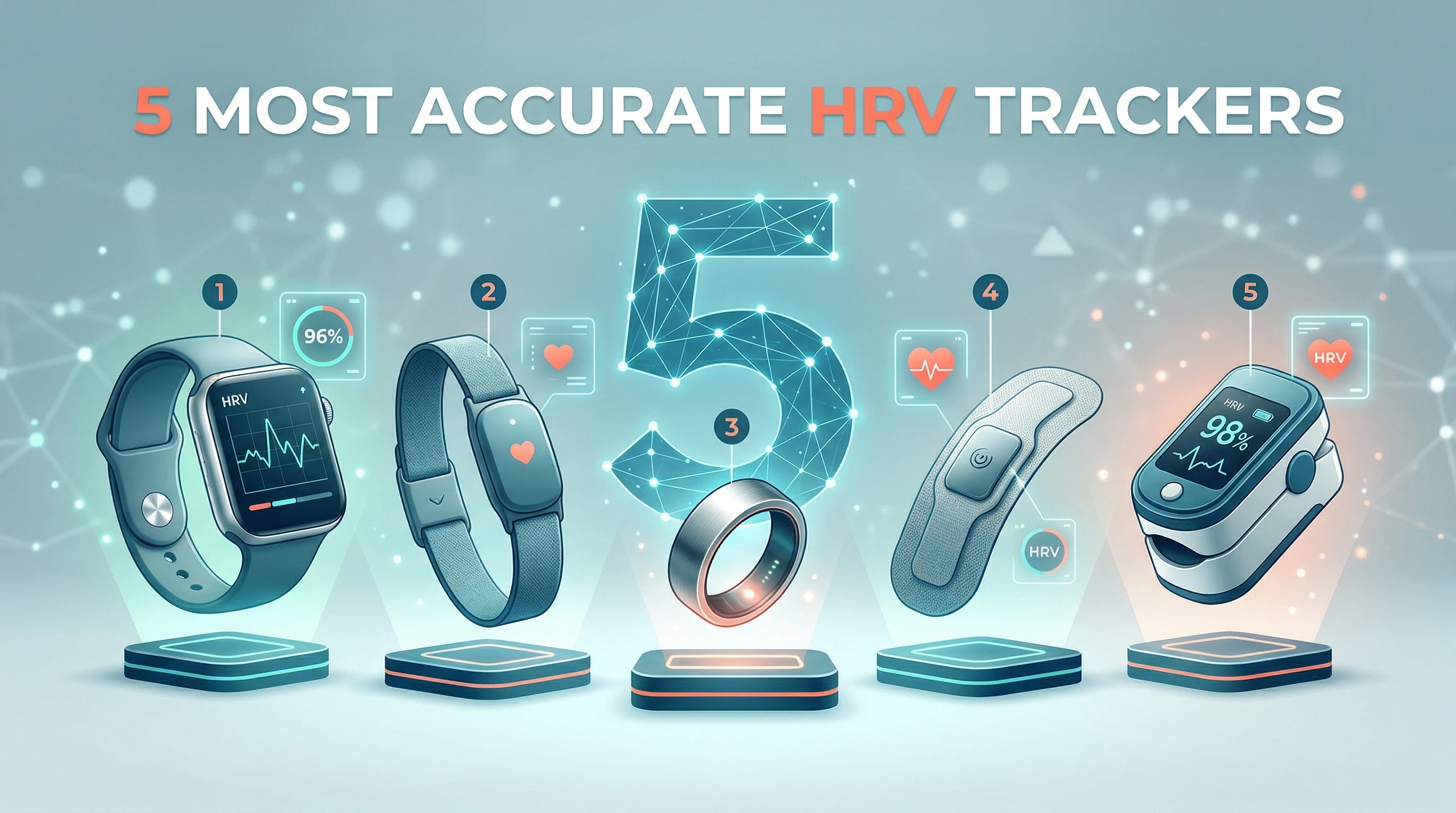
Choosing the Right HRV Tracker For You
Picking the right HRV tracker depends on your lifestyle, what you want to learn, and what you’ll actually keep wearing. If you train hard or want the best precision, look into a chest strap or a high end wearable like Oura or WHOOP. For easy day to day health tracking, something like a smartwatch works great. Long battery life, comfort, and easy to read results are all worth checking out, too.
Whichever you choose, HRV tracking is one of those tech upgrades that can genuinely help you tune in to your body and make smarter health moves. That’s something I think is pretty eye catching. If you’ve got questions or want to share your experience with HRV trackers, drop your thoughts below!
Related Articles
All the best!
Eamon