
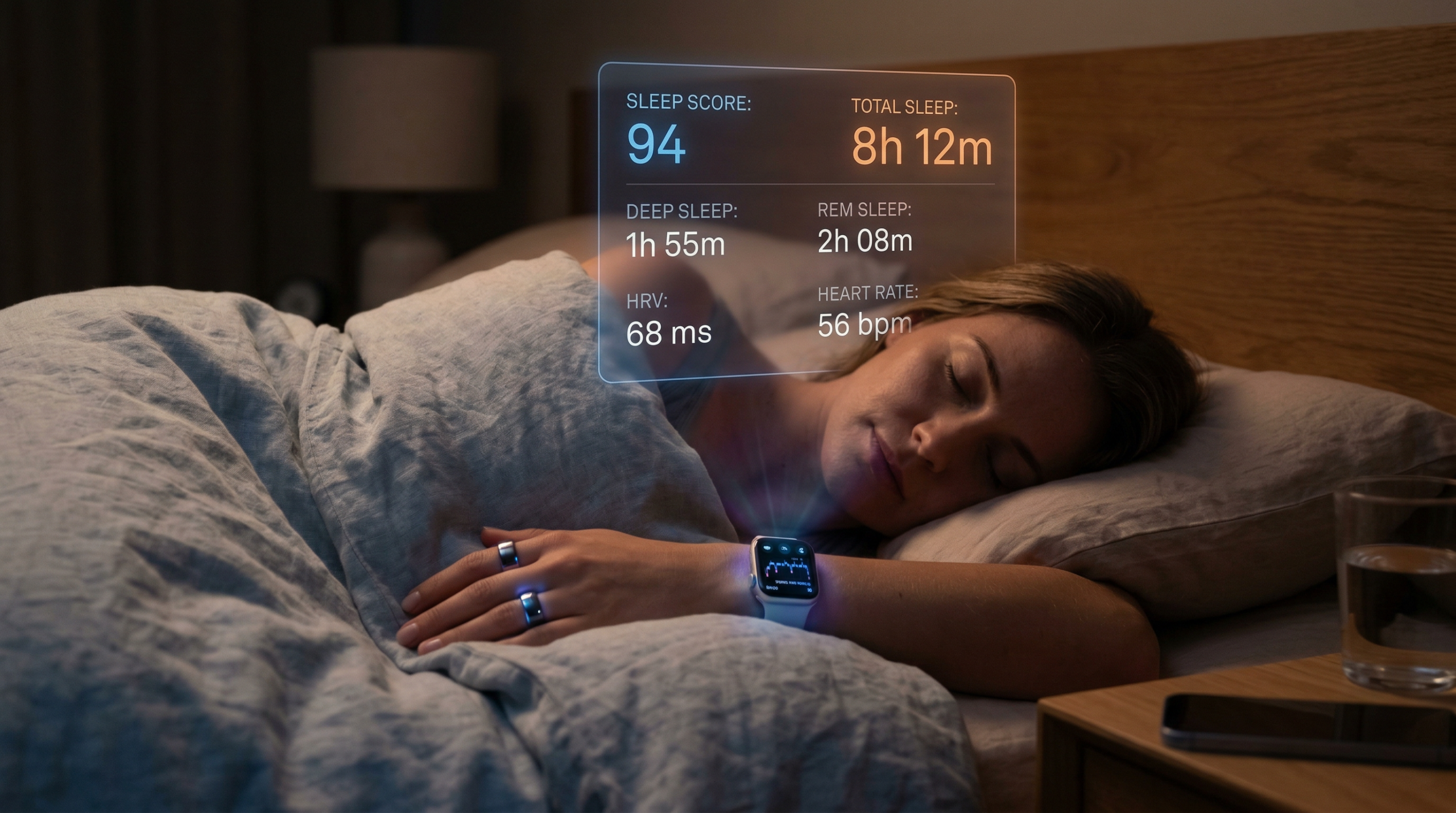
Welcome to Vertevia. This blog is titled Most Accurate Sleep Tracking Wearables. Sleep tracking wearables have changed how people understand their nightly rest. Figuring out how well you actually sleep used to involve complicated equipment or guessing based on how you felt in the morning. These days, technology on your wrist (or even under your mattress) can provide a snapshot of your sleep patterns, the quality of your rest, and suggestions to help you snooze better. If getting the most accurate sleep data sounds helpful for your health goals, picking the right wearable makes a big difference.
What Makes a Sleep Tracking Wearable Accurate?
Accuracy in sleep tracking isn’t just about counting how many hours you spend in bed. The best devices use sensors to collect data on movement, heart rate, skin temperature, and sometimes even your blood oxygen levels. Some wearables use advanced algorithms to figure out when you fall asleep, how long you stay in different sleep stages, and even how often you wake up in the night. In fact, some new trackers can even monitor your breathing patterns, analyse long term trends, and alert you if unusual sleep disturbances occur multiple nights in a row.
Getting reliable results comes from both the quality of the sensors and the software analysing the data. Devices that combine multiple types of readings (not just movement, but also heart rate and body temperature) usually do a better job of telling deep sleep from light sleep or wakefulness. Over the years, studies have shown that these multi sensor approaches deliver sleep reports that line up more closely with the gold standard of sleep studies done in labs. Gadgets that check blood oxygen saturation can pick up on issues like potential sleep apnoea, giving more holistic sleep health insights.
Popular Types of Wearables for Sleep Tracking
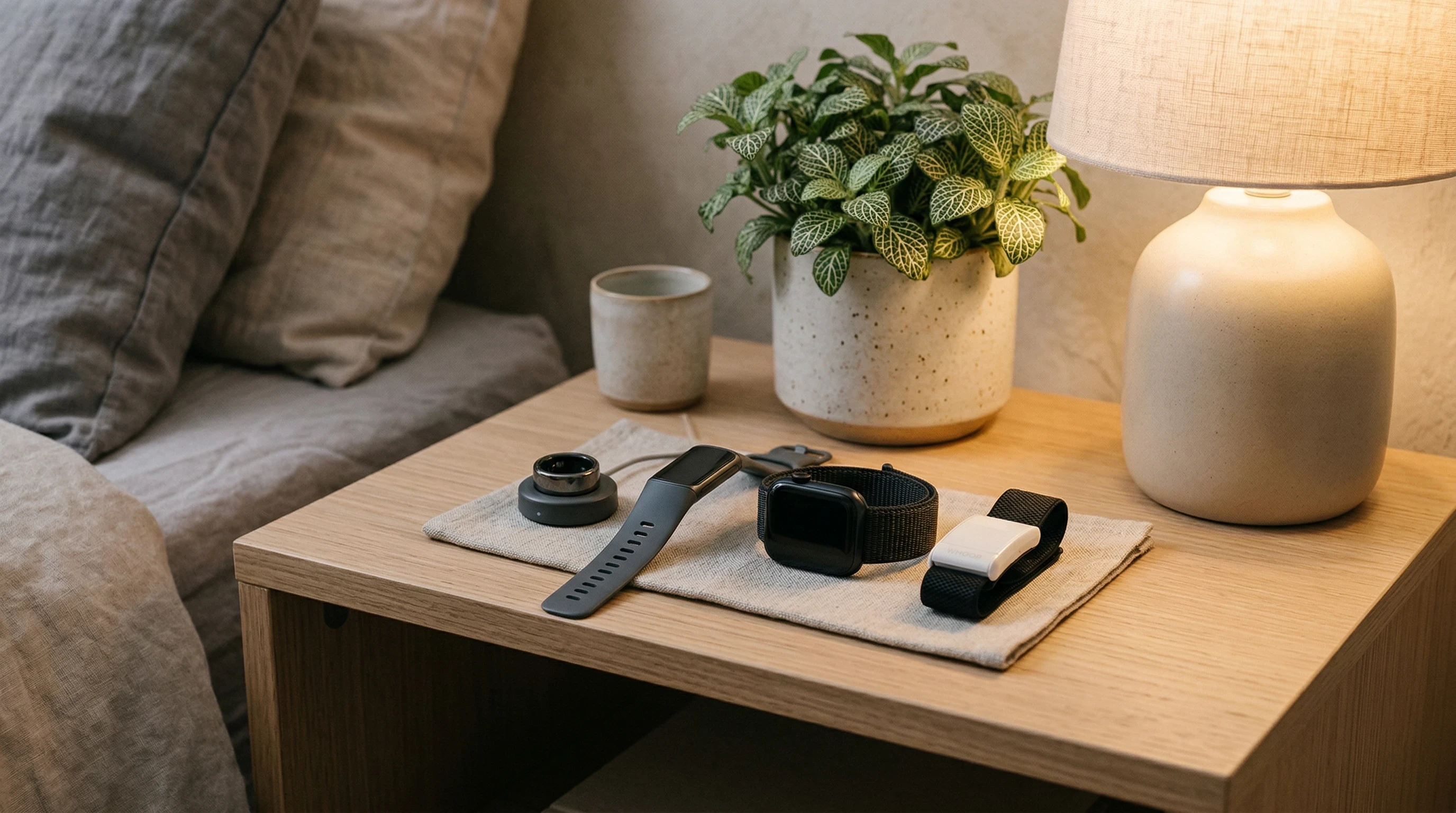
Most people picture wristbands or smartwatches when sleep tracking comes up. These are common, but they’re not the only option. Some devices fit on a finger, slide under a pillow, or go under the mattress. Each type has its strengths and weaknesses, especially when it comes to comfort, ease of use, and detail of the analytics.
- Wrist Worn Trackers: Smartwatches and fitness bands are practical for all day use, offering lots of extra features like step counting or messages, but need to be charged often. Some new wrist worn wearables have improved battery life, making it easier to track both sleep and day activity seamlessly.
- Rings: Sleep tracking rings are less intrusive since they’re so small, and some offer up to a week of battery life on a single charge. They’re especially popular with folks who don’t want to wear a bulky watch overnight, and some models now include haptic alarms that gently wake you up.
- Under Mattress Monitors: These don’t touch the body at all, so if you hate wearing anything while you sleep, this is worth considering. This form factor is ideal for people who toss and turn a lot. The tracker stays in place no matter how much you move.
Top 5 Sleep Tracking Wearables Worth Checking Out
A few devices have built reputations for delivering accurate results and a comfortable experience. I’ve put together the ones people talk about the most, along with the features I think are really important for sleep tracking. If better sleep data is your goal, these picks are pretty handy.
Oura Ring:
This tiny, lightweight ring tracks heart rate, heart rate variability, temperature, movement, and even blood oxygen levels. Oura’s app gives detailed breakdowns of how long you spent in each sleep stage and even gives Readiness and Sleep Scores to help you figure out trends over time. Charging only takes about 20 minutes, and you can go for days without plugging in. People who dislike sleeping with a watch tend to love the comfy design. The Oura Ring also tracks naps automatically, so you get a fuller picture of your rest habits.
Fitbit Sense 2:
This classic wrist worn tracker brings all the benefits of a daily smartwatch. Heart rate, SpO2 monitoring, skin temperature, and reliable sleep stage tracking. Its algorithms have improved over time, giving super detailed sleep graphs and tips for better routines. It syncs with your phone for easy review of the data. Fitbit is known for its community features, including sleep challenges and friendly competitions to boost motivation.
Whoop Strap 4.0:
Used by athletes and health fanatics, the Whoop is all about tracking recovery and strain along with sleep. It gives in depth nightly breakdowns and personalized coaching tips to adjust workouts, sleep schedules, and daily routines. The strap does not have a screen, so it feels just like a cloth bracelet while collecting data around the clock. Subscription based, Whoop’s app focuses on actionable advice based on your overnight results.
Garmin Vivosmart 5:
Garmin packs a lot of features into a slim band, with Pulse Ox (blood oxygen), heart rate, and even body battery calculations. The sleep tracking goes beyond just total time asleep, picking up on how much time you spent restless. This makes it a favorite for value conscious shoppers. Garmin’s ecosystem also makes it easy to combine sleep info with your exercise stats for a fuller health picture.
Withings Sleep Mat:
Instead of wearing anything, this mat slips under your mattress (below your upper body) and picks up on heart rate, movement, snoring, and breathing patterns. It’s ultra discreet and can automatically sync data to the app every morning. The device also gives feedback on potential breathing problems and integrates with smart home routines to automatically adjust lights or alarms based on your sleep patterns.
Sleep Tracking Accuracy Comparison
How Accurate Are Sleep Trackers Really?
Compared to a full overnight sleep study in a lab, no wearable is perfect. In labs, doctors use brainwave sensors and lots of other equipment to precisely record when you enter and leave each sleep stage. Most wearables can get pretty close for total sleep time and major sleep stages, but tracking REM sleep and short night time awakenings still leaves room for improvement. Still, the improvements in recent years have made top tier wearables surprisingly close to clinical accuracy for most everyday use cases. New models continue to reduce the gap by introducing updated sensors and smarter algorithms.
That said, a good quality wearable gives you a clear sense of trends. Are you getting more restful nights, are you waking up more than usual, or is your deep sleep improving after changing your bedtime? For most people, that’s all that’s needed to start building better habits and see when something’s off with their nightly routine. Many users find that wearables help them experiment with lifestyle changes (like earlier bedtimes or less caffeine) and instantly see the effects in their data.
Picking the Right Sleep Tracker for Your Needs
Choosing the best wearable is mostly about matching your needs and habits. Here are some things I always look out for:
- Comfort: If the tracker bothers you at night, you’ll probably give up on wearing it. Slim, lightweight, and soft materials make a difference. Rings and bands have different feels, so check reviews if you’re picky about how things feel while you sleep. Trying on a device before buying can help you pick the most comfortable fit.
- Battery Life: Charging every day can get annoying, especially if you want to track both sleep and daily activity. Some rings and wristbands can go for five or more days between charges. Battery life is more important for those who travel frequently or forget to charge often.
- Data Quality: Look for devices that offer not just total sleep time but also break down light, deep, and REM sleep. Added warmth from temperature tracking, breathing rate, or snore detection gives you even more helpful info. Some wearables now even give you a Sleep Score, which summarizes all your data into a simple, easy to read number you can work with.
- App Experience: A clear, easy to read sleep report with advice is really important. Some apps make it simple to spot patterns and offer practical tips, while others bury insights behind paywalls or confusing menus. Pay attention to how easy the app is to use. Frustrating apps can make you give up on tracking entirely.
- Budget: Price varies a lot. Rings and flagship smartwatches can push past premium prices, but under mattress trackers or basic fitness bands are usually more affordable. Don’t forget to check if an ongoing subscription is needed for app features.
Tips for Improving Sleep Tracking Accuracy
Getting the most out of your tracker takes a little effort. Here are a few quick things that help improve results:
- Wear It Right: A loose band or incorrectly sized ring may give odd data. Make sure your tracker fits snugly based on the manufacturer’s tips. Wearing your tracker consistently also helps build the best sleep history.
- Keep the Device Clean: Sweat and dust can mess with heart rate sensors, especially on wrist worn devices. Wipe it clean every few days. Keeping sensors clean maintains measurement accuracy over time.
- Sync Regularly: Sync your data to the app every morning. This avoids gaps in records and keeps sleep tracking up to speed.
- Update Firmware: Tracker makers often push out updates to improve accuracy and features. Check the app for any updates every so often. Updates may roll out new sleep features or bug fixes.
Common Challenges With Sleep Trackers
No device is perfect, and even the best sleep trackers hiccup once in a while. Here are a few common problems and straightforward ways to iron them out:
- Inaccurate Sleep Detection: If you watch TV in bed or toss and turn a lot, wearables might think you’ve fallen asleep already. Try setting a clear bedtime routine or only put on the tracker when you’re actually trying to sleep. Some apps let you manually edit sleep times to correct mistakes.
- Battery Draining Too Fast: Lots of features and sensors can use up power quickly, so switching off any non necessary readings (like all day exercise tracking) can help extend battery.
- Allergic Reactions: Some wearables use nickel or other materials that bother sensitive skin. Silicone bands or fabric straps are less likely to trigger issues. If you notice redness or irritation, try wearing the device over a thin sleeve overnight.
- Conflicting Reports: If you use several apps or change your wearable brand, results might not line up. Stick with a single device or app for steady, reliable trend tracking over time. Keeping one brand or system helps limit confusion and lets you spot steady trends.
Data Privacy and Trust
Putting sleep data in the hands of an app feels a little personal, and it’s smart to check privacy policies before jumping in. Most popular tracker companies keep data secure and allow you to manage how your records are shared. Check privacy options in the app and only share data with healthcare providers or partners if you’re comfortable. If privacy is a major concern for you, choose brands with strong data encryption and clear privacy policies.
Real World Benefits of Accurate Sleep Tracking
The benefits of reliable sleep tracking go far beyond just bragging about how much deep sleep you got last night. Here’s how tracking sleep accurately can help real people:
- Better Mood: Noticing a link between restless nights and cranky moods or foggy mornings can nudge you to tweak your evening routine. Keeping an eye on these mood patterns can help you make more informed choices about your sleep schedule or stress levels.
- Spotting Changes in Health: Ongoing changes in sleep quality sometimes signal stress, overtraining, or even health problems. Accurate data helps you or your doctor quickly spot these trends and take proactive steps.
- Health Goal Motivation: Watching your sleep score climb after sticking with new habits is genuinely motivating, especially for folks working on fitness or managing stress. Many people use improved sleep scores as a personal challenge, spurring them on to build better routines.
- Personal Insight: Sleep trackers make it easier to spot how late night coffee, heavy meals, or late night screens affect your Z’s. Seeing clear data can inspire healthier habits that last. Hearing the feedback every morning makes improvement feel tangible.
Most Accurate Sleep Tracking Wearables Comparison
Oura Ring
- Sleep Accuracy Advanced sleep stage detection
- Key Sensors HRV, temperature, respiration
- Battery Life 4 to 6 days
- Comfort Ultra lightweight ring design
- Price From $349
RingConn Gen 2 Air
- Sleep Accuracy Highly detailed sleep stage tracking
- Key Sensors Heart rate, HRV, temperature
- Battery Life 5 to 7 days
- Comfort Lightweight ergonomic ring
- Price Around $299
Whoop 4.0
- Sleep Accuracy Clinical grade recovery insights
- Key Sensors HRV, strain, recovery metrics
- Battery Life 4 to 5 days
- Comfort Fabric wrist band
- Price Subscription model
Apple Watch Series
- Sleep Accuracy Good stage detection
- Key Sensors Heart rate, oxygen, temperature
- Battery Life 18 to 36 hours
- Comfort Smartwatch design
- Price From $399
Fitbit Sense 2
- Sleep Accuracy Detailed sleep scoring
- Key Sensors HRV, EDA, oxygen tracking
- Battery Life 6 days
- Comfort Lightweight smartwatch
- Price Around $299
Frequently Asked Questions About Sleep Tracking Wearables
Q1: Will a sleep tracker work if I share a bed?
Yes, most modern devices filter out movement from your partner or pets if worn on your wrist or finger. Under mattress trackers can sometimes pick up mixed signals, but a firm mattress and proper placement usually help limit this issue.
Q2: Can sleep trackers detect sleep disorders?
They can spot patterns or issues like frequent wakeups, snoring, or short sleep time, but they can’t diagnose problems like sleep apnoea. Bring any worrying data to your doctor for a closer look.
Q3: Do I need to wear my tracker every night?
Wearing your tracker consistently makes the reports more accurate and lets you spot patterns over time. Missing a few nights isn’t a big deal, but regular use is better for trending data. Most sleep insights are strongest with steady, long term use.
Summary
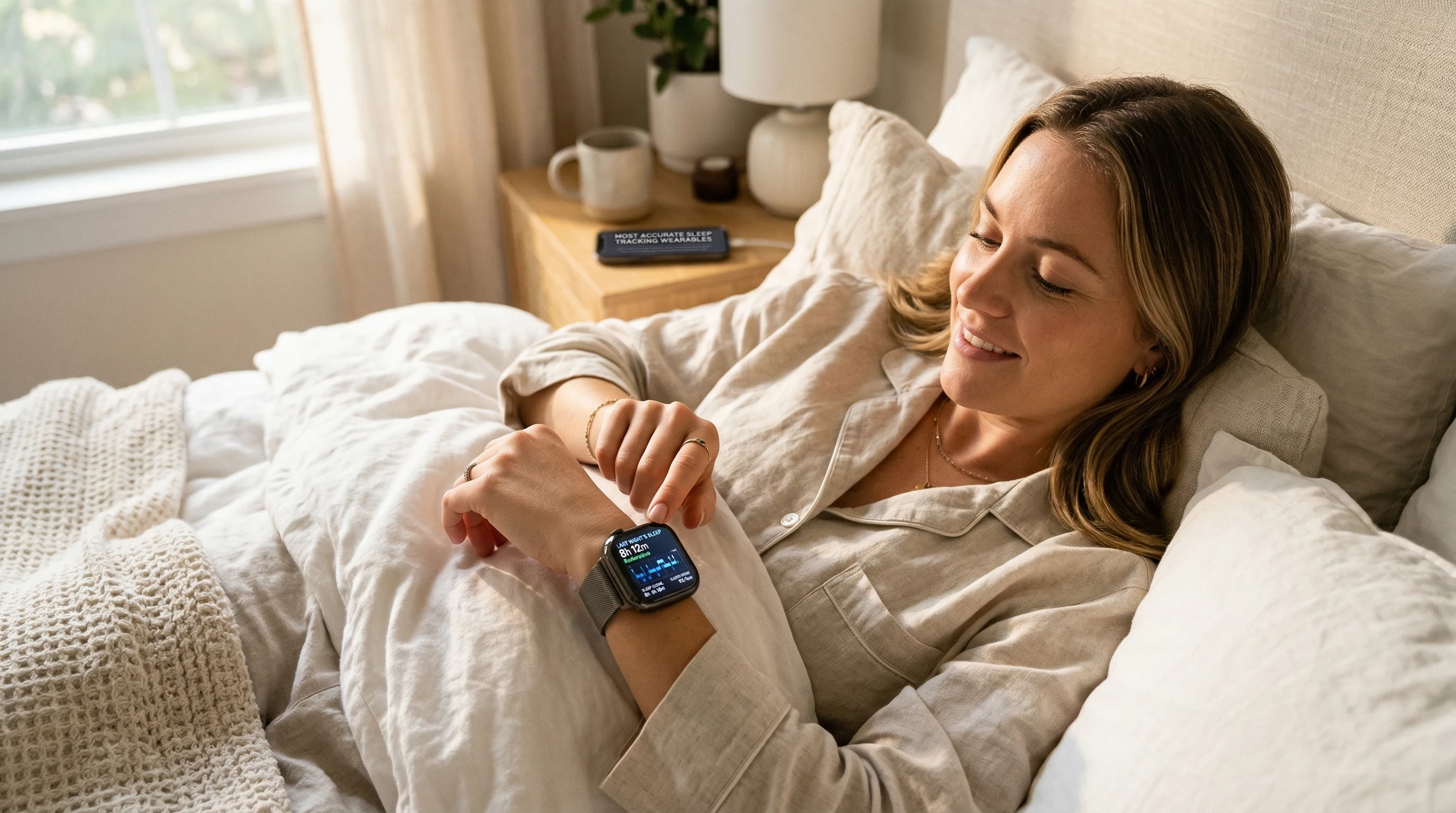
A good sleep tracking wearable turns nights of guesswork into practical, actionable feedback. Picking a comfy, reliable device that fits your routine is the start to better sleep and improved health. From high tech rings to under mattress sensors, these devices keep advancing, bringing new possibilities for understanding and improving your rest. With the right sleep tracker, every night can be a step closer to feeling more refreshed and energized each morning.
Related Sleep Articles
Many Thanks
Many thanks for reading this article Most Accurate Sleep Tracking Wearables. I do hope that it has given you value and the information required to help with your purchase decision. For some extra reading on this topic, take a look at these related articles above:
Please let us know in the comments which brand and type of sleep monitoring device you are currently using or plan to buy in the future!
**Here is a bit of transparency. Our website www.vertevia.com does contain affiliate links and Amazon links. So, if you did make a purchase through the website, we may receive a small commission. This is at no extra cost to you whatsoever. It’s just a way for you to support us as we continue to bring you top quality content**
All the best!
Eamon