

It’s really becoming confusing trying to choose a suitable wearable. Let’s look at the Best Ways To Choose A Wearable For You. Choosing the correct wearable device can feel overwhelming. The modern wearable technology market includes smartwatches, fitness trackers, smart rings, chest straps, and advanced health monitoring devices.
Each category offers different capabilities, price points, data depth, and user experiences. For some individuals, a simple step counter is enough. For others, performance grade cardiovascular tracking is essential.
The best way to choose the correct wearable for you is not by selecting the most expensive model or the one with the longest feature list. It is about aligning the device with your personal health goals, daily routine, fitness level, comfort preferences, and long term lifestyle needs.
This comprehensive guide explores how to evaluate wearable devices intelligently. You will learn about key features, benefits, limitations, ideal user profiles, and important decision making factors. You will also find a detailed pros and cons breakdown, an eight question and answer section, and a complete summary designed to help you make a confident purchase decision.
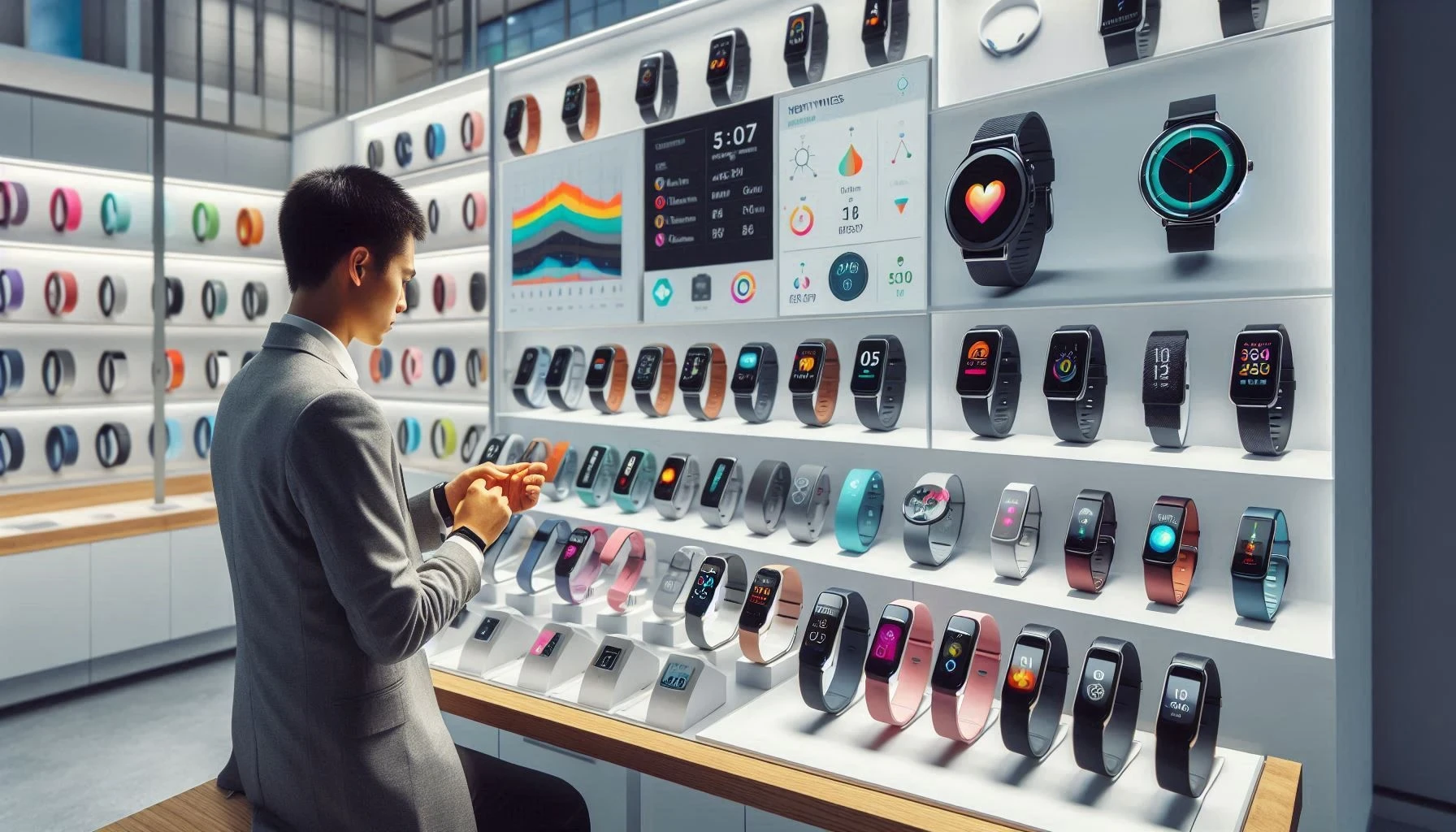
Understanding The Different Types Of Wearables
Before choosing a device, it is essential to understand the primary categories available in the wearable technology space.
Smartwatches
Smartwatches combine fitness tracking with communication and productivity features. They monitor heart rate, steps, calories, sleep, and often include GPS. Many models support notifications, calls, music playback, and app integration.
Examples include the Apple Watch Series 9 and the Samsung Galaxy Watch 6.
Smartwatches are ideal for users who want both lifestyle connectivity and health tracking in one device.
Fitness Trackers
Fitness trackers focus primarily on activity tracking. They are typically lighter, more affordable, and offer longer battery life compared to full smartwatches.
A popular example is the Fitbit Charge 6.
These devices are suited for beginners or users who want straightforward tracking without complex features.
Smart Rings
Smart rings provide discreet health monitoring. They focus heavily on sleep tracking, heart rate variability, recovery scoring, and stress analysis.
One well known example is the Oura Ring.
Smart rings are ideal for individuals who prefer subtle wearable designs and prioritize recovery insights.
Chest Straps
Chest straps measure heart rate using electrocardiogram technology. They are highly accurate during workouts.
An example is the Polar H10.
These devices are best for athletes who need precise cardiovascular data during exercise sessions.
Understanding these categories clarifies which direction aligns with your personal goals.
Define Your Primary Goal First
The most important step in choosing the correct wearable is defining your primary goal.
Ask yourself:
- Are you trying to lose weight
- Improve sleep quality
- Train for a marathon
- Reduce stress
- Track overall health metrics
- Improve productivity and stay connected
Each goal requires different data.
If weight loss is your objective, calorie tracking, daily step counts, and heart rate monitoring are essential.
If athletic performance is your priority, GPS accuracy, heart rate zone tracking, and training load metrics become more important.
If recovery and stress management matter most, heart rate variability and sleep analysis should guide your decision.
Clarity about your objective simplifies the selection process significantly.
Key Features To Consider
When comparing wearable devices, focus on features that directly support your goals.
Heart Rate Monitoring
Nearly all modern wearables offer heart rate tracking. However, accuracy levels differ. Optical wrist based sensors are suitable for daily monitoring. Chest straps provide superior workout precision.
GPS Tracking
If you run or cycle outdoors, built in GPS is essential. It allows you to track distance, pace, and route without carrying a phone.
Sleep Tracking
Advanced sleep tracking monitors light sleep, deep sleep, and REM sleep. Devices with temperature and heart rate variability tracking offer deeper recovery insights.
Heart Rate Variability
Heart rate variability provides insight into nervous system balance and recovery readiness. This feature is especially valuable for athletes and high stress professionals.
Battery Life
Battery performance varies widely. Some smartwatches require daily charging, while fitness trackers and rings can last several days.
Choose a battery profile that fits your lifestyle.
Comfort And Design
You must be willing to wear the device consistently. A bulky or uncomfortable wearable reduces long term compliance.
App Ecosystem
The quality of the companion app matters. Clear data visualization, trend analysis, and actionable insights improve usability.
Pros And Cons Of Major Wearable Categories
Smartwatch Pros
- Combines fitness tracking with smart features
- Built in GPS in most models
- Large display for easy viewing
- App integration
Smartwatch Cons
- Shorter battery life
- Can be bulky
- Higher price range
Fitness Tracker Pros
- Lightweight design
- Longer battery life
- More affordable
- Simple user interface
Fitness Tracker Cons
- Limited advanced metrics
- Smaller screen
- Fewer smart features
Smart Ring Pros
- Discreet and stylish
- Strong sleep and recovery tracking
- Comfortable for overnight wear
Smart Ring Cons
- Limited workout tracking
- Smaller battery
- Higher price in some models
Chest Strap Pros
- Highly accurate heart rate
- Ideal for interval training
- Affordable
Chest Strap Cons
- Not suitable for daily wear
- No lifestyle features
- Requires pairing with another device
Understanding these trade offs helps match the device to your expectations.
Who Each Wearable Is Best Suited For
Beginners
Fitness trackers are ideal for beginners who want simple step tracking and basic heart rate data.
Busy Professionals
Smartwatches offer productivity tools, notifications, and health tracking in one device.
Competitive Athletes
Chest straps paired with advanced watches deliver precise performance data.
Wellness Focused Individuals
Smart rings provide continuous recovery insights and sleep optimization.
Weight Loss Seekers
Devices with calorie tracking, heart rate monitoring, and step counting are most helpful.
Matching your identity and lifestyle with the device type ensures better satisfaction.
Budget Considerations
Wearable prices range widely.
Entry level fitness trackers may cost under one hundred dollars.
Premium smartwatches can exceed four hundred dollars.
Smart rings often sit in the mid to high price range.
Chest straps are generally more affordable.
The best approach is to evaluate value rather than price alone. Consider durability, feature relevance, battery longevity, and ecosystem support.
A moderately priced device that aligns perfectly with your needs offers better long term value than an expensive device with unused features.
Data Privacy And Security
Wearables collect sensitive biometric data. Always review data privacy policies.
Ensure the brand uses encrypted data transmission and secure cloud storage.
Consider whether you are comfortable sharing health data within a broader app ecosystem.
Security awareness is a critical but often overlooked aspect of choosing a wearable.
Long Term Sustainability And Updates
Choose a brand known for regular software updates. Firmware improvements enhance accuracy and add features over time.
Durability matters. Water resistance, scratch resistant screens, and strong straps extend device lifespan.
Long term support improves return on investment.
1. Define Your Primary Goal
Why It Matters: Your goal determines the features you actually need.
- Weight loss and calorie tracking
- Performance training and heart rate zones
- Sleep improvement and recovery
- Stress management and wellness
2. Compare Core Features
Key Features To Evaluate:
- Heart rate monitoring accuracy
- Built in GPS capability
- Sleep tracking depth
- Heart rate variability insights
- Water resistance rating
3. Evaluate Comfort And Wearability
Consistency Is Everything:
- Lightweight design
- Comfortable strap or fit
- Suitable for overnight wear
- Breathable materials
4. Consider Battery Life And App Quality
Daily Usability Factors:
- Charging frequency
- Clear data visualisation
- Actionable insights
- Reliable software updates
5. Match Budget To Long Term Value
Think Beyond Price:
- Durability and build quality
- Feature relevance
- Brand reputation
- Data privacy standards
Frequently Asked Questions
Q1. How accurate are wearable heart rate sensors?
Wrist based optical sensors are accurate for steady activity and resting heart rate. During rapid intensity changes, chest straps provide superior precision.
Q2. Do I need built in GPS?
If you exercise outdoors and want accurate distance tracking without carrying your phone, built in GPS is essential. Indoor gym users may not need it.
Q3. Is sleep tracking reliable?
Modern wearables estimate sleep stages using heart rate, movement, and sometimes temperature. While not clinical grade, they provide valuable trend insights.
Q4. Should I choose battery life over features?
Balance is key. A feature rich device with daily charging may be inconvenient. A simpler device with longer battery life may improve consistency.
Q5. Are more metrics always better?
Not necessarily. Too much data can overwhelm users. Choose a device that presents insights clearly.
Q6. Can one device replace all others?
Some advanced smartwatches offer broad functionality. However, specialized devices such as chest straps provide superior workout precision.
Q7. How important is app quality?
Extremely important. The app translates raw data into meaningful insights. Poor app design reduces overall value.
Q8. How do I avoid buyer regret?
Define your goal, set a budget, research features carefully, and prioritize comfort. Avoid impulse purchases based on marketing alone.
Common Mistakes To Avoid
Many consumers buy wearables based on appearance alone. Others choose devices because of social trends rather than personal needs.
Avoid selecting a wearable without understanding its core strengths.
Do not assume the most expensive model is automatically better.
Avoid neglecting comfort and battery life considerations.
Making a rational decision leads to better long term satisfaction.
Creating A Personal Decision Framework
To simplify your choice, follow this structured approach:
- Define your primary goal
- Identify essential features
- Set a realistic budget
- Evaluate comfort and design
- Review app ecosystem
- Compare battery life
- Consider long term durability
- Assess privacy standards
This framework ensures you select a wearable that supports your lifestyle rather than complicates it.
Summary
Choosing the correct wearable requires thoughtful evaluation rather than impulse selection. Smartwatches provide comprehensive lifestyle and fitness tracking. Fitness trackers offer simplicity and extended battery life. Smart rings focus on recovery and sleep optimization. Chest straps deliver superior heart rate accuracy during workouts.
The best wearable for you depends on your goals. If performance training is your priority, precision matters most. If stress management and recovery are central, continuous monitoring is key. If you want balance between productivity and health, a smartwatch may be ideal.
Consider features, comfort, battery life, app quality, budget, and long term support. Avoid being distracted by marketing trends. Focus on what supports your health journey.
A well chosen wearable becomes a powerful tool that enhances awareness, supports progress, and strengthens accountability. The right device is not the one with the most features. It is the one that aligns perfectly with your lifestyle, goals, and commitment to long term wellbeing.
Thankyou
Thankyou for reading this blog article titled Best Ways To Choose The Correct Wearable For You. I hope that it has given you some ideas on how to navigate the vast wearable health tech market. If you would like some extra reading, take a look at these related articles above:
Please let us know in the comments which brand and type of wearable health tech device you are currently using or plan to buy in the future!
**Here is a bit of transparency. Our website www.vertevia.com does contain affiliate links and Amazon links. So, if you did make a purchase through the website, we may receive a small commission. This is at no extra cost to you whatsoever. It’s just a way for you to support us as we continue to bring you top quality content**
All the best!
Eamon